
Introduction
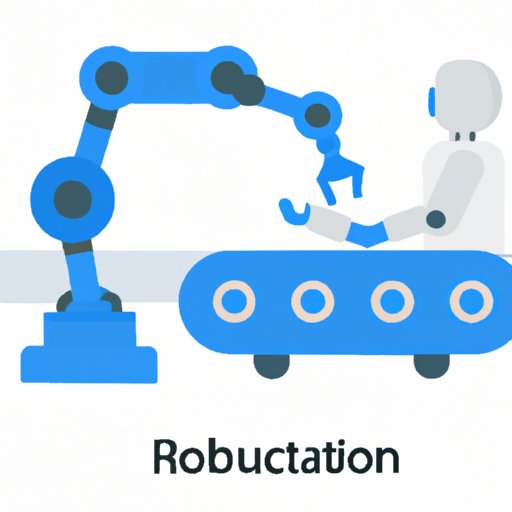
Robotics is a rapidly growing field of technology that has been making its way into many aspects of our lives. Robotics is the science of designing, constructing, and operating robots. Robots are machines that can be programmed to do a variety of tasks, from simple repetitive ones to complex operations. As robots become more advanced, they are increasingly being used to replace human jobs. This article will explore how robotics and automation have replaced jobs and what the consequences of this trend are.
Analyzing the Impact of Robotics on Job Loss: A Case Study
In order to understand the scope of robotics replacing human jobs, it is important to look at examples from specific industries. For example, in the automotive industry, robots are now being used to perform many of the tasks that were once done by humans. According to a study by the Boston Consulting Group, robots are expected to take over as much as 30% of all auto manufacturing jobs by 2025. Additionally, robots are being used in other industries such as food production, healthcare, and even customer service. This trend of robots replacing human jobs is likely to continue, as companies seek to reduce costs and increase efficiency.
The economic consequences of robot job replacements are also significant. The loss of jobs due to robotics often leads to increased unemployment and poverty, which can have a devastating effect on local economies. In addition, robots are not subject to the same labor laws as humans, and they can be operated for long hours without requiring breaks or overtime pay. This can lead to lower wages and less job security for those who remain employed, further exacerbating the economic impact of robotics replacing human jobs.

Exploring the Role of Automation in Reducing Employment Opportunities
It is important to examine why companies choose to use automation when replacing human jobs. Automation can reduce human error and improve accuracy, resulting in higher quality products and services. Additionally, automated systems are often less expensive than hiring human workers, providing cost savings for companies. However, it is important to consider the potential negative impacts of automation on employment opportunities.
Automation can reduce the number of available jobs, as machines replace humans in many tasks. This can lead to increased unemployment, leading to decreased economic activity and decreased purchasing power. Additionally, automation can lead to a decrease in wages and job security, as machines are not subject to the same labor laws as humans. This can lead to a decrease in the standard of living for those who remain employed.
Examining the Benefits and Drawbacks of Replacing People with Robots
When considering the pros and cons of replacing people with robots, it is important to look at both the benefits and drawbacks. On the one hand, automation can reduce human error and improve accuracy, leading to higher quality products and services. Additionally, automation can reduce costs for companies, as machines are often less expensive than human workers. Finally, automation can free up workers to focus on more complex tasks, potentially leading to increased job satisfaction.
On the other hand, there are some drawbacks to automation. As mentioned earlier, automation can lead to job losses, resulting in decreased economic activity and decreased purchasing power. Additionally, automation can lead to a decrease in wages and job security, as machines are not subject to the same labor laws as humans. Finally, automation can lead to a decrease in the standard of living for those who remain employed.

Evaluating the Pros and Cons of Automated Systems Replacing Human Jobs
When considering the pros and cons of automation replacing human jobs, it is important to weigh the advantages and disadvantages. On the one hand, automation can reduce human error and improve accuracy, leading to higher quality products and services. Additionally, automation can reduce costs for companies, as machines are often less expensive than human workers. Finally, automation can free up workers to focus on more complex tasks, potentially leading to increased job satisfaction.
On the other hand, automation can lead to job losses, resulting in decreased economic activity and decreased purchasing power. Additionally, automation can lead to a decrease in wages and job security, as machines are not subject to the same labor laws as humans. Finally, automation can lead to a decrease in the standard of living for those who remain employed.
Overall, the benefits of automation must be weighed against the drawbacks in order to make an informed decision about whether or not to replace people with robots. It is important to consider the impact automation will have on employment opportunities, wages and job security, and the standard of living for those who remain employed.
Investigating the Growing Trend of Roboticization in Today’s Workforce
The increasing trend of roboticization in today’s workforce is undeniable. According to a report from the International Federation of Robotics, the number of industrial robots in operation around the world is expected to double by 2020. This growth is driven by a number of factors, including the development of more sophisticated robots, the need for increased efficiency, and the desire to reduce costs. Furthermore, robots are becoming increasingly capable of performing complex tasks, enabling them to replace humans in a variety of occupations.
The rise of robotics has implications for the future of employment. As robots become more capable and cost-effective, they are likely to replace more and more human jobs. This could lead to increased unemployment and decreased wages, as well as decreased job security for those who remain employed. Additionally, the shift to automation could result in a decrease in the standard of living for those who remain employed.
Conclusion
This article has examined how robotics and automation are replacing human jobs and what the consequences of this trend are. It has looked at the affects of robotics on specific industries, the economic consequences of robot job replacements, the reasons why companies choose automation, and the benefits and drawbacks of replacing people with robots. Additionally, it has investigated the growing trend of roboticization in today’s workforce and the implications of the rise of robotics.
Overall, it is clear that robotics and automation are having a significant impact on job loss and employment opportunities. While automation can reduce costs and improve efficiency, it can also lead to job losses and decreased wages and job security for those who remain employed. Therefore, it is important to consider the pros and cons of automation before implementing it in order to ensure that the benefits outweigh the drawbacks.
(Note: Is this article not meeting your expectations? Do you have knowledge or insights to share? Unlock new opportunities and expand your reach by joining our authors team. Click Registration to join us and share your expertise with our readers.)