
Introduction
When it comes to losing weight, one of the most important factors is understanding how many calories you should be eating each day. Knowing the right number of calories to consume for weight loss can help you create an effective plan that will help you meet your goals. In this article, we will explore how many calories you can eat to lose weight and provide tips to ensure long-term success.
Calculating Your Calorie Needs for Weight Loss
The first step in creating an effective weight loss plan is to calculate your calorie needs. This can be done by estimating your basal metabolic rate (BMR) and activity level. BMR is the number of calories your body needs to function at rest and is determined by your gender, age, height, and weight. To get a general idea of your BMR, you can use an online calculator or speak with a registered dietitian.
Once you have your BMR, you can adjust your calorie intake depending on your activity level. If you are moderately active, multiply your BMR by 1.55; if you are very active, multiply your BMR by 1.725. This will give you an estimate of the total number of calories you need each day. For example, if your BMR is 1500 and you are moderately active, you would need to consume 2250 calories per day to maintain your weight.
To lose weight, you will need to reduce your calorie intake. The amount you should reduce depends on your individual goals and how quickly you want to reach them. Generally, reducing your calorie intake by 500-750 calories per day will result in a healthy weight loss of 1-2 pounds per week. However, it is important to note that this number may vary depending on your current size and activity level.
It is also important to monitor your progress as you make changes to your diet. Tracking your weight regularly can help you determine whether you are consuming the right number of calories for weight loss. If you are not seeing results, you may need to adjust your calorie intake to further reduce your calorie consumption.
Understanding the Role of Macronutrients in Weight Loss
In addition to tracking your calorie intake, it is also important to pay attention to the macronutrients in your diet. Macronutrients include protein, carbohydrates, and fats and all three play an important role in weight loss. Here is a brief overview of the role each macronutrient plays:
Protein
Protein helps build muscle and provides energy. It is also helpful in maintaining a feeling of fullness and preventing hunger. Aim to get 15-25% of your daily calories from protein.
Carbohydrates
Carbohydrates provide energy and are an important source of fiber. Choose complex carbohydrates such as whole grains, fruits, and vegetables, which are higher in fiber and provide more nutrients. Aim to get 45-65% of your daily calories from carbohydrates.
Fats
Fats are an essential part of a healthy diet and provide essential fatty acids. Fats also help absorb vitamins and minerals. Aim to get 20-35% of your daily calories from healthy fats such as olive oil, avocados, nuts, and seeds.
Dietary Strategies to Maximize Weight Loss and Minimize Hunger
In addition to tracking your calorie and macronutrient intake, there are several other dietary strategies you can use to maximize weight loss and minimize hunger. These strategies include increasing your fiber intake, eating more frequently, and replacing refined carbohydrates with whole grains.
The Role of Fiber
Fiber is an important nutrient for weight loss as it helps keep you feeling full and prevents spikes in blood sugar. Aim to get 25-30 grams of fiber per day from sources such as fruits, vegetables, legumes, and whole grains.
Eating More Frequently
Eating smaller meals more frequently throughout the day can help you stay satiated and prevent overeating. Eating every 3-4 hours can also help boost your metabolism and keep your energy levels up.
Replacing Refined Carbohydrates with Whole Grains
Refined carbohydrates such as white bread, white rice, and sugary snacks can cause spikes in blood sugar and leave you feeling hungry soon after eating. Replacing these foods with whole grains such as oats, quinoa, and brown rice can help keep you full for longer and provide more nutrients.
Meal Planning for Maximum Weight Loss
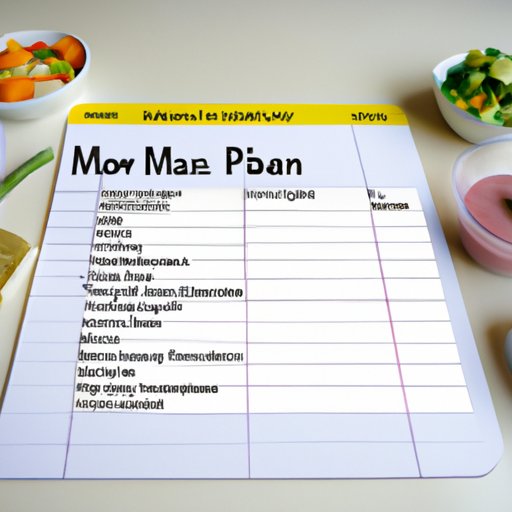
In order to ensure you are getting enough of the right nutrients while still meeting your calorie goals, it is important to plan your meals ahead of time. Meal planning can help you avoid diet traps such as eating out too often or relying on processed foods. Here are some tips to help you get started:
Preparing Meals Ahead of Time
Preparing your meals ahead of time can save you time and money. Try to cook large batches of food so that you have leftovers for the week. You can also freeze meals for later.
Creating Balanced Meals
Creating balanced meals is key to ensuring you are getting enough of the right nutrients. Aim for meals that include lean proteins, complex carbohydrates, and healthy fats. You can also add in fruits and vegetables for extra vitamins and minerals.
Avoiding Diet Traps
It is important to be aware of diet traps such as sugary beverages, processed snacks, and high-calorie treats. These types of foods can sabotage your weight loss efforts and should be avoided as much as possible.
Making Smart Substitutions to Reduce Calories and Still Enjoy Eating
Making smart substitutions can help you reduce your calorie intake without sacrificing flavor. Try swapping high-calorie foods for lower-calorie alternatives and experimenting with different cooking methods. Here are some ideas to get you started:
Swap High-Calorie Foods for Low-Calorie Alternatives
Swapping high-calorie foods for lower-calorie alternatives is a great way to reduce your calorie intake without sacrificing taste. For example, try using Greek yogurt instead of mayonnaise or olive oil instead of butter.
Find Low-Calorie Snack Options
Snacking can be a great way to curb cravings and boost your energy levels. Choose low-calorie snacks such as fruits, vegetables, nuts, and seeds to keep you feeling full without adding extra calories.
Experiment with Lower-Calorie Cooking Methods
Cooking methods such as grilling, baking, and steaming can help reduce the amount of fat and calories in your meals. Experiment with different cooking methods to find ones that work for you.
Conclusion
In conclusion, understanding how many calories you should eat to lose weight is essential for achieving long-term success. Calculating your calorie needs and monitoring your progress is key to creating an effective weight loss plan. Additionally, paying attention to your macronutrient intake and making smart dietary substitutions can help you reduce your calorie intake while still enjoying your meals. By following these tips, you can set yourself up for long-term weight loss success.
(Note: Is this article not meeting your expectations? Do you have knowledge or insights to share? Unlock new opportunities and expand your reach by joining our authors team. Click Registration to join us and share your expertise with our readers.)