
Introduction
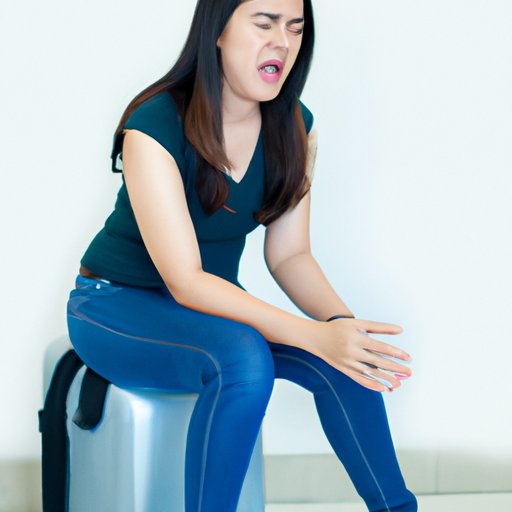
Travel constipation is a common digestive issue that can occur when travelling by car, plane or train. It involves having fewer bowel movements than one normally would, often leading to feelings of bloating and discomfort. In extreme cases, travel constipation can cause abdominal pain and nausea.
At its root, travel constipation is caused by changes in routine, lifestyle, diet and environment. While it is not a serious condition, it can be incredibly uncomfortable and interfere with your vacation plans. Here, we will explore the causes, symptoms and impacts of travel constipation, as well as discuss how you can prevent and treat it.
Exploring the Causes and Symptoms of Travel Constipation
When travelling, many people experience changes in their regular routine which can lead to constipation. Common triggers of travel constipation include changes in diet and activity levels, dehydration, jet lag, lack of sleep and stress. All of these factors can contribute to changes in one’s digestive system, leading to constipation.
Signs and symptoms of travel constipation include difficulty passing stools, hard stools, straining while trying to have a bowel movement, feeling bloated, and abdominal pain or cramping. If you experience any of these symptoms while travelling, it is likely that you are suffering from travel constipation.

How to Prevent Travel Constipation from Ruining Your Trip
The best way to prevent travel constipation is to maintain a healthy diet and lifestyle while on the go. Eating a balanced diet of high-fiber foods such as fruits, vegetables, whole grains and legumes, drinking plenty of water and exercising regularly can help regulate your digestive system and reduce your risk of travel constipation.
It is also important to stay hydrated while travelling. Dehydration can exacerbate constipation, so it is important to drink at least eight glasses of water per day. Additionally, if you are travelling by plane, try to get up and move around every few hours to keep your blood flowing and your digestive system moving.

Diet Tips for Avoiding Travel Constipation
Certain foods can help ease constipation while travelling. Eating foods that are high in fiber, such as beans, nuts, seeds and oats, can help keep your digestive system regular. Additionally, eating probiotic-rich foods such as yogurt and sauerkraut can help promote gut health and relieve constipation. On the other hand, foods that are high in fat, sugar and processed ingredients should be avoided while travelling.
How to Relieve Travel Constipation with Natural Remedies
There are many natural remedies that can be used to ease travel constipation. Herbal teas such as chamomile, peppermint and ginger can help relax the gastrointestinal tract and stimulate digestion. Additionally, prunes are an excellent natural remedy for constipation due to their high fiber and sorbitol content. Other lifestyle modifications that can help ease constipation include getting enough sleep, reducing stress levels and increasing physical activity.

What to Do When Travel Constipation Strikes
In some cases, over-the-counter medications such as laxatives or stool softeners may be necessary to relieve constipation. However, these medications should only be used sparingly and under the guidance of a healthcare professional. Additionally, if constipation persists for more than three days, it is important to seek medical advice.
Understanding How Long Travel Constipation Can Last
The length of time that travel constipation lasts depends on several factors, including the severity of the constipation, the underlying cause, and the type of treatment being used. According to a study published in the Journal of Clinical Gastroenterology, most episodes of travel constipation last between three and five days. In some cases, however, it can last up to two weeks.
If constipation persists for more than two weeks, it is important to seek medical advice. A healthcare professional can provide further guidance on the best course of treatment and help you find relief from travel constipation.
Conclusion
Travel constipation is a common digestive issue that can occur when travelling by car, plane or train. It is caused by changes in routine, lifestyle, diet and environment, and can lead to feelings of bloating and discomfort. Fortunately, there are many ways to prevent and treat the condition, such as maintaining a healthy diet, staying hydrated, exercising regularly, and using natural remedies like herbal teas and prunes. Most episodes of travel constipation last between three and five days, but if it persists for longer than two weeks, it is important to seek medical advice.
(Note: Is this article not meeting your expectations? Do you have knowledge or insights to share? Unlock new opportunities and expand your reach by joining our authors team. Click Registration to join us and share your expertise with our readers.)