
Introduction
Making your own pasta is a rewarding experience. Not only can you control the ingredients that go into it and the flavor, but you also get the satisfaction of creating something from scratch. But how long does it take to make your own pasta? In this article, we’ll explore the steps involved in making homemade pasta, as well as some tips for saving time and making it easier.
Overview of Homemade Pasta and its Benefits
Homemade pasta is made from simple ingredients like flour, eggs, salt, and water. Depending on the type of pasta you’re making, you may also add other ingredients like herbs or cheese. The dough is then rolled out and cut into noodles. This type of pasta is much fresher than store-bought varieties and has a unique flavor and texture. Plus, you can customize the ingredients to suit your tastes and dietary needs.

The Challenges of Making Your Own Pasta
Making your own pasta can be a daunting task, especially if you’ve never done it before. It requires patience and practice to get it right. You also need to have the right tools and ingredients on hand. Overall, the process can take anywhere from 30 minutes to several hours, depending on the recipe and technique.
Step-by-Step Guide to Making Homemade Pasta
Here’s a step-by-step guide to making your own fresh pasta:
Gather Necessary Ingredients
Before you start, gather all the necessary ingredients. This includes flour, eggs, salt, and water (or oil). You may also want to have herbs, spices, and cheese handy for added flavor.
Prepare the Dough
Mix the flour, eggs, salt, and water (or oil) together to form a dough. Knead the dough until it’s smooth and pliable. If the dough is too dry, add a bit more water; if it’s too wet, add a bit more flour. Cover the dough and let it rest for at least 15 minutes.
Roll Out the Dough
Once the dough has rested, roll it out using a rolling pin or a pasta machine. If using a rolling pin, roll the dough into thin sheets. If using a pasta machine, start by setting it to the widest setting. Feed the dough through the machine several times, decreasing the thickness each time. Keep rolling until the desired thickness is achieved.
Cut the Dough into Noodles
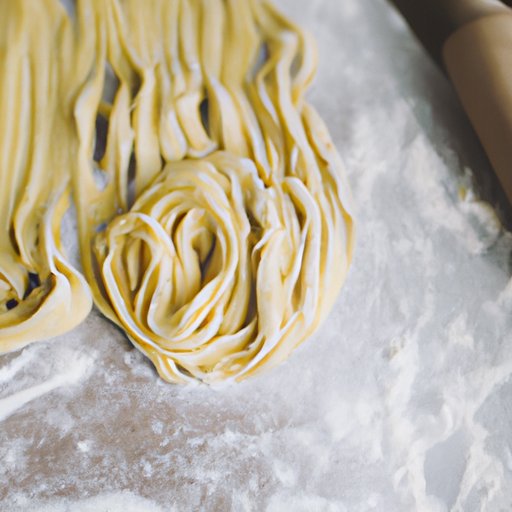
Once the dough is rolled out, you can cut it into noodles. There are several ways to do this. You can use a knife or pizza cutter to cut the dough into strips, use a ravioli stamp to create shapes, or use a pasta wheel to make fettuccine or other noodles. Allow the noodles to dry for 5-10 minutes before cooking.

Time Saving Tips for Making Your Own Pasta
Making your own pasta can be time consuming, but there are some techniques and tools you can use to save time. Here are some tips:
Use a Pasta Machine
Using a pasta machine is one of the easiest and quickest ways to make your own pasta. With a pasta machine, you can quickly roll out the dough and cut it into noodles. Plus, you don’t have to worry about making the dough too thin or too thick.
Pre-Mix Dry Ingredients Ahead of Time
To save time, pre-mix the dry ingredients ahead of time. This way, when you’re ready to make the dough, you just have to mix the wet ingredients and knead the dough. This will help cut down the overall time it takes to make the pasta.
Invest in Quality Tools
Investing in quality tools can save you time and energy. Look for sturdy rolling pins, pasta machines, and cutters that will last. These tools will make the job easier and faster.
How to Make Fresh Pasta in Less Than 30 Minutes
If you’re short on time, you can still make fresh pasta in less than 30 minutes. Here are some tips:
Use Pre-Made Dough
You can buy pre-made dough at most grocery stores. This is a great shortcut if you don’t have time to make the dough from scratch. All you have to do is roll out the dough and cut it into noodles.
Choose Quick-Cooking Varieties
When selecting which type of pasta to make, opt for quick-cooking varieties such as angel hair or capellini. These types of pasta cook quickly, so you can have a fresh meal on the table in no time.
Streamline Preparation Process
Streamline the preparation process by using a pasta machine. This will cut down on the time it takes to roll out the dough and cut it into noodles. It will also ensure that the noodles are of consistent thickness.
A Beginner’s Guide to Making Handmade Pasta
If you’re new to making your own pasta, here are some tips to get you started:
Choose the Right Flour
For best results, use a high-quality, finely milled flour. All-purpose flour works well, but you can also use semolina, durum wheat, or other flours for added flavor and texture.
Test the Dough Consistency
Before rolling out the dough, test the consistency. The dough should be firm but pliable. If it’s too sticky, add more flour; if it’s too dry, add more water. Once the dough is the right consistency, you’re ready to roll.
Get Creative with Shapes
Have fun experimenting with different shapes and sizes. You can use a ravioli stamp to make square or round shapes; use a pasta wheel to make fettuccine, linguine, or other long noodles; or simply cut the dough into strips. The possibilities are endless!
The Art of Making Delicious Homemade Pasta
Making your own pasta is an art. With practice and patience, you can create delicious dishes that will impress your friends and family. Here are some tips for making perfect pasta every time:
Invest in Quality Ingredients
Invest in quality ingredients. Use fresh, organic eggs and high-quality flours. This will ensure that your pasta is flavorful and has a great texture.
Practice Makes Perfect
Making your own pasta takes time and practice. Don’t be discouraged if your first attempt doesn’t turn out perfectly. Keep trying and you’ll eventually get the hang of it.
Add Flavorful Toppings
Don’t forget to add flavorful toppings. A simple sauce of olive oil, garlic, and herbs can transform your pasta dish. Or try adding freshly grated cheese and freshly ground black pepper for extra flavor.

Tips for Making Perfectly Cooked Pasta Every Time
Finally, here are some tips for cooking your pasta perfectly every time:
Monitor Cooking Time
Pay close attention to the cooking time. Each type of pasta has a specific cooking time, so be sure to follow the instructions. Overcooked pasta will be mushy and unappetizing.
Don’t Overcook
Don’t overcook the pasta. When it’s done, the noodles should be al dente (firm but tender). Remove the pasta from the heat immediately and drain it in a colander.
Reserve Some of the Water
Reserve some of the cooking water. This will help create a silky sauce when the pasta is combined with the sauce.
Conclusion
Making your own pasta is a rewarding experience. With the right ingredients and tools, you can create delicious dishes in no time. While it takes some practice to get it right, with patience and dedication, you can master the art of making homemade pasta. Use the tips in this article to help you get started.
For further learning, check out online tutorials, cookbooks, and videos. With practice, you’ll soon be an expert in the art of making homemade pasta.
(Note: Is this article not meeting your expectations? Do you have knowledge or insights to share? Unlock new opportunities and expand your reach by joining our authors team. Click Registration to join us and share your expertise with our readers.)