
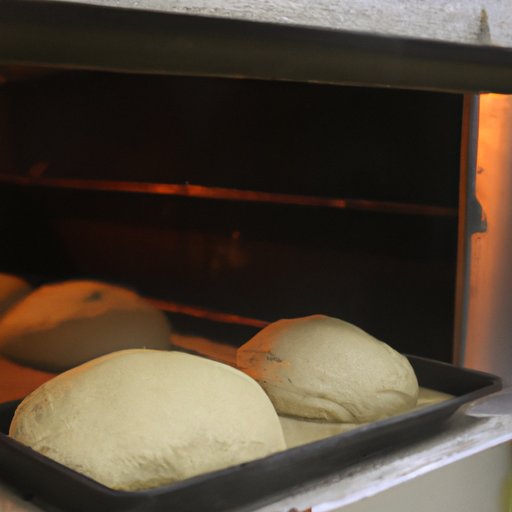
Introduction
Bread is one of the oldest and most beloved foods in the world. Whether it’s a simple sandwich loaf, artisanal sourdough, or a classic French baguette, there’s something special about freshly baked bread. But how long does it take to make bread? The answer depends on a variety of factors, including the type of bread and the recipe used. In this article, we’ll explore the steps involved in making bread from scratch and provide tips to help you save time when baking.
Step-by-Step Guide to Making Bread from Scratch
Making bread from scratch requires more than just mixing flour and water. There are several steps involved in the process, each of which takes a different amount of time. Here’s a step-by-step guide to making bread from scratch:
Preparing the Ingredients
Before you can start kneading the dough, you’ll need to gather all the necessary ingredients. Depending on the type of bread you’re making, this could include flour, yeast, salt, sugar, butter, milk, and other ingredients. This step should take no more than 10 minutes.
Kneading and Shaping
Once you have all the ingredients ready, you can begin kneading the dough. Kneading helps develop the gluten in the flour, which gives the bread its structure and texture. Kneading by hand can take anywhere from 5 to 15 minutes, depending on the recipe. Once the dough has been kneaded, it can then be shaped into the desired form.
Proofing
The next step is proofing, also known as fermentation. This is when the yeast begins to work its magic, breaking down the sugars in the flour and releasing carbon dioxide. This causes the dough to rise and gives the bread its characteristic airy texture. Proofing takes anywhere from 30 minutes to several hours, depending on the recipe and the temperature of the environment.
Baking
After the dough has been proofed, it’s time to bake! Preheat the oven to the desired temperature and place the dough inside. Baking time will depend on the size and shape of the loaf, but generally speaking, a standard loaf of bread should take between 30 and 40 minutes to bake. Once the crust is golden brown and the internal temperature of the loaf has reached 205°F (96°C), it’s done!
How Long Does It Take to Create Perfectly Baked Bread?
As we’ve seen, the process of making bread from scratch involves several steps, each of which takes a different amount of time. But how do you know when the bread is done? The answer lies in understanding the science behind baking time.
Factors That Affect Baking Time
When it comes to baking bread, timing is everything. The duration of the baking process will depend on a number of factors, such as the type of bread, the recipe used, the size of the loaf, the environmental temperature, and the oven temperature. All of these factors can influence the baking time, so it’s important to pay close attention to each step of the process.
Estimating Baking Time
To get an accurate estimation of baking time, it’s best to use a timer. Set the timer for the recommended baking time and check the bread periodically. If the crust is golden brown and the internal temperature of the loaf has reached 205°F (96°C), it’s done! If not, continue baking until the desired result is achieved.

The Art of Slow Bread: Understanding the Science Behind Baking Time
For some bakers, the art of slow bread is the ultimate goal. Slow bread is made with natural leaveners like sourdough starter, and the process takes much longer than traditional methods. The longer fermentation period allows the flavors to develop more fully, resulting in a richer, more complex flavor. But what are the benefits of slow bread?
What is Slow Bread?
Slow bread is any type of bread that is made using natural leaveners, such as sourdough starter. This type of bread requires a longer fermentation period, usually 12 to 24 hours, which allows the flavors to develop more fully. The result is a richer, more complex flavor and a softer, more open crumb.
Benefits of Slow Bread
The benefits of slow bread go beyond flavor. Because the dough ferments for a longer period of time, the gluten molecules become more relaxed, making the bread easier to digest. In addition, the longer fermentation period results in a higher pH level, which means the bread will stay fresh for a longer period of time. Finally, slow bread has a lower glycemic index, meaning it won’t spike your blood sugar as quickly as a traditional loaf.

Timing is Everything: What You Need to Know About Baking Bread
Baking bread is both an art and a science. To ensure success, it’s important to understand the factors that affect baking time. Here are a few tips to help you get the most out of your loaves:
Temperature Control
Temperature control is key when it comes to baking bread. Be sure to preheat the oven before placing the dough inside. Additionally, keep an eye on the temperature of the environment — if it’s too hot or too cold, it can affect the baking time.
Timers
Using a timer is the best way to ensure that your bread is baked to perfection. Set the timer for the recommended baking time and check the bread periodically. If the crust is golden brown and the internal temperature of the loaf has reached 205°F (96°C), it’s done! If not, continue baking until the desired result is achieved.
Get the Most Out of Your Loaves: Tips for Saving Time When Making Bread
Making bread from scratch can be a time-consuming process, but there are a few tricks to help you save time. Here are some tips for getting the most out of your loaves:
Preheat Oven Before Baking
Be sure to preheat the oven before baking. This will help ensure that the bread cooks evenly and that the crust doesn’t burn before the center is cooked through.
Use Yeast To Speed Up the Process
Using instant yeast can help speed up the process. Instant yeast doesn’t require proofing, so you can skip that step and jump right into baking.
Bake in Batches
If you’re baking multiple loaves at once, consider baking them in batches. This will help ensure that all the loaves bake evenly and that they don’t overbake.
Bread Baking Basics: How Long Does it Take?
Now that we’ve gone over the basics of bread-making, let’s look at some common types of bread and their approximate baking times. Keep in mind that these times may vary slightly depending on the recipe and the oven temperature.
Types of Breads and Their Baking Times
- White Sandwich Loaf – 35-40 minutes
- Whole Wheat Sandwich Loaf – 45-50 minutes
- Sourdough Boule – 45-50 minutes
- French Baguette – 20-25 minutes
- Pizza Dough – 25-30 minutes
Common Mistakes to Avoid
When baking bread, it’s important to avoid common mistakes. Here are a few things to keep in mind:
- Don’t overmix the dough — this can cause the bread to become tough and dense.
- Don’t skimp on the proofing time — letting the dough rise for too short a period of time can result in a dense, flat loaf.
- Don’t underbake the bread — the internal temperature of the loaf should reach 205°F (96°C) before it’s done.
From Kneading to Baking: A Timeline of Bread-Making Processes
Now that you have a better understanding of how long it takes to make bread, here’s a timeline of the various processes involved in bread-making:
Preparation
Gather all the necessary ingredients and measure them according to the recipe. This should take no more than 10 minutes.
Kneading
Knead the dough for 5 to 15 minutes, depending on the recipe. This helps develop the gluten in the flour, giving the bread its structure and texture.
Shaping
Shape the dough into the desired form. This can take anywhere from a few minutes to several hours, depending on the type of bread.
Proofing
Let the dough proof for 30 minutes to several hours, depending on the recipe and the temperature of the environment.
Baking
Preheat the oven to the desired temperature and place the dough inside. Bake for 30 to 40 minutes, or until the crust is golden brown and the internal temperature of the loaf has reached 205°F (96°C).
Conclusion
Making bread from scratch is a time-consuming process, but the end result is worth it. By understanding the steps involved in bread-making and knowing how to estimate baking times, you can create perfectly baked loaves every time. From kneading to baking, timing is everything when it comes to bread-making. With a bit of practice and patience, you’ll be a master baker in no time!
(Note: Is this article not meeting your expectations? Do you have knowledge or insights to share? Unlock new opportunities and expand your reach by joining our authors team. Click Registration to join us and share your expertise with our readers.)