
Introduction
Vaccines are biological preparations that help stimulate an individual’s immune system to develop protection against specific diseases. Vaccines are usually administered through injection, although some may be given orally or nasally. Vaccines have been developed to prevent a wide range of infectious diseases, from measles and mumps to hepatitis B and influenza. In this article, we will explore how long it takes to get a vaccine, including the timeline for vaccine production and administration, factors influencing vaccine timeframe, types of vaccines and their effectiveness, potential delays in the vaccination process, variations in vaccine timelines across different countries, and the impact of vaccine speed on public health.
Exploring the Timeline for Vaccine Production and Administration
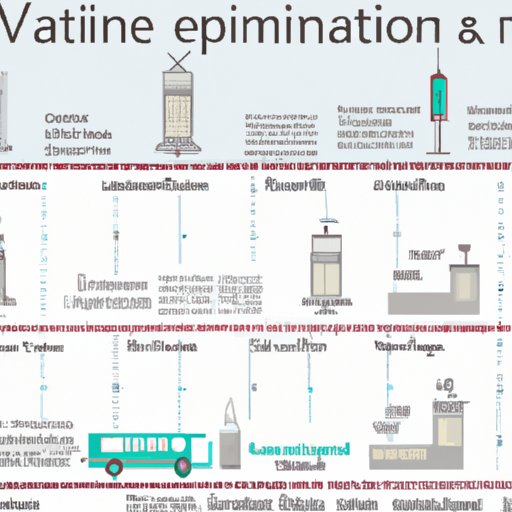
The process of producing and administering a vaccine is complex and time-consuming. The timeline for vaccine development typically starts with research and discovery, followed by clinical trials to test safety and efficacy, manufacturing, regulatory approval, distribution, and finally, immunization.
Overview of Vaccine Production Process
The process of developing a new vaccine typically begins with the identification of a pathogen that can cause disease in humans. Scientists then work to develop a vaccine that will protect against the pathogen. This process involves researching the pathogen’s characteristics, designing a vaccine that will generate an effective immune response, and testing the vaccine’s safety and efficacy in clinical trials. Once the vaccine has been approved by regulatory authorities, it is manufactured and distributed for use in immunization programs.
Factors That Influence Speed of Vaccine Production
The speed at which a vaccine is produced depends on several factors, including the length of the clinical trial, the complexity of the manufacturing process, the time required for regulatory approval, and the availability of distribution networks.
Examining the Factors Influencing Vaccine Timeframe
Clinical Trials
Clinical trials are essential for ensuring the safety and effectiveness of a vaccine. These trials typically involve testing the vaccine in multiple phases over a period of several years. Phase I trials involve testing the vaccine in a small number of volunteers to determine its safety and to assess any adverse effects. Phase II trials involve testing the vaccine in larger groups of volunteers to assess its efficacy. Phase III trials involve testing the vaccine in thousands of volunteers to confirm its safety and efficacy. Depending on the vaccine, these trials may take anywhere from one to five years to complete.
Manufacturing Process
Once a vaccine has been approved for use, it must be manufactured. This process can take several months and requires specialized equipment and facilities. In addition, the vaccine must be tested for quality before it can be released for use.
Regulatory Approval
Before a vaccine can be used in immunization programs, it must be approved by regulatory authorities. This process typically involves reviewing the safety and efficacy data from the clinical trials and assessing the manufacturing process. Depending on the country, this process can take several months or even years.
Distribution Networks
Once a vaccine has been approved and manufactured, it must be distributed to healthcare providers and other immunization sites. This process can be complicated and time-consuming, especially in countries with limited infrastructure.
Investigating How Long It Takes for a Vaccine to Become Effective
The effectiveness of a vaccine depends on several factors, including the type of vaccine and the immunization schedule. Live-attenuated vaccines, such as those for measles, mumps, and rubella, typically provide protection within two weeks of the first dose. Inactivated vaccines, such as those for rabies and polio, usually require multiple doses and may take several weeks or months to become effective. Subunit vaccines, such as those for hepatitis B, typically require three doses and can take up to six months to become fully effective.
Comparing Different Types of Vaccines and Their Timeline
Live-Attenuated Vaccines
Live-attenuated vaccines contain weakened versions of the virus or bacteria they are designed to protect against. These vaccines can provide protection within two weeks of the first dose and typically require only one or two doses for full protection. Examples of live-attenuated vaccines include those for measles, mumps, and rubella.
Inactivated Vaccines
Inactivated vaccines contain dead or inactive versions of the virus or bacteria they are designed to protect against. These vaccines typically require multiple doses and may take several weeks or months to become effective. Examples of inactivated vaccines include those for rabies and polio.
Subunit Vaccines
Subunit vaccines contain only parts of the virus or bacteria they are designed to protect against. These vaccines typically require three doses and can take up to six months to become fully effective. Examples of subunit vaccines include those for hepatitis B and human papillomavirus (HPV).
Identifying Potential Delays in the Vaccination Process
The vaccination process can be delayed due to a variety of factors, including supply chain issues and logistical challenges. Supply chain issues can arise if there is a shortage of raw materials needed to manufacture the vaccine or if the vaccine is not delivered to immunization sites in a timely manner. Logistical challenges can arise if there is a lack of trained personnel or inadequate storage and handling facilities.
Understanding the Variations in Vaccine Timelines Across Different Countries
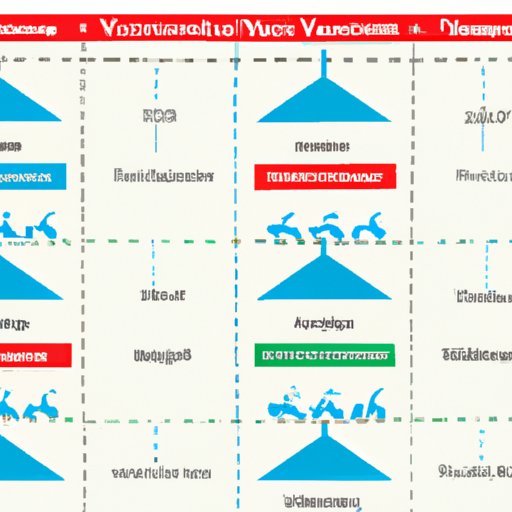
The speed at which a vaccine is produced and administered can vary significantly between countries, depending on the availability of resources and government regulations. For example, countries with well-developed healthcare systems and sufficient resources may be able to produce and administer a vaccine in a matter of months, while countries with underdeveloped healthcare systems and limited resources may take much longer.
Analyzing the Impact of Vaccine Speed on Public Health
The speed at which a vaccine is produced and administered can have a significant impact on public health. Quickly producing and administering a vaccine can reduce the risk of disease spread and enable a timely response to epidemics. On the other hand, delays in the vaccination process can lead to unnecessary suffering and loss of life.
Conclusion
In conclusion, the speed at which a vaccine is produced and administered depends on several factors, including the length of the clinical trials, the complexity of the manufacturing process, the time required for regulatory approval, and the availability of distribution networks. The effectiveness of a vaccine also depends on the type of vaccine and the immunization schedule. Finally, the speed of vaccine production and administration can vary significantly between countries and can have a significant impact on public health.
Summary of Key Points
This article explored how long it takes to get a vaccine, including the timeline for vaccine production and administration, factors influencing vaccine timeframe, types of vaccines and their effectiveness, potential delays in the vaccination process, variations in vaccine timelines across different countries, and the impact of vaccine speed on public health.
Recommendations for Further Action
Further research is needed to better understand the factors influencing vaccine timelines and the impact of vaccine speed on public health. In addition, governments should invest in resources and infrastructure to ensure that vaccines are produced and administered quickly and efficiently.
(Note: Is this article not meeting your expectations? Do you have knowledge or insights to share? Unlock new opportunities and expand your reach by joining our authors team. Click Registration to join us and share your expertise with our readers.)