
Introduction
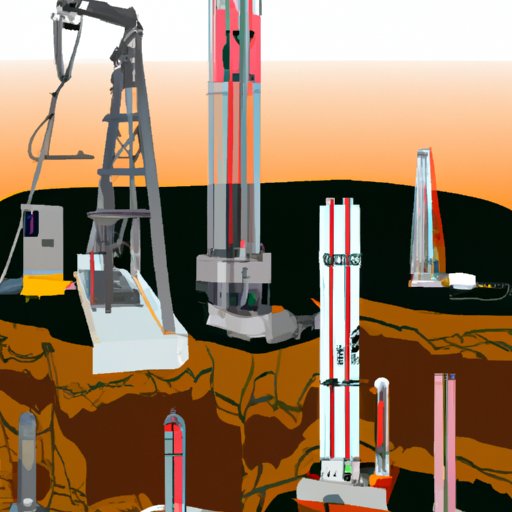
Drilling a well is an important process for accessing groundwater for drinking, irrigation, or energy production. But how long does it take to drill a well? This article will explore the different types of wells and their respective drilling timeframes, examine the factors that impact drilling times, analyze historical data on well drilling times, and investigate the latest technology for quicker well drilling.
Interviewing a Drilling Contractor
The best way to get an accurate estimate for well drilling times is to contact a qualified drilling contractor. Ask questions about their experience with similar projects, their past success rate, the type of equipment they use, and the estimated timeframe for completion. Make sure to also ask for references from previous clients. Resources like the National Ground Water Association (NGWA) can help you find a qualified drilling contractor in your area.
Exploring the Different Types of Wells and their Drilling Timeframes
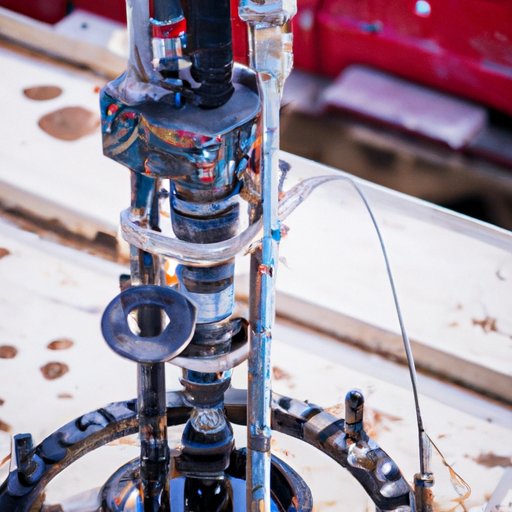
Wells can be divided into four main categories: shallow wells, deep wells, directional wells, and horizontal wells. Each type of well has a different drilling timeframe.
Shallow Wells
Shallow wells are typically drilled to depths of up to 25 feet. With modern drilling methods, these wells can be drilled in as little as one day. However, this timeframe can vary depending on the type of soil, water table depth, and other factors.
Deep Wells
Deep wells are drilled to depths of more than 25 feet. These wells usually require more sophisticated drilling techniques and specialized equipment, and thus tend to take longer to drill. Depending on the complexity of the project, deep wells can take anywhere from a few days to several weeks to drill.
Directional Wells
Directional wells are drilled at an angle, rather than straight down. This type of well can be used to access groundwater in areas where it would otherwise be inaccessible. Directional wells tend to take longer to drill than traditional wells, and can take anywhere from a few days to several weeks to complete.
Horizontal Wells
Horizontal wells are drilled horizontally along an aquifer or underground formation. This type of well is used to maximize the amount of water that can be accessed from a single location. Horizontal wells tend to take the longest to drill and can take anywhere from several weeks to several months to complete.
Examining the Factors that Impact Well Drilling Times
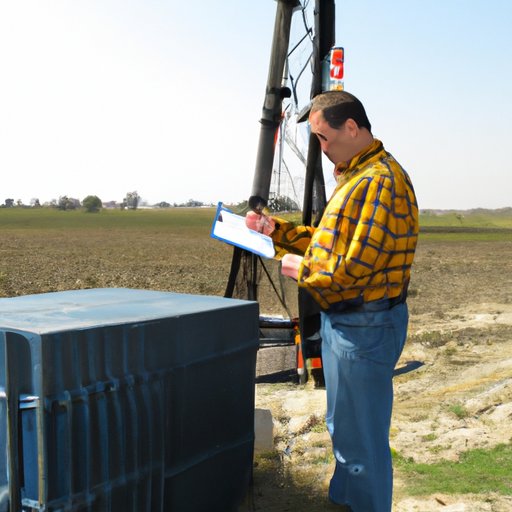
In addition to the type of well being drilled, there are a number of other factors that can affect the drilling time. Some of these include:
Geological Conditions
The geological conditions of the area where the well is being drilled can have a big impact on the drilling time. Harder rocks, such as granite, can take longer to drill through than softer rocks, such as sandstone. The presence of fractures or faults in the rock can also slow down the drilling process.
Weather
Weather conditions can also affect the drilling time. Rainy weather can make it difficult to access the site, while high winds can make it dangerous to operate the drilling equipment. In some cases, drilling may need to be stopped altogether until the weather improves.
Equipment
The type of equipment being used can also have an effect on the drilling time. Older, less efficient equipment can take longer to drill a well than newer, more efficient equipment. Additionally, if the equipment is not properly maintained or operated correctly, it can lead to delays in the drilling process.
Accessibility
The accessibility of the site can also affect the drilling time. If the site is difficult to access, it can take longer to set up the drilling rig and transport the equipment to the site. Additionally, if the area is remote or hard to reach, it can add to the overall drilling time.

Analyzing Historical Data on Well Drilling Times
To better understand the typical drilling times for different types of wells, it’s helpful to look at historical data. Sources such as the US Geological Survey (USGS) and the American Ground Water Trust (AGWT) provide information on the average drilling times for different types of wells. Comparing this data across different types of wells can give you a better understanding of the typical drilling times for each type.
Investigating the Latest Technology for Quicker Well Drilling
In recent years, advances in technology have made it possible to drill wells faster and more efficiently. Automation, robotics, and advanced drilling methods have all been used to reduce the time it takes to drill a well. Automation allows the drilling process to be controlled remotely, while robotics allow for precise control over the drilling process. Advanced drilling methods, such as rotary steerable systems, can also help to speed up the drilling process.
Conclusion
The length of time it takes to drill a well depends on a number of factors, including the type of well being drilled, the geological conditions, weather conditions, equipment, and accessibility of the site. Examining historical data on well drilling times can help you get a better understanding of the typical drilling times for different types of wells. Additionally, the latest technology can be used to speed up the drilling process. By understanding the different types of wells, factors that impact well drilling times, and the latest technology for quicker well drilling, you can get an accurate estimate of how long it will take to drill a well.
(Note: Is this article not meeting your expectations? Do you have knowledge or insights to share? Unlock new opportunities and expand your reach by joining our authors team. Click Registration to join us and share your expertise with our readers.)