
Introduction
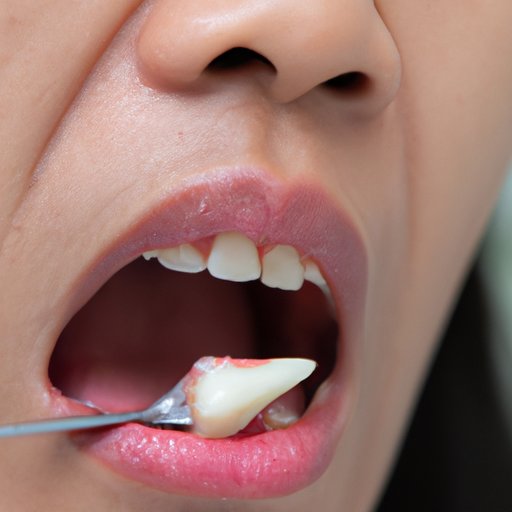
Tooth extraction is the process of removing a tooth from its socket in the jawbone. This type of procedure is usually done when a tooth is too damaged to be repaired or if it is causing overcrowding of the teeth. After having a tooth removed, it is important to follow the dentist’s instructions for recovery to ensure that the wound heals properly.
It is also important to understand the recommended eating habits after tooth extraction. In this article, we will explore what to expect after a tooth extraction, including when you can start eating again and which foods are best for promoting healing. We will also provide tips for managing pain and discomfort after the procedure.
What to Expect After a Tooth Extraction: Eating Habits After Tooth Removal
Immediately following a tooth extraction, your dentist will likely advise you to avoid eating for several hours. This is to give the area time to heal and to reduce the risk of infection. However, once the area has healed, it is important to return to a healthy diet that includes a variety of nutrient-rich foods.
The Best Foods to Eat After a Tooth Extraction
Once you have been given the green light to start eating again, it is important to focus on eating soft foods that are easy to chew and swallow. Some of the best foods to eat after a tooth extraction include:
- Soft fruits and vegetables such as applesauce, mashed potatoes, cooked carrots, and cooked spinach
- Protein-rich foods such as eggs, tofu, fish, and beans
- Dairy products such as yogurt and cottage cheese
- Nut butters
- Soups and stews
- Smoothies
These types of foods are not only easy to chew, but they are also packed with nutrients that can help promote healing. Additionally, your dentist may recommend taking a calcium supplement to help strengthen the bones in your mouth.
Post-Extraction Nutrition: When Can You Start Eating Again?
According to a study published in the Journal of Oral Science, “patients may begin to eat normally 24–48 h after surgery, provided that no postoperative complications occur.” This means that you can typically resume your normal eating habits within 24–48 hours after the procedure, as long as there are no signs of infection. However, it is important to listen to your body and take it slow. If you experience any pain or discomfort after eating, it is best to stop and contact your dentist.
How Long After a Tooth Extraction Can You Eat?
The amount of time it takes to recover from a tooth extraction varies from person to person. However, most people can typically start eating solid foods within 24–48 hours after the procedure, as long as there are no signs of infection. It is important to note that everyone’s recovery process is different, so it is best to listen to your body and take it slow.
Managing Pain and Discomfort After a Tooth Extraction
After a tooth extraction, it is normal to experience some pain and discomfort. To manage this, your dentist may recommend taking over-the-counter pain medications, such as ibuprofen or acetaminophen. Additionally, they may advise you to apply an ice pack to the area to help reduce swelling and pain. It is important to follow your dentist’s instructions for managing pain and discomfort after a tooth extraction.
Tips for Soft Foods After Tooth Extraction
When eating soft foods after a tooth extraction, it is important to cut the food into small pieces to make it easier to chew. Additionally, try to avoid using straws or drinking hot liquids, as these can cause the wound to open and increase the risk of infection. Finally, it is important to drink plenty of water throughout the day to stay hydrated and help flush out any bacteria that may be lingering in the mouth.

Recovering From Tooth Extraction: A Guide to Eating After Your Procedure
It is important to follow your dentist’s instructions for recovering from a tooth extraction. This includes eating the right foods, avoiding certain foods, and managing any pain or discomfort you may experience. Here are some dietary guidelines to help you recover from a tooth extraction:
Foods to Avoid After a Tooth Extraction
It is important to avoid certain foods after a tooth extraction to help promote healing and reduce the risk of infection. These foods include:
- Sticky foods such as peanut butter and gum
- Hard foods such as popcorn, nuts, and chips
- Citrus fruits and juices
- Spicy foods
- Alcoholic beverages
Dietary Guidelines for Healing After a Tooth Extraction
In addition to avoiding certain foods, it is important to follow these dietary guidelines to help promote healing after a tooth extraction:
- Eat a variety of nutrient-rich foods, such as fruits, vegetables, proteins, and dairy products.
- Drink plenty of fluids, such as water, juice, and herbal tea.
- Avoid drinking through a straw, as this can dislodge the clot that forms at the extraction site.
- Avoid eating hard or crunchy foods, as these can irritate the wound.
- Avoid drinking hot liquids, as this can open the wound.
Conclusion
Having a tooth extracted can be a daunting experience. However, it is important to follow your dentist’s instructions for recovery to ensure that the wound heals properly. After a tooth extraction, it is important to focus on eating soft foods that are easy to chew and swallow. Most people can typically start eating solid foods within 24–48 hours after the procedure, as long as there are no signs of infection. Additionally, it is important to avoid certain foods, such as sticky foods, hard foods, citrus fruits, spicy foods, and alcoholic beverages. By following these dietary guidelines and listening to your body, you can ensure that you recover quickly and safely from your tooth extraction.
(Note: Is this article not meeting your expectations? Do you have knowledge or insights to share? Unlock new opportunities and expand your reach by joining our authors team. Click Registration to join us and share your expertise with our readers.)