
Introduction
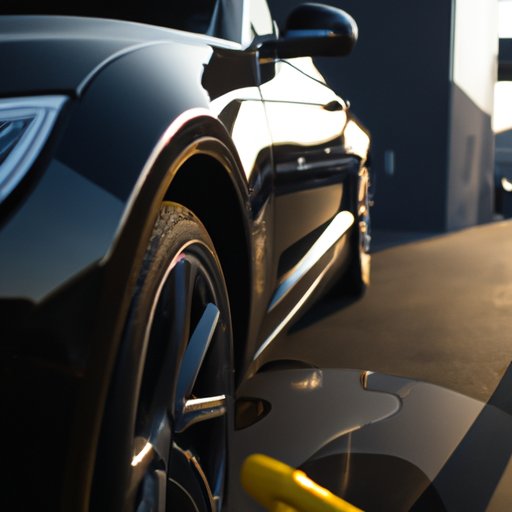
Ceramic coating is an innovative way to protect and enhance the look of your car’s paint job. It’s a popular alternative to waxing, as it provides a much more durable layer of protection that can last up to three years. But in order for the ceramic coating to properly adhere to the surface of your car, you need to wait a certain amount of time before you drive it.
In this article, we will explore the different types of ceramic coatings, how long you should wait after applying them before driving your car, and the advantages of doing so. We will also discuss the do’s and don’ts of driving after ceramic coating, as well as some tips for ensuring your ceramic coating lasts longer.
How Long Should You Wait After Ceramic Coating Before Driving?
The amount of time you should wait after ceramic coating before driving your car depends on the type of coating you have applied. Generally speaking, most coatings require at least 24 hours of curing time before they are ready to be driven on.
For instance, if you have a hydrophobic coating, which is designed to repel water and dirt, you should wait between 30 minutes and several hours until it has cured completely. If you have a self-healing coating, which is designed to repair minor scratches and swirl marks, you should wait between 12 and 24 hours before driving.
There are also other factors that can affect the curing time for ceramic coatings. For example, the temperature and humidity of the environment can influence how quickly the coating cures. If it’s too hot or too humid, the coating may take longer to cure. Similarly, if it’s too cold or dry, the coating may take longer to cure.
What Are the Advantages of Allowing Your Car to Cure After Ceramic Coating?
Waiting for your car to cure after ceramic coating is important for a number of reasons. Firstly, it ensures that the coating adheres properly to the surface of your car, resulting in improved durability of the coating. This means that the coating will be able to better withstand wear and tear, as well as environmental damage.
It also ensures that the coating provides better protection from the elements, such as dirt, mud, salt, and bird droppings. Finally, it helps to enhance the gloss and shine of your car’s paint job, as the coating has had time to fully settle and cure.
The Do’s and Don’ts of Driving After Ceramic Coating
When driving after ceramic coating, there are a few do’s and don’ts you should keep in mind:
Do’s:
- Allow the coating to cure properly before driving.
- Avoid washing your car too soon after application.
- Clean up any spills quickly.
- Park in a garage or covered area when possible.
Don’ts:
- Don’t expose your car to harsh chemicals or abrasive materials.
- Don’t drive it too soon after application.
- Don’t drive it in extreme temperatures.

Tips for Ensuring Your Ceramic Coating Lasts Longer
To ensure that your ceramic coating lasts longer, there are a few things you can do. Firstly, make sure you regularly wax your car to help protect the coating from the elements. Secondly, use the right cleaning products to avoid damaging the coating. Finally, use a car cover or UV protectant film to protect your car from UV rays.
Understanding the Time Frame for Driving After Ceramic Coating
It’s important to understand the time frame for driving after ceramic coating in order to ensure that the coating adheres properly to the surface of your car and provides optimal protection. Different types of ceramic coatings have different curing times, and the curing time can be affected by environmental factors such as temperature and humidity. Additionally, there are a few tips you can follow to ensure that your ceramic coating lasts longer.
Conclusion
In conclusion, ceramic coating is an excellent way to protect and enhance your car’s paint job. It’s important to understand the time frame for driving after ceramic coating, as this will ensure that the coating adheres properly and provides optimal protection. Different types of ceramic coatings have different curing times, and the curing time can be affected by environmental factors such as temperature and humidity. Additionally, there are a few tips you can follow to ensure that your ceramic coating lasts longer.
(Note: Is this article not meeting your expectations? Do you have knowledge or insights to share? Unlock new opportunities and expand your reach by joining our authors team. Click Registration to join us and share your expertise with our readers.)