
Introduction
Ecology and environmental science are two related fields that explore the relationship between living organisms and their environment. Ecology is a branch of biology that studies how organisms interact with each other and their environment, while environmental science is a multidisciplinary field that examines how human activities affect the natural world. Both areas of study are important for understanding how our actions impact the planet and its inhabitants.
Exploring the Relationship between Ecology and Environmental Science
Human activity has drastically changed the Earth’s ecosystems over the past few centuries. As our population grows, so does our need for resources, energy, and land. This has led to deforestation, habitat destruction, and other forms of environmental degradation. The effects of these changes can be seen in the decline of species populations, the spread of invasive species, and the disruption of food webs.
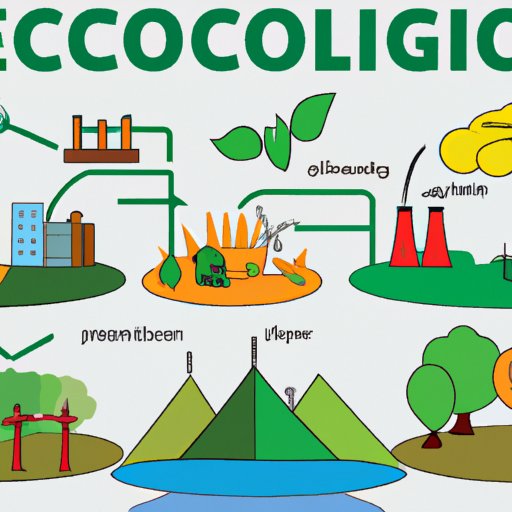
Ecological principles provide us with insight into how our actions are impacting the environment. These principles include the concept of food webs, which show the interconnectedness of all living things. They also include principles such as succession, which explains how ecosystems change over time, and niche theory, which describes how species interact with their environment. Understanding these principles can help us better understand our role in shaping the environment.
Interconnectivity between all living things means that any action we take can have far-reaching consequences. For example, when humans introduce non-native species into an ecosystem, those species can disrupt the balance of the system and have negative impacts on native species. Similarly, when humans pollute or destroy habitats, it can lead to the extinction of certain species and the disruption of food webs.
Global Climate Change from an Ecological Perspective
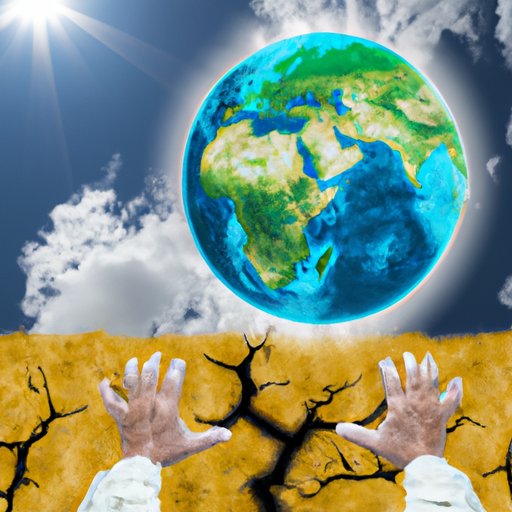
Global climate change is one of the most pressing environmental concerns of our time. Human activities, such as burning fossil fuels, are releasing large amounts of carbon dioxide into the atmosphere, leading to an increase in global temperatures. This can have drastic effects on ecosystems around the world, including changes in the availability of water and food, increases in the spread of disease, and alterations in the distribution of species.
The effects of climate change on species biodiversity are especially concerning. As temperatures rise, many species will struggle to adapt to new conditions, leading to declines in populations or even extinctions. Conservation efforts, such as protected areas and reintroduction programs, can help mitigate some of these effects, but more needs to be done to ensure the survival of species in the face of climate change.
Pollution and Altering Ecosystems
Pollution is another major issue that affects ecosystems. Pollutants, such as chemicals and heavy metals, can enter the environment through various sources and have devastating effects on organisms. Pollutants can accumulate in the tissues of organisms, causing health issues and even death. They can also alter the chemistry of rivers and lakes, leading to reduced oxygen levels and the death of aquatic life.
Examining the effects of pollution on ecosystems is important for understanding how our actions can cause long-term damage. By researching the impacts of pollutants on different species and habitats, we can gain insight into how to prevent further damage and restore affected areas.
Conclusion
The relationship between ecology and environmental science is complex and multifaceted. Human activities are having profound impacts on ecosystems around the world, from global climate change to pollution. By understanding how our actions affect the environment, we can take steps to reduce our impact and protect the planet for future generations.
Understanding the principles of ecology and how our actions are altering the environment can help us create solutions to the problems we face. Through research and conservation efforts, we can work to preserve biodiversity, reduce pollution, and ensure that our planet remains healthy and vibrant for years to come.
(Note: Is this article not meeting your expectations? Do you have knowledge or insights to share? Unlock new opportunities and expand your reach by joining our authors team. Click Registration to join us and share your expertise with our readers.)