
Introduction
The concept of culture is often discussed but rarely fully understood. We know it affects our daily lives and shapes our beliefs, values, and customs, but what exactly is culture? How is it defined? This article seeks to answer these questions by exploring the cultural landscape and examining different perspectives on culture, language, globalization, religion, and art.

Exploring the Cultural Landscape: Defining Culture and its Elements
Culture can be defined as a collective set of beliefs, values, and practices shared by members of a particular group or society. It encompasses the language, customs, traditions, music, art, literature, lifestyle, and history of a people. Culture is what makes us uniquely human and it is constantly evolving.
When discussing culture, it is important to recognize that there are several components that make up a culture. These include language, norms, values, knowledge, skills, beliefs, rituals, and symbols. Language is a key component of culture, as it is used to communicate ideas, feelings, and values from one generation to the next. Norms refer to accepted behaviors within a culture and can range from small things like table manners to larger social issues such as gender roles and marriage. Values are a set of shared beliefs about what is important, while knowledge and skills refer to the accumulated wisdom and talents of a culture. Beliefs are a set of values and ideas that are held to be true and are often tied to religious or spiritual beliefs. Rituals are activities that are performed in order to observe certain occasions or events, while symbols are objects that represent something else. All of these components contribute to the unique identity of a culture.
Analyzing Cross-Cultural Perspectives: How Do Different Cultures Define Culture?
It is important to recognize that different cultures have their own unique definitions of culture. What may be considered a norm in one culture may be viewed as taboo in another. For example, in some cultures, arranged marriages are seen as an acceptable practice, while in others it may be viewed as antiquated or oppressive. Similarly, some cultures may view certain clothing styles as fashionable, while others may view them as inappropriate or offensive. By understanding how different cultures define culture, we can gain insight into the diversity that exists around the world.
Another way to examine cross-cultural perspectives is to look at how various ethnic groups define culture. For example, some Native American tribes view culture as a way to connect with the spiritual world, while other ethnic groups may view it as a way to preserve their history and traditions. Additionally, some cultures may place more emphasis on the importance of language, while others may focus more on the importance of family. Understanding these differences can help us gain a deeper appreciation for the unique ways in which different cultures define culture.
Examining the Role of Language in Defining Culture
Language plays an important role in understanding and defining culture. It is not only used to communicate ideas and values, but also to express emotions and thoughts. Furthermore, language is often used to create a sense of belonging and identity within a culture. For example, some cultures use specific words or phrases to signify membership in a particular group. By understanding the role of language in defining culture, we can better appreciate the power of communication and how it shapes our understanding of the world.
Investigating the Impact of Globalization on Defining Culture
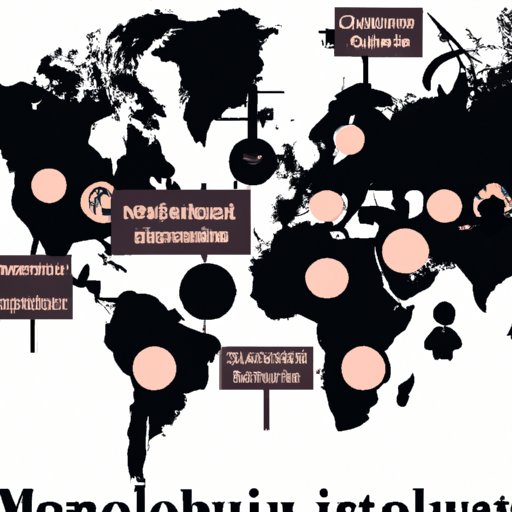
In recent years, globalization has had an immense impact on how culture is defined. With the rise of technology, cultures have become more connected than ever before. This has resulted in increased access to different cultures, making it easier to understand and appreciate different perspectives. However, globalization has also presented challenges when it comes to defining culture. As cultures become more intertwined, it can be difficult to maintain distinct identities and traditions. In addition, the influx of new ideas and practices can lead to confusion and conflict over what constitutes “true” culture.
Understanding the Influence of Religion on Defining Culture
Religion is another factor that has a major influence on how culture is defined. Religious beliefs shape the values and morals of a culture, and rituals and practices are often used to reinforce those beliefs. Additionally, religious symbols and stories can serve as powerful reminders of a culture’s shared history and identity. As such, religion can play an important role in defining culture and helping individuals feel connected to their heritage.
Examining the Relationship Between Art and Culture
The relationship between art and culture is another important aspect of defining culture. Art is often used to communicate ideas, values, and beliefs, as well as to express emotion. It can be used to celebrate achievements and commemorate important events. Furthermore, art is often used to document the history of a culture and to provide insight into its identity. By understanding the role of art in defining culture, we can gain a greater appreciation for the power of creativity and expression.
Conclusion
Culture is an integral part of our lives and influences how we view and interact with the world. It is made up of a variety of components, from language to religion, and each component contributes to the unique identity of a culture. Different cultures have different definitions of culture, and language, globalization, religion, and art all play a role in how culture is defined. By exploring the cultural landscape and examining cross-cultural perspectives, we can gain a deeper understanding of this complex and fascinating topic.
(Note: Is this article not meeting your expectations? Do you have knowledge or insights to share? Unlock new opportunities and expand your reach by joining our authors team. Click Registration to join us and share your expertise with our readers.)