
Introduction
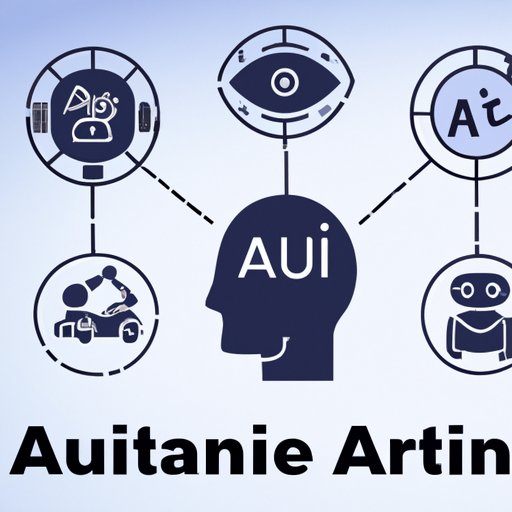
Artificial intelligence (AI) is a broad term that refers to the ability of a computer system or machine to think and learn. AI systems are able to process data and respond to it in ways that humans can understand. AI is being used in a variety of fields such as autonomous vehicles, robotics and automation, healthcare and medical research, natural language processing, image recognition, and cybersecurity and fraud detection. In this article, we will explore how AI is being used in each of these fields.
Autonomous Vehicles
AI is being used to power autonomous vehicles, which are vehicles capable of sensing their environment and navigating without human input. AI enables autonomous vehicles to make decisions based on their observations of the environment and to react to changes in their environment in real-time. According to a study by McKinsey & Company, “AI-powered autonomous vehicles are expected to reduce fatal automobile accidents by up to 90 percent”.
The use of AI for autonomous vehicles has several benefits, including improved safety and efficiency. Autonomous vehicles can be programmed to follow traffic laws and can react quickly to unexpected obstacles. This can help reduce the number of accidents caused by human error. Additionally, autonomous vehicles can be used to reduce traffic congestion and improve fuel efficiency.
However, there are some challenges associated with the use of AI for autonomous vehicles. For example, AI systems must be able to accurately detect obstacles in order to avoid them. Additionally, AI systems must be able to handle unexpected situations, such as sudden changes in weather or road conditions. Finally, AI systems must be able to interact with other autonomous vehicles in order to safely navigate traffic.
Robotics and Automation
AI is also being used to power robotics and automation. Robotics is the use of machines to perform tasks that would normally require human labor, while automation is the use of technology to streamline processes. AI enables robots and automated systems to process data and make decisions in real-time. According to a study by Accenture, “AI-powered robots and automation could increase productivity levels by up to 30 percent”.
The use of AI for robotics and automation has several benefits, including improved accuracy and efficiency. Robots and automated systems can be programmed to follow precise instructions and can react quickly to changes in their environment. This can help reduce errors caused by human labor. Additionally, robots and automated systems can be used to reduce costs and improve productivity.
However, there are some challenges associated with the use of AI for robotics and automation. For example, AI systems must be able to accurately detect objects in order to interact with them. Additionally, AI systems must be able to handle unexpected situations, such as sudden changes in temperature or lighting. Finally, AI systems must be able to interact with other robots and automated systems in order to safely complete tasks.
Healthcare and Medical Research
AI is also being used to power healthcare and medical research. AI enables healthcare providers to analyze large datasets and make decisions based on their data. According to a study by Deloitte, “AI-powered healthcare solutions are expected to reduce healthcare costs by up to 20 percent”.
The use of AI for healthcare and medical research has several benefits, including improved accuracy and efficiency. AI systems can be used to diagnose medical conditions more accurately than humans and can provide more personalized treatments. Additionally, AI systems can be used to reduce paperwork and streamline administrative processes.
However, there are some challenges associated with the use of AI for healthcare and medical research. For example, AI systems must be able to accurately detect abnormalities in order to diagnose medical conditions. Additionally, AI systems must be able to handle unexpected situations, such as changes in patient symptoms. Finally, AI systems must be able to interact with other AI systems in order to share data and insights.
Natural Language Processing
AI is also being used to power natural language processing (NLP). NLP is the ability of a computer system to understand and generate human language. AI enables NLP systems to understand spoken or written language and respond to it in ways that humans can understand. According to a study by Gartner, “AI-powered NLP solutions are expected to increase customer satisfaction by up to 25 percent”.
The use of AI for NLP has several benefits, including improved accuracy and efficiency. NLP systems can be used to quickly respond to customer inquiries and can provide more personalized customer service. Additionally, NLP systems can be used to reduce customer wait times and improve customer satisfaction.
However, there are some challenges associated with the use of AI for NLP. For example, AI systems must be able to accurately interpret language in order to respond correctly. Additionally, AI systems must be able to handle unexpected situations, such as slang or regional dialects. Finally, AI systems must be able to interact with other AI systems in order to share data and insights.
Image Recognition
AI is also being used to power image recognition. Image recognition is the ability of a computer system to recognize objects in images or videos. AI enables image recognition systems to identify objects in images and videos and respond to them in ways that humans can understand. According to a study by PwC, “AI-powered image recognition solutions are expected to increase productivity levels by up to 40 percent”.
The use of AI for image recognition has several benefits, including improved accuracy and efficiency. Image recognition systems can be used to quickly identify objects in images and videos and can provide more accurate results than humans. Additionally, image recognition systems can be used to reduce manual labor and improve productivity.
However, there are some challenges associated with the use of AI for image recognition. For example, AI systems must be able to accurately detect objects in order to identify them. Additionally, AI systems must be able to handle unexpected situations, such as changes in lighting or backgrounds. Finally, AI systems must be able to interact with other AI systems in order to share data and insights.
Cybersecurity and Fraud Detection
AI is also being used to power cybersecurity and fraud detection. Cybersecurity is the practice of protecting data from unauthorized access, while fraud detection is the practice of identifying suspicious activity. AI enables cybersecurity and fraud detection systems to analyze data and make decisions in real-time. According to a study by IBM, “AI-powered cybersecurity and fraud detection solutions are expected to reduce fraud losses by up to 50 percent”.
The use of AI for cybersecurity and fraud detection has several benefits, including improved accuracy and efficiency. Cybersecurity and fraud detection systems can be used to quickly identify threats and can provide more accurate results than humans. Additionally, cybersecurity and fraud detection systems can be used to reduce costs and improve security.
However, there are some challenges associated with the use of AI for cybersecurity and fraud detection. For example, AI systems must be able to accurately detect threats in order to identify them. Additionally, AI systems must be able to handle unexpected situations, such as changes in user behavior. Finally, AI systems must be able to interact with other AI systems in order to share data and insights.
Conclusion
In conclusion, AI is being used in a variety of fields, including autonomous vehicles, robotics and automation, healthcare and medical research, natural language processing, image recognition, and cybersecurity and fraud detection. Each of these applications has its own set of benefits and challenges. However, the potential of AI for solving problems is vast and the future of AI is bright.
(Note: Is this article not meeting your expectations? Do you have knowledge or insights to share? Unlock new opportunities and expand your reach by joining our authors team. Click Registration to join us and share your expertise with our readers.)