
Introduction
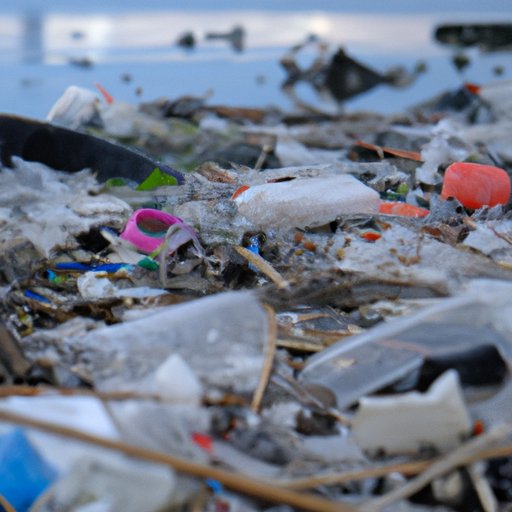
Marine pollution is defined as any type of contamination of the ocean environment that has a negative impact on natural or human life. This can include chemicals, plastics, and other forms of waste that enter the ocean through various sources. In recent years, marine pollution has become a major environmental issue due to the increasing amount of trash entering our oceans.
Trash enters the ocean by numerous pathways, including direct dumping, river runoff, and wind-blown debris. In this article, we will explore how trash gets into the ocean and the impact of human activity on marine pollution.
The Impact of Human Activity on Marine Pollution
Humans are the main source of marine pollution, with most of it resulting from our excessive consumption of single-use plastics. From water bottles and straws to food packaging and shopping bags, plastic products make up a significant portion of the waste that ends up in the ocean.
In addition to plastic waste, other pollutants such as oil, chemical fertilizers, and industrial waste are also entering the ocean through human activities. These pollutants have a serious impact on the health of marine ecosystems and can cause long-term damage to the environment.
Rivers are one of the main pathways for trash to enter the ocean. As polluted water flows downstream, it carries with it all sorts of debris and waste that eventually end up in the ocean. This is especially true in areas with poor waste management infrastructure, where trash is not properly collected or disposed of.
Coastal Development Contributes to Ocean Trash
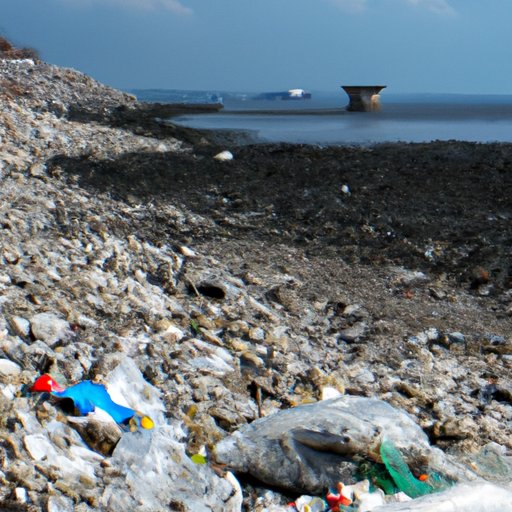
Coastal development is another major contributor to ocean trash. Construction sites, roads, and other infrastructure projects often lead to soil erosion, which can result in large amounts of sediment washing into the sea. This sediment can contain pollutants such as heavy metals and other toxins, which can be detrimental to marine life.
Illegal dumping is another major source of ocean trash. People often dump their trash directly into the ocean, either intentionally or unintentionally. This can include anything from discarded fishing gear to plastic waste, which can have a devastating effect on local marine ecosystems.
Solutions to Reduce Marine Pollution
There are several solutions to reduce marine pollution and keep our oceans clean. One of the most effective ways to reduce ocean trash is to reduce our reliance on single-use plastics. This means using reusable containers and shopping bags instead of disposable ones, and avoiding items like straws, plastic utensils, and Styrofoam containers.
Another solution is to participate in beach and river cleanups, as well as campaigns to raise awareness about the importance of keeping our oceans clean. These initiatives can help to reduce the amount of trash entering our waters and protect local marine life.
Finally, encouraging sustainable fishing practices is essential for reducing marine pollution. Sustainable fishing involves limiting the number of fish caught and avoiding overfishing, as well as using biodegradable fishing gear, such as nets and lines, to reduce the amount of debris left in the ocean.
Conclusion
Marine pollution is a global problem caused by human activity, from excessive plastic use to coastal development and illegal dumping. Rivers carry pollutants to the ocean, while beach and river cleanups can help to reduce the amount of debris entering our waters. Reducing our reliance on single-use plastics and encouraging sustainable fishing practices are two of the most effective solutions to reduce ocean trash and protect our marine ecosystems.
(Note: Is this article not meeting your expectations? Do you have knowledge or insights to share? Unlock new opportunities and expand your reach by joining our authors team. Click Registration to join us and share your expertise with our readers.)