
Introduction
Teeth whitening is a popular cosmetic dental procedure that helps to brighten discolored teeth. It can be done either in-office or at-home, depending on the severity of the discoloration. In order to understand how teeth whitening works, it’s important to first explore the science behind teeth discoloration and the different types of whitening treatments available.
Exploring the Science Behind Teeth Whitening
The chemistry of teeth discoloration is complex but can be broken down into two main categories: extrinsic and intrinsic. Extrinsic discoloration occurs when pigments from certain foods and drinks, such as tea, coffee, and red wine, stick to the outer layer of the tooth enamel. Intrinsic discoloration, on the other hand, is caused by changes in the dentin layer beneath the enamel. This type of discoloration can be caused by aging, trauma, or certain medications.
A Comprehensive Guide to Professional Teeth Whitening Procedures
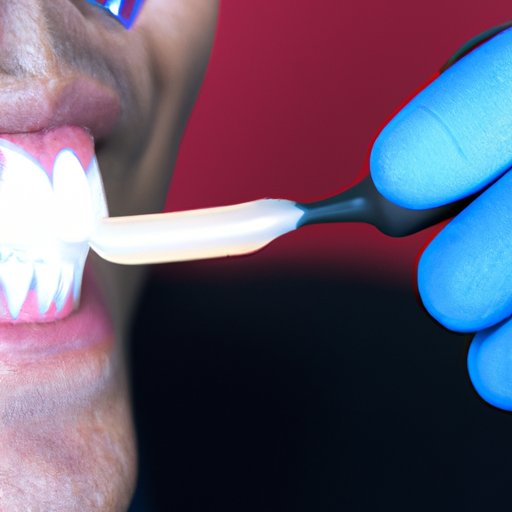
In-office teeth whitening is a professional procedure that is done under the supervision of a dentist. During an in-office whitening session, a powerful bleaching agent is applied directly to the teeth, which quickly and effectively removes stains and discoloration. The entire process typically takes about an hour and is often followed up with a custom-fitted take-home whitening kit.
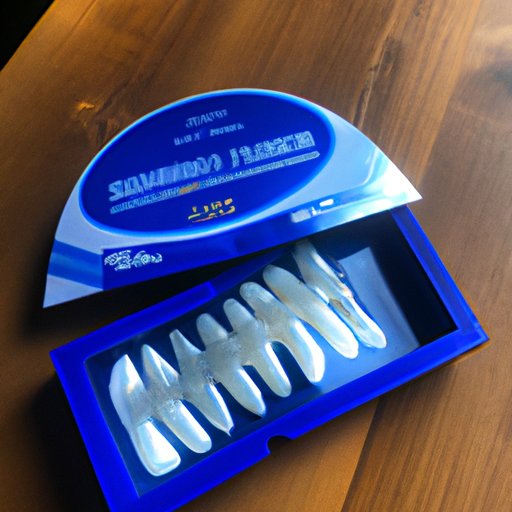
At-home teeth whitening is another popular option for those looking for a more convenient and affordable option. At-home kits usually consist of a tray filled with a bleaching gel that is placed over the teeth for a certain amount of time each day. Results can take anywhere from a few days to several weeks, depending on the severity of the discoloration.
Understanding the Different Types of Teeth Whitening Products
In addition to professional procedures, there are also many different types of over-the-counter teeth whitening products available. These include whitening toothpastes, whitening strips and gels, and whitening trays and lights.
Whitening toothpastes are designed to gently remove surface stains from the teeth. They typically contain mild abrasives that help to scrub away the discoloration and leave the teeth looking brighter. Whitening strips and gels are thin strips or gels that are applied directly to the teeth. The active ingredient in these products is usually hydrogen peroxide, which helps to break down the molecules that cause staining.
Whitening trays and lights are also available for those looking for a more intensive whitening treatment. These products typically include a custom-fitted tray that is filled with a bleaching gel and then worn over the teeth for a certain amount of time each day. Some products also come with a special light that helps to accelerate the whitening process.
Pros and Cons of Different Teeth Whitening Methods
In-office teeth whitening is a fast and effective way to achieve dramatic results, but it can also be expensive and may require multiple sessions. At-home teeth whitening is a more budget-friendly option, but it can take longer to see the desired results and may not be as effective as in-office treatments.
Whitening toothpastes are a good option for those looking for a quick and easy way to brighten their smile, but they are not as effective as other whitening methods. Whitening strips and gels can be used to gradually lighten the teeth, but they may cause sensitivity in some individuals. Whitening trays and lights are a more intensive treatment and can provide dramatic results, but they are also more expensive than other whitening options.
How to Choose the Best Teeth Whitening Treatment for You
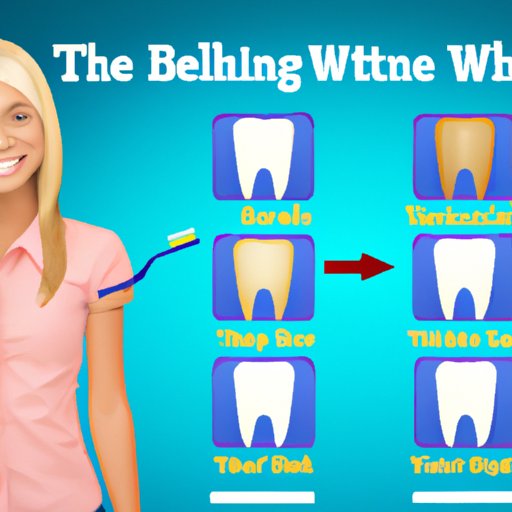
When deciding which teeth whitening treatment is right for you, it’s important to consider your budget and research all of your options. In-office whitening is the most expensive option, but it can also provide the quickest and most dramatic results. At-home whitening is more affordable, but it may take longer to see the desired results.
It’s also important to consult with a professional before beginning any whitening treatment. Your dentist can help you determine which method is best for you based on your individual needs and goals.
The Benefits of Regular Teeth Whitening Maintenance
Regular teeth whitening maintenance can help to keep your teeth looking bright and healthy. Research has shown that regular whitening treatments can reduce staining and improve overall appearance. Additionally, having a bright, white smile can boost self-confidence and make you feel more attractive.
“Having a bright, white smile can make a huge difference in how you feel about yourself,” says Dr. John Toscano, a cosmetic dentist in Chicago. “It’s amazing how just a few simple treatments can have such a positive impact on your overall appearance.”
Conclusion
Teeth whitening is a safe and effective way to brighten discolored teeth. There are many different types of whitening treatments available, ranging from professional in-office procedures to over-the-counter products. It’s important to consider your budget and research all of your options before choosing the best treatment for you. Regular teeth whitening maintenance can help to reduce staining and improve overall appearance, giving you a brighter and more confident smile.
(Note: Is this article not meeting your expectations? Do you have knowledge or insights to share? Unlock new opportunities and expand your reach by joining our authors team. Click Registration to join us and share your expertise with our readers.)