
Introduction
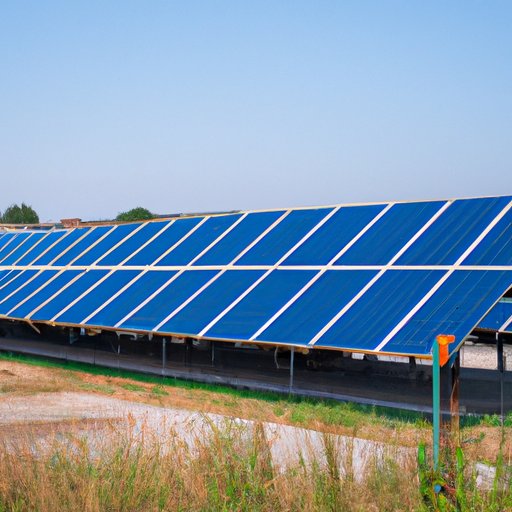
Solar power is a type of renewable energy that is derived from the sun’s rays. It can be used to generate electricity, heat water, and provide light. Solar energy is clean, abundant, and renewable, and it has become increasingly popular in recent years as an energy source for homes and businesses. In this article, we will explore how solar power works and the various benefits it provides.
A Step-by-Step Guide on How Solar Power Works
In order to understand how solar power works, it’s important to have a basic understanding of the components of a solar system and the mechanics of solar energy conversion. Here is a step-by-step guide on how solar power works.
Overview of the Process
Solar power works by converting sunlight into electrical energy using photovoltaic (PV) cells. PV cells are made up of two or more layers of semi-conducting material, usually silicon. When sunlight hits the cell, electrons are knocked loose from their atoms, allowing them to flow freely. This flow of electrons is an electric current, which can then be used to power electrical equipment.
Components of a Solar System
A typical solar system consists of the following components: solar panels, an inverter, a charge controller, and batteries. The solar panels capture sunlight and convert it into direct current (DC) electricity. The inverter converts the DC electricity into alternating current (AC), which is what powers your home appliances. The charge controller regulates the amount of electricity flowing from the solar panels to the batteries. Finally, the batteries store the excess electricity for use at night or on cloudy days.
The Mechanics of Solar Energy Conversion
The process of converting sunlight into electrical energy is known as the “photoelectric effect.” When sunlight hits a PV cell, photons (light particles) knock electrons loose from their atoms. This creates an electric field within the cell, causing the electrons to flow freely, generating an electric current. This electric current can then be used to power electrical equipment.
An Overview of Solar Panel Technology and Its Benefits
Solar panels are devices that capture sunlight and convert it into electrical energy. They are typically made up of photovoltaic (PV) cells, which are made up of two or more layers of semi-conducting material, usually silicon. There are three main types of solar panels: monocrystalline, polycrystalline, and thin film.
Different Types of Solar Panels
Monocrystalline solar panels are made from a single crystal of silicon and are the most efficient type of solar panel. Polycrystalline solar panels are made from multiple crystals of silicon and are slightly less efficient than monocrystalline panels. Thin film solar panels are made from a thin layer of semi-conducting material and are the least efficient type of solar panel.
Advantages of Solar Panels
Solar panels offer a number of advantages over traditional sources of energy. They are clean and renewable, meaning they don’t produce any harmful emissions or waste. They also require very little maintenance and have a long lifespan. Additionally, solar panels can be installed in a wide variety of locations, making them a versatile energy source.
Exploring the Different Types of Solar Panels
As mentioned above, there are three main types of solar panels: monocrystalline, polycrystalline, and thin film. Let’s take a closer look at each one.
Monocrystalline Solar Panels
Monocrystalline solar panels are made from a single crystal of silicon and are the most efficient type of solar panel. They are also the most expensive type of solar panel, but their high efficiency makes them a great choice for homeowners who need to maximize their energy production.
Polycrystalline Solar Panels
Polycrystalline solar panels are made from multiple crystals of silicon and are slightly less efficient than monocrystalline panels. They are cheaper than monocrystalline panels and still offer good performance, making them a great option for homeowners with limited budgets.
Thin Film Solar Panels
Thin film solar panels are made from a thin layer of semi-conducting material and are the least efficient type of solar panel. They are also the cheapest type of solar panel, making them a good choice for homeowners who are looking for an affordable way to go solar.
The Mechanics of Solar Energy Conversion
As discussed earlier, the process of converting sunlight into electrical energy is known as the “photoelectric effect.” This effect was first discovered by Albert Einstein in 1905, who won the Nobel Prize in Physics in 1921 for his work. Here is a brief overview of the photoelectric effect and how it works.
Photoelectric Effect
The photoelectric effect occurs when photons (light particles) hit a metal surface, such as a PV cell. When this happens, the photons knock electrons loose from their atoms, creating an electric field. This electric field causes the electrons to flow freely, generating an electric current.
Photovoltaic Cells
Photovoltaic (PV) cells are made up of two or more layers of semi-conducting material, usually silicon. When sunlight hits the cell, electrons are knocked loose from their atoms, allowing them to flow freely. This flow of electrons is an electric current, which can then be used to power electrical equipment.
The Impact of Solar Power on the Environment
Solar energy is a clean, renewable energy source that has many environmental benefits. Since it does not produce any harmful emissions or waste, it helps reduce air pollution and greenhouse gas emissions. Additionally, solar energy does not rely on finite resources such as coal and oil, so it helps to preserve these resources for future generations.
A Comparison of Different Solar Technologies and Their Efficiency
There are two main types of solar technology – solar thermal and solar photovoltaic. Solar thermal systems use the sun’s heat to generate hot water or steam, while solar photovoltaic systems use the sun’s light to generate electricity. Both technologies have their advantages and disadvantages, and their efficiency depends on several factors, such as the location, orientation, and angle of the solar panels.
Solar Thermal vs. Solar Photovoltaic
Solar thermal systems are generally more efficient than solar photovoltaic systems, as they can capture more of the sun’s energy. However, solar photovoltaic systems are more versatile, as they can be used to generate electricity for both residential and commercial applications.
Factors that Affect Solar Efficiency
The efficiency of solar systems can also be affected by other factors, such as the location, orientation, and angle of the solar panels. Location is important because the amount of sunlight available varies depending on where you live. Orientation and angle can also have an impact on efficiency, as the solar panels need to be positioned in a way that maximizes the amount of sunlight they receive.
Conclusion
Solar power is a clean, renewable energy source that is becoming increasingly popular. It works by converting sunlight into electrical energy using photovoltaic (PV) cells. There are three main types of solar panels – monocrystalline, polycrystalline, and thin film – and each one offers different levels of efficiency. Solar energy has many environmental benefits, as it does not produce any harmful emissions or waste. Finally, the efficiency of solar systems can be affected by factors such as location, orientation, and angle of the solar panels.
(Note: Is this article not meeting your expectations? Do you have knowledge or insights to share? Unlock new opportunities and expand your reach by joining our authors team. Click Registration to join us and share your expertise with our readers.)