

Introduction
Reiki is a form of alternative medicine developed in 1922 by Japanese Buddhist Mikao Usui. It is based on the idea that an unseen “life force energy” flows through us and is what causes us to be alive. If one’s “life force energy” is low, then we are more likely to get sick or feel stress, and if it is high, we are more capable of being happy and healthy. Reiki is a technique for stress reduction and relaxation that also promotes healing.
Overview of Reiki
Reiki is a form of energy healing that works by channeling universal life force energy into the body. This energy can be used to heal physical ailments, emotional issues, and even spiritual blockages. Reiki practitioners use their hands to transfer this energy to the person receiving the treatment. The energy is believed to clear any energy blockages in the person’s body, allowing them to experience deep relaxation and emotional healing.
Benefits of Reiki
Reiki has a range of benefits for those who receive it. These include improved sleep, reduced stress and anxiety, enhanced mental clarity, increased creativity, better focus, and improved physical health. Research has shown that Reiki is effective in reducing pain, improving mood and quality of life, decreasing fatigue, and enhancing relaxation.
Exploring the Science Behind Reiki
Although Reiki is considered an alternative healing practice, there is some scientific evidence that supports its use. Recent research suggests that Reiki can have positive effects on the body and mind. Studies have found that Reiki can reduce inflammation, improve heart rate variability, and increase feelings of wellbeing.
How Energy is Used in Reiki
Reiki practitioners believe that the energy they channel into the person receiving the treatment is the same energy that makes up the entire universe. This energy is known as “ki” or “chi”. The practitioner channels this energy through their hands and into the person receiving the treatment. This energy is believed to help restore balance and harmony to the body and mind.
Examining the Effects of Reiki on the Body and Mind
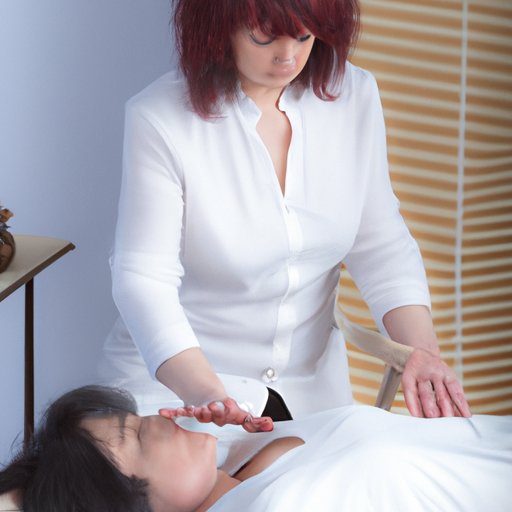
The effects of Reiki on the body and mind are varied. Some people report feeling a sense of deep relaxation and calmness during and after a session. Others may experience a decrease in physical pain or discomfort. Researchers have also reported that Reiki can help reduce stress and anxiety, improve mood, and promote feelings of wellbeing.
A Guide to Giving and Receiving Reiki
In order to give and receive Reiki effectively, it is important to prepare yourself and the space where the session will take place. When preparing for a Reiki session, it is important to create a peaceful and comfortable environment. This could involve playing calming music, burning incense, or lighting candles. It is also important to ensure that both the giver and receiver are relaxed and comfortable.
Setting the Space for Reiki
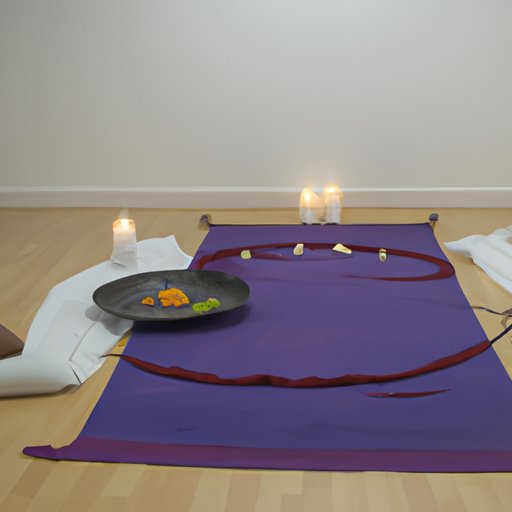
When setting up the space for a Reiki session, it is important to create a peaceful and calming atmosphere. This could involve turning off all electronic devices, dimming the lights, playing relaxing music, and burning incense or lighting candles. It is also important to make sure that both the giver and receiver are comfortable and relaxed.
Preparing Yourself for Reiki
Before giving or receiving Reiki, it is important to take some time to ground yourself. Grounding can be done by taking some slow, deep breaths and focusing on your connection to the earth. This will help you focus your energy and be more present in the moment. You can also meditate or do some yoga poses to help you relax and become more aware of your body.
Techniques for Giving and Receiving Reiki
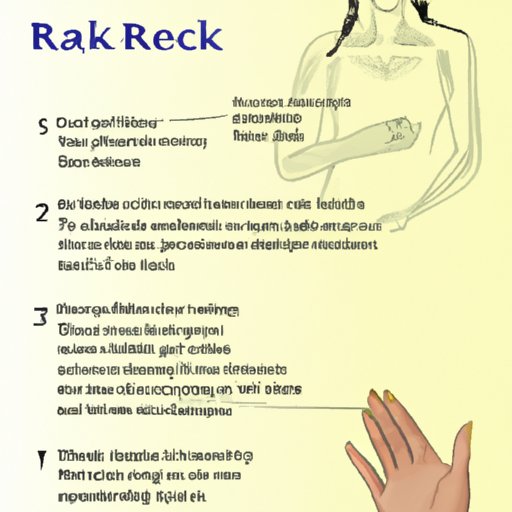
Once the space and the participants have been prepared, the techniques for giving and receiving Reiki can begin. When giving Reiki, the practitioner will usually place their hands on or near the person’s body. They will then focus on sending healing energy to the person. When receiving Reiki, the person should remain still and focus on their breath while allowing the energy to flow through them.
Investigating the Different Levels of Reiki
Reiki practitioners can choose to pursue further training to obtain different levels of Reiki certification. There are three main levels of Reiki: Level 1, Level 2, and Master Level. Each level involves learning different techniques and deepening one’s understanding of the Reiki principles. Reiki practitioners can also choose to specialize in certain areas such as animal Reiki, crystal Reiki, or distance Reiki.
What Are the Different Levels of Reiki?
Reiki Level 1 is the introductory level and focuses on learning the basics of Reiki. At this level, practitioners learn about the history of Reiki, the Reiki principles, and how to give a basic Reiki treatment. Level 2 Reiki teaches practitioners how to send Reiki over distances and how to use symbols to enhance their Reiki treatments. Finally, Master Level Reiki focuses on deepening one’s understanding of Reiki and teaching others.
Understanding the Different Degrees of Reiki
Each level of Reiki requires a certain number of hours of practice and instruction. For Level 1 Reiki, practitioners must complete at least 12 hours of instruction and practice. For Level 2 Reiki, practitioners must complete at least 24 hours of instruction and practice. Finally, for Master Level Reiki, practitioners must complete at least 72 hours of instruction and practice.
Investigating the Spiritual Aspects of Reiki
Reiki is often thought of as a spiritual practice as well as a healing modality. It is rooted in ancient teachings about energy and the power of intention. Reiki practitioners believe that thoughts and intentions can influence the energy around us and can be used to heal ourselves and others. In addition, Reiki practitioners believe that connecting with our higher selves can lead to greater peace and wellbeing.
Exploring the Beliefs and Principles of Reiki
The core beliefs and principles of Reiki are based on the idea of living in harmony with nature and the universe. Reiki practitioners strive to live according to the five Reiki principles: Just for today, I will not worry; Just for today, I will not be angry; Just for today, I will be grateful; Just for today, I will do my work honestly; and Just for today, I will be kind to every living thing.
Connecting with Your Higher Self Through Reiki
Reiki is believed to help practitioners connect with their higher selves and tap into the power of their own inner wisdom. By connecting with their higher selves, practitioners can access a deeper level of healing and understanding and gain insights into their own lives. This connection can also help practitioners develop a deeper sense of compassion and understanding for themselves and others.
Conclusion
Reiki is an ancient healing practice that uses energy to restore balance in the body and mind. It has a range of benefits, including improved sleep, reduced stress and anxiety, enhanced mental clarity, increased creativity, and better focus. There are different levels of Reiki certification and it is rooted in spiritual beliefs and principles. Reiki is a powerful tool for self-care and can help practitioners connect with their higher selves and access deeper levels of healing and understanding.
Summary of the Benefits of Reiki
Reiki is a powerful healing practice that can provide a range of benefits, including improved sleep, reduced stress and anxiety, enhanced mental clarity, increased creativity, better focus, and improved physical health. It is also a great tool for self-care and can help practitioners access deeper levels of healing and understanding.
How to Find a Qualified Reiki Practitioner
If you are interested in receiving Reiki, it is important to find a qualified practitioner. Look for practitioners who are certified and have experience in providing Reiki treatments. You can also ask friends or family who have received Reiki treatments for recommendations. It is also important to make sure that you feel comfortable and safe with the practitioner before beginning a session.
(Note: Is this article not meeting your expectations? Do you have knowledge or insights to share? Unlock new opportunities and expand your reach by joining our authors team. Click Registration to join us and share your expertise with our readers.)