
Introduction
Pressure cooking is a cooking method that uses steam pressure to quickly and efficiently cook food. It’s a great way to get a meal on the table quickly and can help you create delicious dishes that are full of flavor. Pressure cooking has been around for centuries and is now becoming more popular as people look for faster ways to prepare meals. In this article, we’ll explore the science behind pressure cooking and provide a beginner’s guide to using a pressure cooker.

Exploring the Science Behind Pressure Cooking
To understand how pressure cooking works, it’s important to have a basic understanding of atmospheric pressure. Atmospheric pressure is the force exerted by the air around us and is measured in units called “atmospheres” (abbreviated as “atm”). The atmospheric pressure at sea level is 1 atm. When atmospheric pressure increases, the boiling point of water also increases. This means that at higher pressures, water boils at a higher temperature than it does at lower pressures.
In a pressure cooker, the lid is sealed tightly so that steam cannot escape. This creates an environment with a higher atmospheric pressure than the outside air. As the pressure increases, the boiling point of water also increases. This allows the food to be cooked at a higher temperature, which results in faster cooking times.
An In-Depth Look at How Pressure Cookers Function
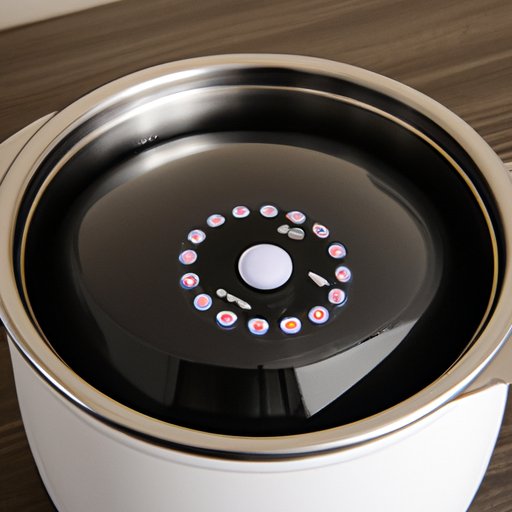
There are several types of pressure cookers available, including stovetop models and electric models. Each type has its own unique features and design. All pressure cookers have a few key components: a lid, a pot, a rubber gasket, and a vent valve.
The lid is sealed tightly to the pot to create a sealed environment. The rubber gasket helps create an airtight seal and prevents steam from escaping. The vent valve is used to release any excess pressure that builds up inside the pot. The vent valve should always be open while the pressure cooker is in use.
Most pressure cookers also feature safety features that are designed to prevent accidents. These include a pressure release valve, a pressure indicator, and a safety lock. The pressure release valve is used to manually release any excess pressure that builds up inside the pot. The pressure indicator tells you when the desired pressure has been reached. The safety lock prevents the lid from being opened until all the pressure has been released.
A Beginner’s Guide to Pressure Cooking
Pressure cooking is a great way to make delicious meals quickly and easily. Here are a few tips for getting started:
- Read the instructions: Before using your pressure cooker, it’s important to read the instructions carefully. This will help you understand how the pressure cooker works and how to use it safely.
- Add the right amount of liquid: To ensure that your food is cooked evenly and thoroughly, it’s important to add the right amount of liquid. Most recipes call for at least one cup of liquid to be added to the pot.
- Use the correct settings: Different foods require different settings, so make sure to follow the instructions for the recipe you’re making. Some pressure cookers also have pre-set functions that make it easier to select the right settings.
- Release the pressure slowly: After the food is cooked, it’s important to release the pressure slowly to avoid splattering. Most pressure cookers have a quick release option that can be used for this purpose.
Pressure Cooking: What You Need to Know
Pressure cooking is a great way to make delicious meals quickly and easily. There are a few common ingredients that are used in pressure cooking, including rice, beans, potatoes, and vegetables. Common dishes made with pressure cookers include soups, stews, curries, and risottos.

How Technology Is Changing Pressure Cooking
In recent years, technology has revolutionized the pressure cooking industry. Smart pressure cookers are now available that allow you to control the cooking process remotely using an app on your smartphone or tablet. These cookers also come with additional features such as delayed start, keep warm, and preset programs.
Conclusion
Pressure cooking is an efficient and convenient way to make delicious meals quickly. It works by creating a high-pressure environment inside the pot that raises the boiling point of water, allowing food to be cooked at a higher temperature and faster rate. Pressure cookers come in various sizes and styles and feature additional safety features to prevent accidents. With a few simple steps and tips, anyone can become a pressure cooking master.
So if you’re looking for a faster way to make delicious meals, then pressure cooking may be the perfect solution for you. Give it a try and see what you think!
(Note: Is this article not meeting your expectations? Do you have knowledge or insights to share? Unlock new opportunities and expand your reach by joining our authors team. Click Registration to join us and share your expertise with our readers.)