
Introduction
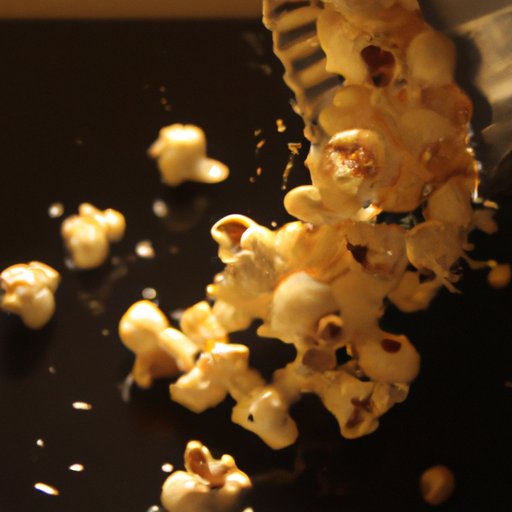
Popcorn has been around for centuries, but it never goes out of style. Whether you’re watching a movie or having a cozy night in, popcorn is always there as a comforting snack. But have you ever wondered just how popcorn works? In this article, we’ll be exploring the science, physics, biology, and technology behind this beloved treat.
What is Popcorn?
Popcorn is a type of maize, a grain-like plant native to Central and South America. It’s believed to have first been cultivated by Indigenous peoples more than 6,000 years ago. Maize is an incredibly versatile crop that can be used to make many different types of food, from tortillas to cereal. Popcorn is made from a special type of maize that “pops” when heated, creating a fluffy, crunchy snack.
Exploring the Science Behind Popcorn: How Does it Work?
The Chemistry of Popcorn: What Makes It Pop?
At its core, popcorn is just a type of maize. But what makes it so special is the combination of two key components: water and starch. Inside each popcorn kernel is a small amount of water, surrounded by a hard outer shell. When exposed to high temperatures, the water inside the kernel turns into steam, which builds up pressure inside the shell. The starch inside the kernel then expands rapidly, causing the kernel to burst open and turn into popcorn.
A Look Inside Popcorn Kernels: How Heat Causes Them to Pop
So why does heat cause popcorn kernels to pop? As mentioned above, heat causes the water inside the kernel to turn into steam. This steam then builds up pressure inside the kernel, eventually causing it to explode. In addition, the heat causes the starch molecules inside the kernel to expand rapidly, which further contributes to the popping process.
The Physics of Popcorn: How Does It Transform from Kernel to Fluffy Treat?
The Pressure Inside the Kernel
As the heat causes the water inside the kernel to turn into steam, the pressure inside the kernel increases. When it reaches a certain point, the kernel will burst open, releasing the steam and transforming the kernel into popcorn. The pressure inside the kernel is known as the “popping pressure” and is typically between 33 and 40 pounds per square inch (psi).
The Expansion of the Starch
In addition to the pressure, the heat also causes the starch molecules inside the kernel to expand rapidly. As they expand, they push against the walls of the kernel, further contributing to the popping process. The expansion of the starch is known as “starch gelatinization,” and it’s what gives popcorn its unique texture and flavor.
The Biology of Popcorn: How Does the Maize Plant Create this Delicious Snack?
The Origin of Maize
Maize is a species of grass native to Central and South America. It was first domesticated by Indigenous peoples in Mexico more than 6,000 years ago. Since then, maize has spread around the world and become an important food crop. It’s now widely grown in the United States, where it’s used to make everything from tortillas to cereal.
The Anatomy of a Popcorn Kernel
Popcorn kernels are made up of three parts: the endosperm, the germ, and the pericarp. The endosperm is the starchy center of the kernel and is made up of mostly carbohydrates. The germ is the tiny embryo of the kernel and is made up of mostly proteins. The pericarp is the tough outer shell of the kernel and is made up of mostly cellulose.
The Technological Advancements of Popcorn: How Machines Make Perfectly Popped Kernels
Different Types of Popcorn Machines
Over the years, technological advancements have allowed us to make perfectly popped popcorn with ease. There are several different types of popcorn machines available, including electric hot-air poppers and oil-based poppers. Each type of machine uses a different method to pop the kernels, but they all produce delicious, fluffy popcorn.
Automating the Popping Process
In recent years, automated popcorn machines have become increasingly popular. These machines use computerized settings to control the temperature and time needed to perfectly pop each batch of popcorn. This allows for consistent results and eliminates the need for manual labor.
Conclusion
Popcorn is a beloved snack that has been around for centuries. Its popularity is due to its unique combination of science, physics, biology, and technology. From the chemistry of what makes popcorn pop to the anatomy of a popcorn kernel, this article has explored the fascinating processes behind this delicious treat.
(Note: Is this article not meeting your expectations? Do you have knowledge or insights to share? Unlock new opportunities and expand your reach by joining our authors team. Click Registration to join us and share your expertise with our readers.)