
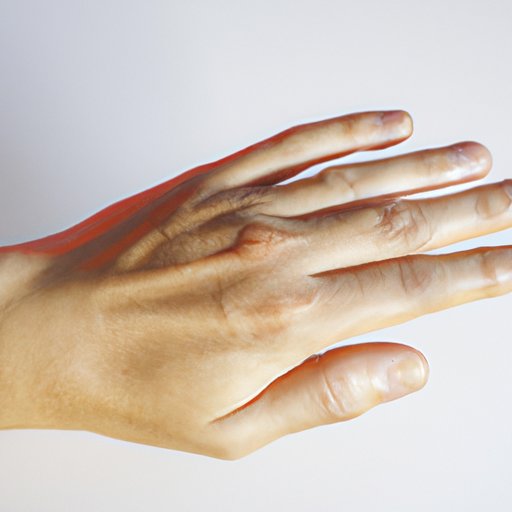
Introduction
Ringworm is a fungal infection that affects the skin, scalp, nails, or feet. It is caused by a group of fungi called dermatophytes, and it is characterized by red, itchy, scaly patches on the skin. Although it is not considered dangerous, it can be very uncomfortable and difficult to get rid of. In this article, we will discuss the causes and risk factors of ringworm, its common symptoms, diagnosis and prevention methods, as well as treatments available.
Common Symptoms of Ringworm
The most common symptom of ringworm is a rash that appears in the shape of a circle or ring. It usually starts as a small, red patch that gradually grows in size and may become scaly or crusty. The infected area is often itchy and may be painful or have a burning sensation. Other symptoms include hair loss, thickened skin, and blisters. In some cases, the infection may spread to other parts of the body such as the face, groin, or scalp.
How to Diagnose Ringworm
If you think you may have ringworm, it’s important to visit your doctor so they can make an accurate diagnosis. Your doctor may perform a physical examination and may use a special light to look at the affected area. They may also take a sample of the infected skin and examine it under a microscope. In some cases, blood tests may be used to confirm the diagnosis.
Prevention of Ringworm
Good hygiene is the best way to prevent ringworm from spreading. You should wash your hands regularly, especially after touching animals or surfaces that may be contaminated. You should also avoid sharing towels, clothes, combs, and other personal items with others. If you have an infected pet, you should keep them away from other pets and people.
Treatment of Ringworm
There are a variety of treatments available for ringworm. Your doctor may prescribe topical antifungal medications or ointments that can be applied directly to the affected area. For more severe cases, oral antifungal medications may be recommended. Additionally, there are several home remedies that may help reduce the symptoms of ringworm. These include applying natural oils such as tea tree oil and applying cool compresses to the affected area.
Conclusion
Ringworm is a fungal infection that affects the skin, scalp, nails, or feet. It is characterized by red, itchy, scaly patches on the skin, and can be very uncomfortable. To diagnose ringworm, it’s important to visit your doctor for a physical exam and possibly a skin sample. Good hygiene is the best way to prevent ringworm from spreading, and there are a variety of treatments available including topical and oral medications as well as home remedies. With proper care and treatment, ringworm can be treated successfully.
(Note: Is this article not meeting your expectations? Do you have knowledge or insights to share? Unlock new opportunities and expand your reach by joining our authors team. Click Registration to join us and share your expertise with our readers.)