
Introduction
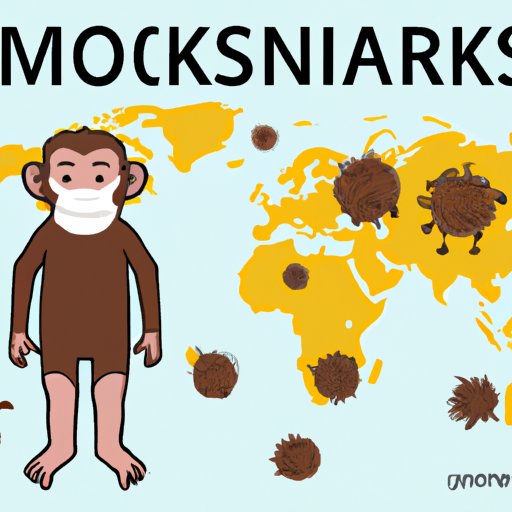
Monkeypox is a rare zoonotic disease caused by an infection of the virus, which can be spread from animals to humans. It is similar to smallpox, but generally less severe. The purpose of this article is to explore how one can get monkeypox, the symptoms, treatment and prevention strategies available.
Understanding Monkeypox
Monkeypox is caused by the monkeypox virus, which is part of the Orthopoxvirus family. It is most commonly found in West and Central African countries, although cases have been reported in the United States, Europe, India and Indonesia. According to the World Health Organization, the virus is typically transmitted through contact with infected animals or their bodily fluids. It can also spread from person to person through direct contact or through the air via coughing and sneezing.
The most common symptoms of monkeypox include fever, headache, muscle aches, swollen lymph nodes and a rash that typically starts on the face and spreads to other parts of the body. In some cases, the rash can lead to open sores and skin infections. Treatment for monkeypox typically includes antiviral medications, supportive care and antibiotics to prevent secondary bacterial infections.
Prevention Strategies for Avoiding Monkeypox
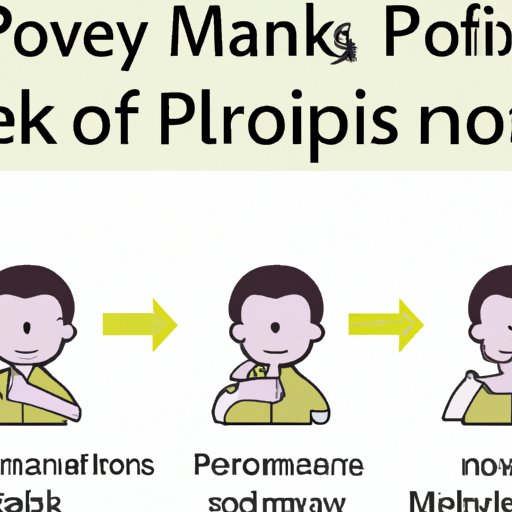
The best way to prevent monkeypox is to avoid contact with animals that may be carrying the virus, such as rodents and primates. Vaccines are also available to protect against the virus, however they are not widely available in many countries. Additionally, it is important to practice good hygiene, such as washing hands regularly and avoiding contact with people who are exhibiting symptoms of the virus. If necessary, seek medical attention right away.
What is the Risk of Contracting Monkeypox?
The risk of contracting monkeypox is low, but it is still important to be aware of the potential risks. Those who live in or travel to areas where monkeypox is common are at a higher risk of contracting the virus. People who come into contact with infected animals or those who are immunocompromised are also more likely to contract the virus.
According to a study conducted by the Centers for Disease Control and Prevention (CDC), there is a low risk of human-to-human transmission of monkeypox. However, it is still possible for the virus to spread from person to person through close contact with an infected individual.
How Can You Tell if You Have Monkeypox?
It is important to be aware of the common symptoms of monkeypox, so that you can seek medical attention if necessary. The most common symptoms include fever, headache, muscle aches, swollen lymph nodes and a rash that typically starts on the face and spreads to other parts of the body. In some cases, the rash can lead to open sores and skin infections.
If you suspect that you may have contracted monkeypox, it is important to seek medical attention right away. Your doctor will likely perform a physical examination and order blood tests and other diagnostic tests to confirm the diagnosis.
Understanding the Transmission of Monkeypox
Monkeypox is primarily transmitted through contact with an infected animal, such as a rodent or primate. It can also be spread from person to person through direct contact with an infected individual or through the air via coughing and sneezing.
According to a study conducted by the CDC, the virus is most often spread from animals to humans, but it can also be spread from person to person in certain circumstances. The virus can remain active on surfaces for up to four days and can survive in the air for several hours, so it is important to take precautions when coming into contact with potentially infected individuals.
Vaccines Available to Protect Against Monkeypox
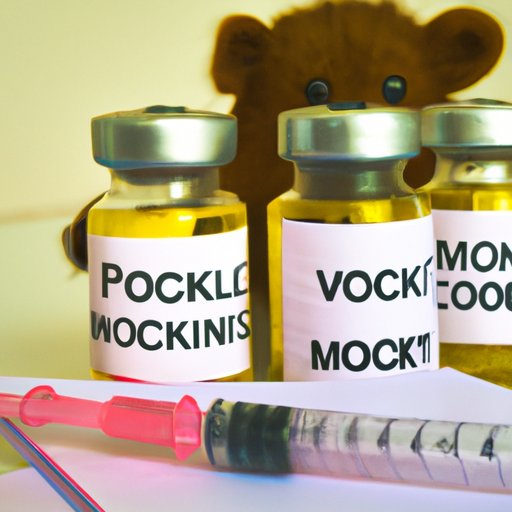
Vaccines are available to protect against the virus, however they are not widely available in many countries. There are two types of vaccines available: a live attenuated vaccine and a killed vaccine. The live attenuated vaccine is the most effective, but it is not recommended for pregnant women or those with weakened immune systems.
The CDC recommends that those who are at high risk of contracting the virus, such as healthcare workers and laboratory personnel, should receive the vaccine. Additionally, those who live in or travel to areas where monkeypox is common should consider getting vaccinated for added protection.
Conclusion
In conclusion, monkeypox is a rare zoonotic disease caused by an infection of the virus. It is typically transmitted through contact with infected animals or their bodily fluids, but it can also spread from person to person in certain circumstances. The most common symptoms of monkeypox include fever, headache, muscle aches, swollen lymph nodes and a rash that typically starts on the face and spreads to other parts of the body. To reduce the risk of contracting the virus, it is important to avoid contact with animals that may be carrying it, practice good hygiene and seek medical attention if necessary. Vaccines are also available to protect against the virus, however they are not widely available in many countries.
(Note: Is this article not meeting your expectations? Do you have knowledge or insights to share? Unlock new opportunities and expand your reach by joining our authors team. Click Registration to join us and share your expertise with our readers.)