
Introduction
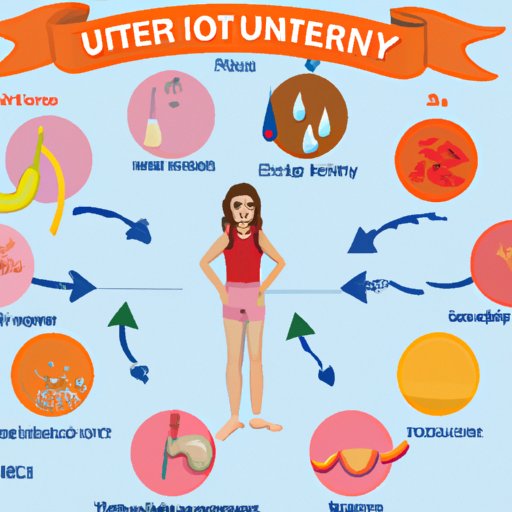
A urinary tract infection (UTI) is an infection that occurs in any part of the urinary system, including the bladder, kidneys, ureters, and urethra. UTIs are usually caused by bacteria entering the body through the urethra, and they can be painful and uncomfortable. It’s important to recognize the signs and symptoms of a UTI and know how to prevent them in the first place.

Identifying the Symptoms of a UTI and Seeking Medical Attention
The most common symptom of a UTI is a burning sensation when urinating. Other symptoms may include a frequent urge to urinate, cloudy or bloody urine, and pain or pressure in the lower abdomen. Women may also experience pelvic pain. If you have any of these symptoms, it is important to seek medical attention as soon as possible.
“It’s important to get a diagnosis from a doctor if you think you might have a UTI since the symptoms can resemble other conditions,” says Dr. Michelle Schoffro Cook, author of The Probiotic Promise. “The sooner you get a diagnosis, the sooner you can start on the appropriate treatment.”

Understanding the Causes of UTIs
Most UTIs are caused by bacteria that enter the urinary tract through the urethra. The most common type of bacteria is E. coli, but other types of bacteria can also cause UTIs. Unhygienic practices, such as not wiping properly after using the bathroom, can also increase your risk for a UTI.
In addition, sexual intercourse can introduce bacteria into the urinary tract, which can lead to a UTI. According to a study published in the journal BMC Urology, women who engage in frequent sexual intercourse are more likely to develop UTIs than those who don’t.
Practicing Good Hygiene to Prevent UTIs
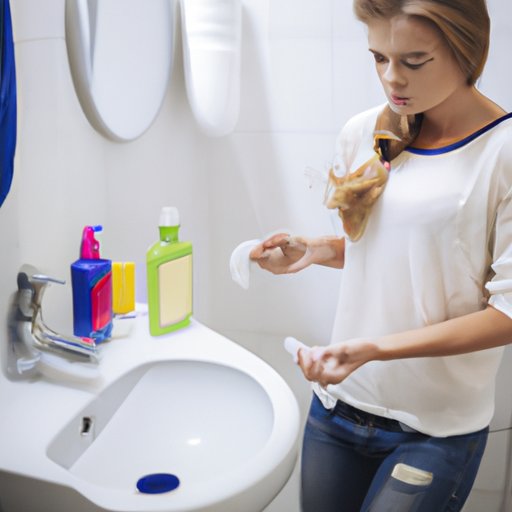
Good hygiene is one of the best ways to prevent UTIs. Women should always wipe from front to back after using the toilet to avoid bacteria from the anus entering the urethra. It is also important to clean the genital area carefully with mild soap and water.
In addition, it is important to change out of wet clothing, such as swimsuits, immediately after swimming or exercising. This will help to keep bacteria from growing in warm, moist environments.
Drinking Plenty of Water to Flush Bacteria
Drinking plenty of water is another way to help prevent UTIs. Water helps to flush bacteria from the body, as well as dilute the concentration of bacteria in the urine. Research has shown that drinking at least 6-8 glasses of water per day can reduce the risk for UTIs.
“Staying hydrated is an important part of UTI prevention,” says Dr. Cook. “Drinking enough water throughout the day helps to flush out bacteria, so make sure you’re drinking enough.”
Taking Proper Medication for UTIs
If you have been diagnosed with a UTI, it is important to take the prescribed medication as directed. Most UTIs are treated with antibiotics, such as trimethoprim or nitrofurantoin. It is important to finish the entire course of antibiotics, even if your symptoms improve, to ensure that all of the bacteria are killed.
It is also important to be aware of the potential side effects of antibiotics. These can include nausea, vomiting, diarrhea, and yeast infections. If you experience any of these side effects, contact your doctor immediately.

Eating Foods That Help Fight UTIs
Certain foods can also help to fight UTIs. Cranberries contain compounds that can prevent bacteria from adhering to the walls of the bladder. Eating garlic can also help to fight bacteria. In addition, eating yogurt with probiotics can help to restore the balance of “good” bacteria in the body.
Knowing When to See a Doctor for Recurrent UTIs
If you experience recurrent UTIs, it is important to see a doctor. Your doctor may recommend further testing to determine the underlying cause of your UTIs. Treatment options may include long-term antibiotic therapy or lifestyle changes such as drinking more water and wearing loose-fitting clothing.
Conclusion
Urinary tract infections can be painful and uncomfortable, but there are steps you can take to prevent them. Practicing good hygiene, drinking plenty of water, and eating certain foods can help to reduce your risk for UTIs. If you experience recurrent UTIs, it is important to see a doctor for further testing and treatment.
(Note: Is this article not meeting your expectations? Do you have knowledge or insights to share? Unlock new opportunities and expand your reach by joining our authors team. Click Registration to join us and share your expertise with our readers.)