
Introduction
Microneedling is a minimally invasive cosmetic procedure that has become increasingly popular as a way to improve skin appearance and treat various skin conditions. But what exactly is microneedling and how does it work? In this article, we’ll explore the science behind microneedling, the potential benefits and risks associated with the procedure, and the popular techniques used in microneedling treatments.
What Is Microneedling?
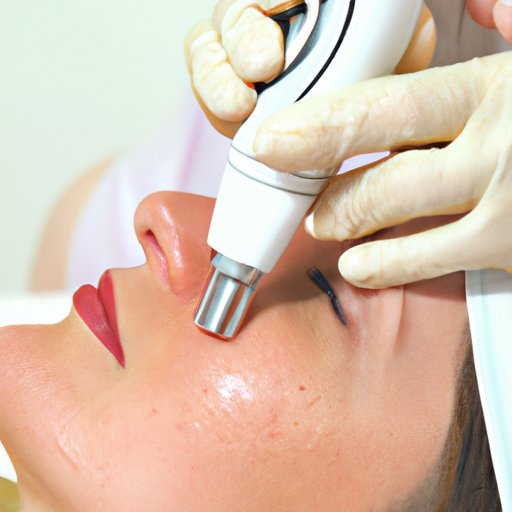
Microneedling, also known as collagen induction therapy (CIT), is a cosmetic procedure that involves making tiny punctures in the skin using a special device. The device is equipped with fine needles that penetrate the skin at a controlled depth, creating tiny wounds that stimulate the body’s natural healing process. This process is thought to stimulate collagen and elastin production, which can help reduce the appearance of wrinkles, scars, and other skin imperfections.
Overview of the Process
The goal of microneedling is to create microscopic injuries in the skin that trigger the body’s natural healing response. As part of the healing process, collagen and elastin are produced to repair the wounds, resulting in smoother, firmer, and more youthful looking skin. The procedure is relatively quick and painless, and most people only experience mild discomfort during the treatment.
Exploring the Science Behind Microneedling
To better understand how microneedling works, it’s important to look at the science behind the procedure. Microneedling takes advantage of the body’s natural healing process to rejuvenate the skin and reduce the signs of aging.
Principles of Skin Regeneration
The key principle behind microneedling is skin regeneration. When the skin is injured, it triggers the body’s natural healing process, which includes the production of new collagen and elastin fibers. These fibers are responsible for keeping the skin firm and elastic, and they are essential for maintaining a youthful appearance.
Role of Collagen and Elastin
Collagen and elastin are two proteins found in the skin that are essential for its health and appearance. Collagen helps give the skin its structure and support, while elastin helps keep the skin flexible and elastic. As we age, our bodies produce less collagen and elastin, which can cause the skin to become loose, saggy, and wrinkled.
Benefits of Microneedling
By stimulating the body’s natural healing process, microneedling can help restore the skin’s collagen and elastin levels, resulting in firmer, smoother, and more youthful looking skin. Additionally, microneedling can be used to treat a variety of skin conditions, including acne scars, stretch marks, and hyperpigmentation. According to one study, microneedling “represents a safe and effective therapeutic option for the treatment of facial acne scars.”
Examining the Benefits and Risks of Microneedling
Like any medical procedure, microneedling carries some potential risks and side effects. It’s important to discuss these risks with your doctor before undergoing the procedure.
Potential Side Effects
Common side effects of microneedling include redness, swelling, and bruising, which typically resolve within a few days. Other potential side effects may include infection, skin discoloration, and scarring. Most of these side effects are temporary and will resolve on their own over time.
Long-Term Results
When performed correctly, microneedling can provide long-term results. Studies have shown that microneedling can help improve the appearance of wrinkles, scars, and other skin imperfections. However, it’s important to note that results vary from person to person and multiple treatments may be necessary to achieve the desired results.
A Step-by-Step Guide to Microneedling Procedures
Before undergoing any type of cosmetic procedure, it’s important to understand the steps involved. Here is a step-by-step guide to microneedling procedures.
Pre-Procedure Instructions
Before the procedure, your doctor will explain the risks and benefits of the procedure and answer any questions you may have. They will also provide pre-procedure instructions, such as avoiding certain medications, alcohol, and sun exposure prior to the procedure. Your doctor may also recommend applying a topical numbing cream to reduce discomfort during the procedure.
The Procedure Steps
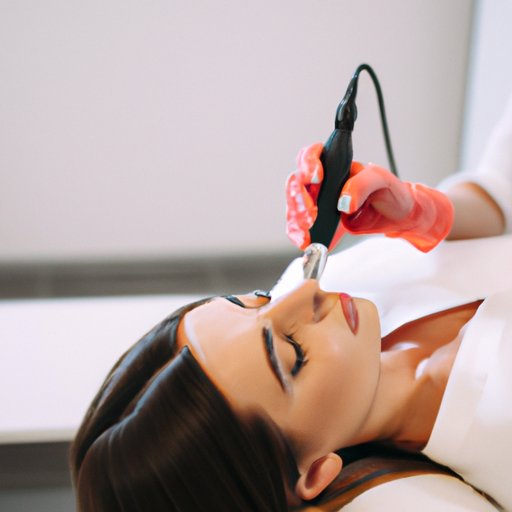
During the procedure, your doctor will use a special device to make tiny punctures in the skin. The needle size and depth will depend on the area being treated and your skin type. After the procedure, your doctor may apply a cooling gel or moisturizer to soothe the skin.
Post-Procedure Care
After the procedure, it’s important to follow your doctor’s post-procedure care instructions. This may include avoiding direct sun exposure, using a gentle cleanser, and applying a moisturizer. Your doctor may also recommend avoiding strenuous activities for a few days after the procedure.
Popular Microneedling Treatments and Techniques
In addition to traditional microneedling, there are a variety of other treatments and techniques that can be used to enhance the results of the procedure.
Dermal Stamping
Dermal stamping is a technique that uses a tool with small spikes to create tiny wounds in the skin. The tool is gently pressed against the skin, allowing the spikes to penetrate the skin without causing damage. The procedure is typically done in combination with other microneedling treatments.
Dermarolling
Dermarolling is a technique that uses a handheld device with small needles to create tiny punctures in the skin. The device is rolled over the skin, allowing the needles to penetrate the skin and create tiny wounds. Dermarolling is commonly used to treat acne scars, wrinkles, and other skin imperfections.
Radio Frequency Microneedling
Radio frequency microneedling is a treatment that combines radio frequency energy with microneedling to create tiny wounds in the skin. The radio frequency energy helps to heat the tissue, which stimulates the production of collagen and elastin. This technique is often used to treat wrinkles, sun damage, and other skin imperfections.
Platelet Rich Plasma
Platelet rich plasma (PRP) is a technique that uses a patient’s own blood to create a serum that is applied to the skin during the microneedling procedure. The PRP contains growth factors and other nutrients that can help speed up the healing process and improve the results of the procedure.
An Overview of Microneedling Results
The results of microneedling vary from person to person, but most people experience visible improvements in the appearance of their skin. Here is an overview of the short-term and long-term results of microneedling.
Short-Term Results
Immediately after the procedure, most people experience redness, swelling, and tenderness in the treated area. These symptoms typically resolve within a few days. Some people may also experience minor bruising, which should also resolve within a few days.
Long-Term Results
Over time, most people experience improved skin texture, reduced pore size, and improved skin tone. Additionally, microneedling can help reduce the appearance of wrinkles, scars, and other skin imperfections. According to one study, “Microneedling with PRP appears to offer a safe and effective treatment for facial rejuvenation.”
Conclusion
Microneedling is a minimally invasive cosmetic procedure that has become increasingly popular as a way to improve skin appearance and treat various skin conditions. By triggering the body’s natural healing response, microneedling can help restore collagen and elastin levels, resulting in firmer, smoother, and more youthful looking skin. Additionally, microneedling can be used to treat a variety of skin conditions, including acne scars, stretch marks, and hyperpigmentation. While there are some potential risks and side effects associated with the procedure, when performed correctly, microneedling can provide long-term results.
The key to achieving the best results is to find a qualified provider who is experienced in performing microneedling procedures. Be sure to discuss all potential risks and benefits with your provider before undergoing the procedure.
Summary of Benefits
In summary, microneedling can provide numerous benefits, including improved skin texture, reduced pore size, and improved skin tone. Additionally, microneedling can help reduce the appearance of wrinkles, scars, and other skin imperfections. When performed correctly, microneedling can provide long-term results.
Final Thoughts
Microneedling is a minimally invasive cosmetic procedure that can provide a variety of benefits. By triggering the body’s natural healing response, microneedling can help restore collagen and elastin levels, resulting in firmer, smoother, and more youthful looking skin. However, it’s important to discuss the potential risks and side effects with your provider before undergoing the procedure.
(Note: Is this article not meeting your expectations? Do you have knowledge or insights to share? Unlock new opportunities and expand your reach by joining our authors team. Click Registration to join us and share your expertise with our readers.)