
Introduction
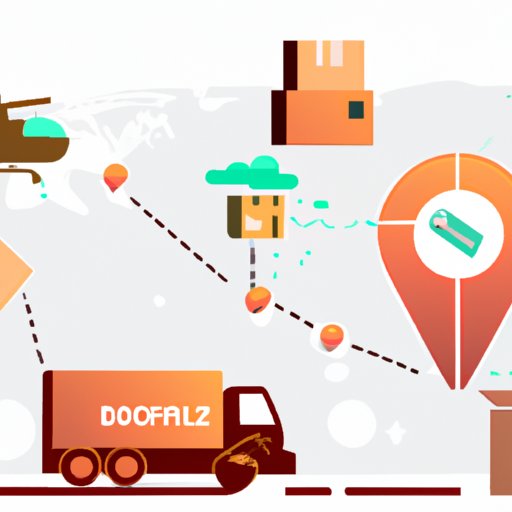
Drop shipping is a type of retail fulfillment method where a store doesn’t keep the products it sells in stock. Instead, when a store sells a product, it purchases the item from a third party and has it shipped directly to the customer. As a result, the merchant never sees or handles the product.
Drop shipping has become an increasingly popular business model for ecommerce retailers due to its low overhead costs and convenience. According to a survey conducted by Oberlo, “87 percent of entrepreneurs consider dropshipping to be a successful and profitable business model.”
Understanding the Challenges of Drop Shipping
While drop shipping allows businesses to cut their overhead costs significantly, there are still challenges that must be addressed in order to make it a successful endeavor. Here are some of the most common challenges associated with drop shipping:
Ensuring Quality Control
One of the biggest challenges associated with drop shipping is ensuring quality control. Since the retailer isn’t handling the product, it can be difficult to guarantee that it meets the standards promised to customers. To ensure quality control, retailers should work only with reliable suppliers who have a good track record of providing high-quality products.
Keeping Up with Inventory
Another challenge associated with drop shipping is keeping up with inventory levels. Since the retailer isn’t storing the product, they must constantly monitor their supplier’s inventory levels and adjust their listings accordingly. If the supplier runs out of a product, the retailer must quickly find a new supplier or remove the product from their store.
Establishing an Effective Pricing Strategy
Finally, retailers must also establish an effective pricing strategy. Since the retailer is purchasing the product from a third party, they need to make sure that the price they charge is competitive in the market. Retailers should also factor in the cost of shipping and any additional fees associated with the drop shipping process.

How to Get Started with Drop Shipping
If you’re interested in getting started with drop shipping, there are a few steps you’ll need to take. Here’s how to get started:
Choosing a Reliable Drop Shipping Provider
The first step is to choose a reliable drop shipping provider. You’ll want to do your research and make sure the provider has a good reputation and offers competitive prices. Additionally, you’ll want to make sure that the provider offers fast and reliable shipping services.
Setting Up Your System
Once you’ve chosen a drop shipping provider, you’ll need to set up your system. This includes creating a website, setting up payment processing, and integrating your inventory management system. This process can be time-consuming, so it’s important to plan ahead and give yourself plenty of time to get everything set up.
Creating Complete Product Descriptions
It’s also important to create complete and detailed product descriptions. This will help potential customers understand what they’re buying and will help you avoid any misunderstandings or returns. You’ll want to include as much information as possible, such as product dimensions, materials, and care instructions.

Strategies for Making Drop Shipping Profitable
Once you’ve got your drop shipping business up and running, you’ll need to focus on making it profitable. Here are some strategies for achieving this goal:
Utilizing Automation
One way to make drop shipping more profitable is to utilize automation. Automating tasks such as inventory management, order fulfillment, and customer service can help streamline your processes and save you time and money. Additionally, automating certain tasks can help reduce errors and improve customer satisfaction.
Leveraging Social Media
Social media can also be a powerful tool for boosting sales and driving traffic to your website. Utilizing platforms such as Instagram, Facebook, and Twitter can help you reach new audiences and promote your products. Additionally, using social media for customer service can help you build relationships with customers and encourage loyalty.
Optimizing Your Shipping Process
Finally, optimizing your shipping process can help you save money and improve customer satisfaction. For example, offering free shipping or discounted shipping rates can help increase conversions and encourage customers to buy more. Additionally, providing tracking information and delivery updates can help keep customers informed and reduce the number of inquiries you receive about order status.
Conclusion
Drop shipping is a great business model for ecommerce retailers looking to minimize overhead costs and simplify their operations. However, there are certain challenges associated with drop shipping, such as ensuring quality control, keeping up with inventory levels, and establishing an effective pricing strategy. Additionally, there are certain strategies retailers can use to make drop shipping more profitable, such as utilizing automation, leveraging social media, and optimizing their shipping process.
By taking these steps, retailers can benefit from the convenience of drop shipping while still maximizing their profits. With the right strategies in place, drop shipping can be a successful and profitable endeavor.
(Note: Is this article not meeting your expectations? Do you have knowledge or insights to share? Unlock new opportunities and expand your reach by joining our authors team. Click Registration to join us and share your expertise with our readers.)