
Introduction
Alcohol is one of the most widely used substances in the world, with an estimated 2 billion people consuming it on a regular basis. It has been around for thousands of years and is deeply embedded in many cultures. Despite its prevalence, there is still a lot of confusion surrounding how alcohol works and the potential health risks associated with it.
The purpose of this article is to provide an in-depth exploration of alcohol and its effects on the body. We will look at the chemistry behind alcohol, how it impacts the brain, and the potential health risks associated with its use. We will also examine the role of genetics, gender, and culture in alcohol consumption.

Exploring the Chemistry Behind Alcohol
Alcohol, or ethanol, is a colorless, volatile liquid that is produced by the fermentation of sugars from fruits, grains, and other plants. It is composed of two carbon atoms, five hydrogen atoms, and one oxygen atom, giving it the molecular formula C2H5OH. When consumed, alcohol is quickly absorbed into the bloodstream.
When alcohol enters the body, it is metabolized by enzymes in the liver. This process breaks down the alcohol into acetaldehyde, which is then further broken down into acetic acid, water, and carbon dioxide. The rate of metabolism depends on several factors, including age, gender, body weight, and the amount of food consumed prior to drinking.
How Does Alcohol Impact the Brain?
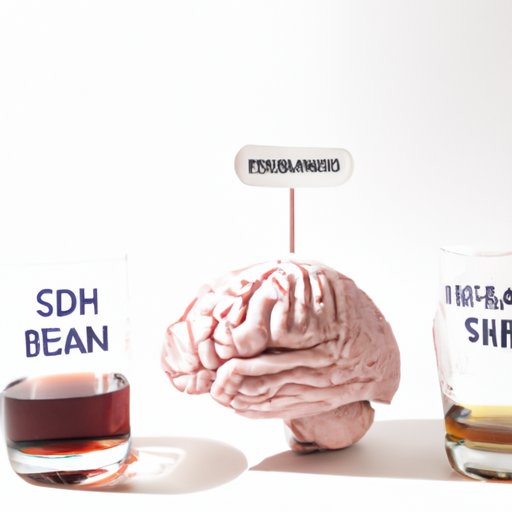
Alcohol affects the brain in both short-term and long-term ways. In the short-term, alcohol causes changes in mood, judgment, and behavior. It can also impair cognitive and motor skills, leading to impaired coordination and reaction time. As blood alcohol levels increase, these effects become more pronounced.
In the long-term, alcohol abuse can lead to changes in brain structure and function. Heavy drinking can cause damage to the hippocampus, which is responsible for memory and learning, as well as the prefrontal cortex, which is responsible for decision-making and impulse control. Long-term alcohol abuse can also lead to an increased risk of developing mental health disorders such as depression and anxiety.
The Effects of Binge Drinking on the Body
Binge drinking is defined as consuming four or more drinks in a single sitting for women, and five or more drinks in a single sitting for men. Binge drinking carries a number of immediate health risks, including alcohol poisoning, falls, accidents, and blackouts. It can also lead to poor decision-making and risky behavior.
In the long-term, binge drinking can increase the risk of developing chronic health conditions such as heart disease, stroke, high blood pressure, and liver cirrhosis. Binge drinking can also increase the risk of developing certain types of cancer, such as breast cancer, colon cancer, and liver cancer.
Long-Term Health Risks of Alcohol Consumption
Heavy and long-term alcohol use can lead to a number of diseases, including liver cirrhosis, pancreatitis, and various forms of cancer. According to the World Health Organization, alcohol is a major contributor to over 200 different diseases and injuries. These include cardiovascular diseases, infectious diseases, mental health disorders, and various types of cancer.
Alcohol consumption can also lead to a number of mental health issues, including depression, anxiety, and substance abuse. It can also contribute to social problems such as violence, crime, and family strife. Additionally, alcohol consumption during pregnancy can lead to fetal alcohol syndrome, a condition that can cause physical and mental disabilities in newborns.

Understanding the Link Between Genetics and Alcoholism
Research suggests that genetic predisposition plays a role in the development of alcoholism. Studies have shown that people with a family history of alcoholism are more likely to develop the disorder than those without. However, environmental factors, such as stress and peer pressure, may also play a role in the development of alcoholism.
“Genetics plays a role in the risk for developing addiction, but it’s not the only factor,” says Dr. John Mendelson, a senior scientist at the Alcohol Research Group in Berkeley, California. “Environmental influences, such as peer pressure and access to alcohol, can also contribute to the development of problem drinking.”
Examining the Role of Gender in Alcohol Use
Gender can also influence alcohol consumption. Men are more likely to drink alcohol than women, and when they do, they tend to consume larger amounts. Additionally, men are more likely to engage in binge drinking and develop alcohol-related problems.
“Men are more likely to overestimate their ability to handle alcohol, and this can lead to dangerous drinking behaviors,” says Dr. Robert Turrisi, a professor of biobehavioral health at Penn State University. “Women are more sensitive to the effects of alcohol and are therefore more likely to experience negative consequences from drinking.”

Exploring the Role of Culture in Alcohol Consumption
Cultural attitudes toward alcohol can also influence consumption patterns. In some cultures, alcohol is seen as a social lubricant and is an accepted part of everyday life. In others, it is viewed as a taboo substance and is discouraged. Cultural norms can also shape attitudes toward binge drinking and heavy drinking.
“Cultural attitudes towards alcohol play a big role in shaping drinking behaviors,” says Dr. Marisa Silveri, a professor of psychiatry at Harvard Medical School. “For example, some cultures view excessive drinking as a sign of strength and virility, while others view it as a sign of weakness and immaturity.”
Conclusion
In conclusion, alcohol is a widely used substance that can have both short-term and long-term effects on the body. Its chemical composition and metabolism are complex, and its impact on the brain can be significant. Heavy and long-term use of alcohol can lead to a number of serious health issues, and genetics, gender, and culture all play a role in how it is consumed.
It is important to understand the risks associated with alcohol use and to practice moderation if you choose to drink. Pay attention to your body’s reactions to alcohol and seek help if you believe you have developed a problem with alcohol. By understanding the science behind alcohol and its potential effects, you can make informed decisions about its use.
(Note: Is this article not meeting your expectations? Do you have knowledge or insights to share? Unlock new opportunities and expand your reach by joining our authors team. Click Registration to join us and share your expertise with our readers.)