
Introduction
A suppressor is a device that is designed to reduce the sound of a gun being fired. It is also known as a silencer, although this term is technically incorrect because it does not completely silence the sound of a gun. The purpose of a suppressor is to reduce the noise and recoil of a gun while still allowing it to be fired accurately.
Exploring the Components and Mechanics of a Suppressor
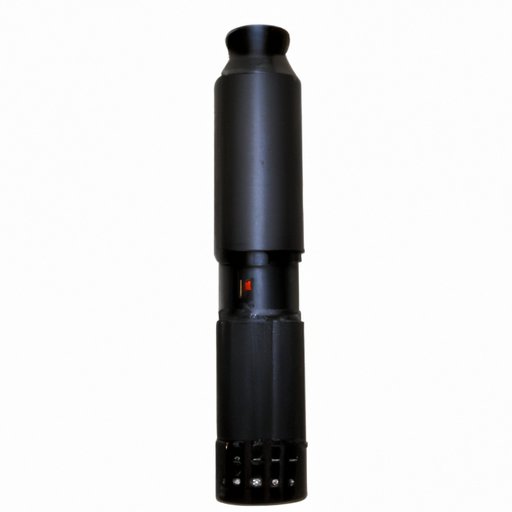
In order to understand how a suppressor works, it is important to first understand its components and mechanics. There are four main components of a suppressor: the tube, baffles, end caps, and mounting system. The tube is the outer shell of the suppressor and contains the other three components. The baffles are the internal components that act as expansion chambers for the gases created when a firearm is discharged. The end caps are designed to direct the gases away from the shooter and further reduce the noise of the gunshot. The mounting system is used to attach the suppressor to the firearm.
How Does a Suppressor Work?
When a gun is fired, a tremendous amount of pressure is created. This pressure is what causes the loud sound associated with a gunshot. A suppressor works by reducing this pressure in several stages. First, the suppressor is mounted to the firearm. Next, when the gun is fired, the pressure created is directed through the suppressor’s tube and into the baffles. The baffles act as expansion chambers for the gases, allowing them to expand before exiting the suppressor.
A Step-by-Step Guide to How a Suppressor Works
Here is a step-by-step guide to how a suppressor works:
- Mounting the Suppressor: The suppressor is attached to the firearm using the appropriate mounting system. This ensures that the suppressor is securely affixed to the gun and that the gases will be properly directed through the suppressor.
- Firing the Gun: When the gun is fired, the pressure created is directed through the suppressor’s tube and into the baffles.
- Gas Expansion: The baffles act as expansion chambers for the gases, allowing them to expand before exiting the suppressor.
- Pressure Reduction: As the gases expand, their pressure is reduced, resulting in a quieter sound. The end caps of the suppressor help to further reduce the noise of the gunshot.
- Sound Mitigation: The combination of the baffles, end caps, and mounting system of the suppressor helps to reduce the sound of the gunshot by as much as 40 decibels.

The Benefits of Using a Suppressor
Using a suppressor has many advantages. Perhaps the most obvious benefit is improved accuracy. By reducing the recoil of the firearm, a suppressor allows the shooter to stay on target more easily. Additionally, suppressed firearms produce less noise, making them safer to use in populated areas. Finally, suppressors can also reduce the muzzle flash of a firearm, making it easier to remain concealed.

Understanding the Physics Behind Suppressors
In order to fully understand how a suppressor works, it is important to have an understanding of the physics behind them. The two main concepts that come into play are pressure wave dynamics and acoustics and noise control. Pressure wave dynamics refers to the way pressure waves travel through a medium such as air or water. Acoustics and noise control refer to techniques used to reduce the sound of a gunshot. Both of these concepts are essential in understanding how a suppressor works.

Examining the Legal Requirements for Owning a Suppressor
Before purchasing a suppressor, it is important to understand the legal requirements for owning one. Suppressors are regulated by federal law as well as state laws. Federal regulations require that individuals must obtain a tax stamp before they can legally own a suppressor. Additionally, some states have additional restrictions or regulations regarding the ownership of suppressors. It is important to research the laws in your area before attempting to purchase one.
Conclusion
Suppressors are an effective way to reduce the sound and recoil of a firearm while still allowing it to be fired accurately. They work by redirecting the pressure created by a gunshot through a series of baffles and end caps. Additionally, there are many benefits to using a suppressor, including improved accuracy, reduced recoil, and improved safety. It is important to understand the legal requirements for owning a suppressor before attempting to purchase one.
(Note: Is this article not meeting your expectations? Do you have knowledge or insights to share? Unlock new opportunities and expand your reach by joining our authors team. Click Registration to join us and share your expertise with our readers.)