
Introduction
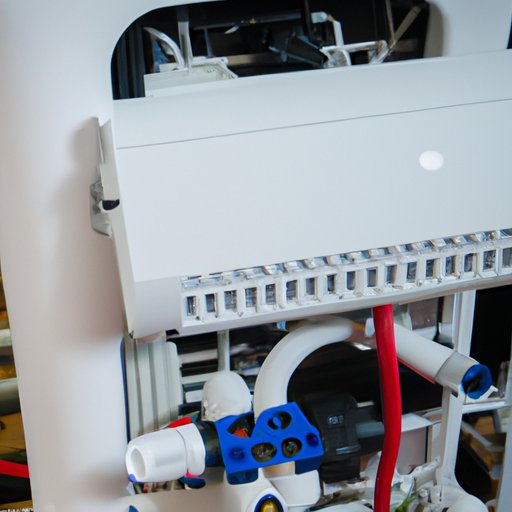
Heat pump water heaters (HPWHs) are an efficient and environmentally friendly way to heat your home’s water supply. They use electricity to transfer heat from one place to another, rather than generating heat directly, which makes them much more energy efficient than traditional electric water heaters. But how exactly does a heat pump water heater work? In this article, we’ll explore the step-by-step process of how HPWHs work, the benefits they offer, the different types available, and what it takes to install and maintain them.
Step-by-Step Guide to Understanding How a Heat Pump Water Heater Works
A heat pump water heater works by transferring heat from one place to another instead of generating it directly. To understand how this works, let’s look at the components of a HPWH and how they work together.
Explaining the Components of a Heat Pump Water Heater
At the core of a heat pump water heater is a compressor, which circulates a refrigerant through a closed loop system. This refrigerant absorbs heat from the surrounding air, which is then transferred to the water in the tank. The water is heated as it passes through the heat exchanger and is then stored in the tank until it is needed. Other components of a heat pump water heater include a fan, condenser coils, expansion valve, and a control board.
Describing How a Heat Pump Water Heater Operates
To begin heating the water, the fan draws in air from the room and blows it over the condenser coils. The refrigerant inside the coils absorbs the heat from the air and becomes a hot gas. The hot gas is then compressed by the compressor, which increases the temperature even further. The hot gas is then sent to the heat exchanger, where it transfers its heat to the water in the tank. Once the water has been heated, the refrigerant is cooled and turned back into a liquid before being circulated back through the system.
Exploring the Benefits of Heat Pump Water Heaters
Heat pump water heaters offer a range of benefits, including lower energy costs, environmental friendliness, and a longer lifespan. Let’s take a closer look at each of these benefits.
Lower Energy Costs
Because heat pump water heaters don’t generate heat directly, they are much more energy efficient than traditional electric water heaters. In fact, HPWHs can be up to three times more efficient than traditional electric water heaters. This means lower energy bills for homeowners and businesses alike.
Environmentally Friendly
Heat pump water heaters are a great choice for those looking to reduce their carbon footprint. Because they use less energy than traditional water heaters, they produce fewer greenhouse gases and other pollutants. In addition, many HPWHs are designed to be recycled or reused after their useful life has ended, making them an even more eco-friendly option.
Longer Lifespan
Heat pump water heaters typically have a much longer lifespan than traditional electric water heaters. With proper maintenance, a HPWH can last up to 20 years, compared to an average lifespan of 8-12 years for a traditional electric water heater.
The Pros and Cons of Using a Heat Pump Water Heater
Like any appliance, there are both pros and cons to using a heat pump water heater. Let’s take a look at some of the advantages and disadvantages.
Pros
The most obvious advantage of a HPWH is its energy efficiency. By transferring heat rather than generating it directly, HPWHs use much less energy than conventional electric water heaters. In addition, they tend to be much quieter than other water heaters, and they require less maintenance. Finally, they are usually eligible for rebates and other incentives, making them an even more attractive option.
Cons
One of the main drawbacks of a HPWH is the initial cost. Although they are generally more expensive than traditional electric water heaters, the long-term savings on energy costs can make them a worthwhile investment. Additionally, HPWHs require more space than traditional water heaters, so they may not be suitable for smaller homes or apartments. Finally, they can be more difficult to install than traditional electric water heaters.
A Comparison of Different Types of Heat Pump Water Heaters
There are two main types of heat pump water heaters: tankless and storage tank models. There are also two types of heat pumps: air source and ground source. Let’s take a look at each type.
Tankless vs. Storage Tank Models
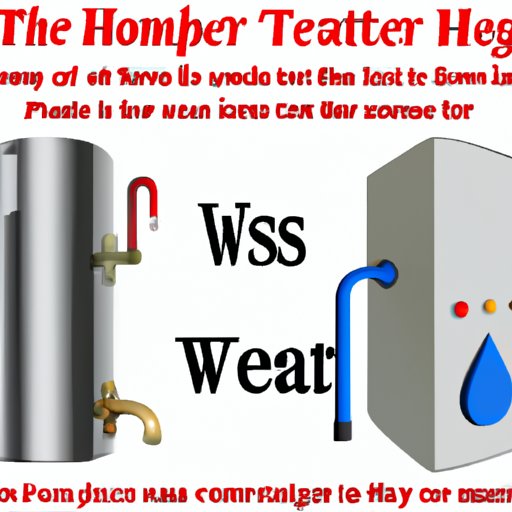
Tankless HPWHs heat water on demand, meaning they only heat water when it is needed. This makes them ideal for households with low water usage, as they won’t waste energy heating water that isn’t being used. On the other hand, storage tank HPWHs heat and store water in an insulated tank, making them better suited to households with higher water usage.
Air Source vs. Ground Source
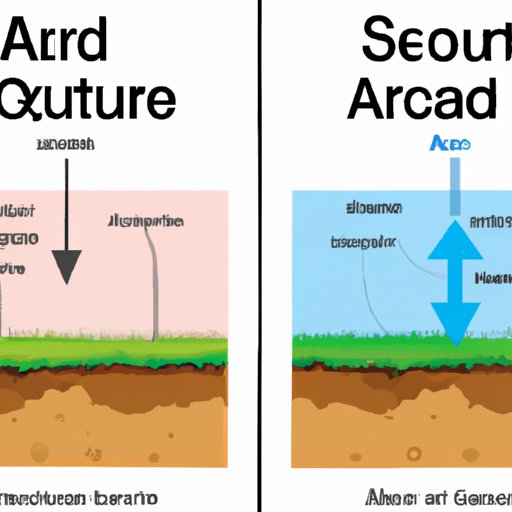
Air source HPWHs draw heat from the air in the room, while ground source HPWHs draw heat from the ground. Air source HPWHs are more common, as they are easier to install and cheaper to purchase. Ground source HPWHs are more efficient, but they are often more expensive and require more complex installation.
An Overview of Heat Pump Water Heater Installation and Maintenance
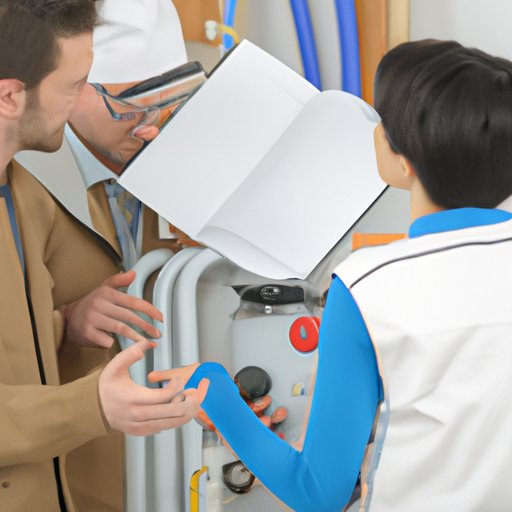
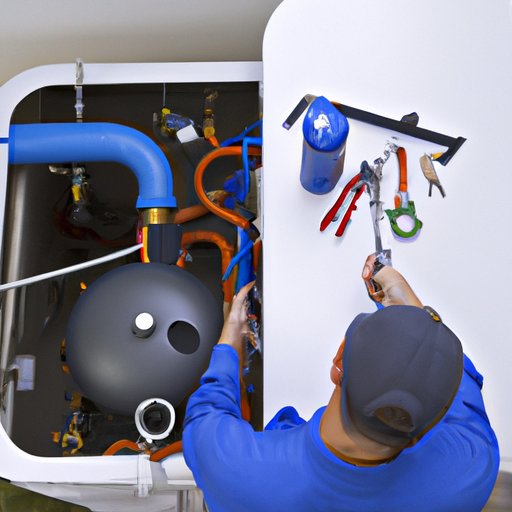
Installing a HPWH requires a qualified technician, as the job involves working with electricity and refrigerants. The technician will need to check the size of the area, the existing plumbing, and the local building codes before beginning the installation. After installation, regular maintenance is recommended to ensure the HPWH is operating efficiently. This includes checking the refrigerant levels and inspecting the coils, fan, and other components.
Conclusion
Heat pump water heaters are an energy efficient and environmentally friendly way to heat your home’s water supply. By transferring heat from one place to another instead of generating it directly, HPWHs use much less energy than traditional electric water heaters. They also offer a range of other benefits, including lower energy costs, environmental friendliness, and a longer lifespan. Before purchasing a HPWH, it’s important to consider the different types available, the installation requirements, and the maintenance tips. With the right knowledge and preparation, a HPWH can be a great choice for your home.
(Note: Is this article not meeting your expectations? Do you have knowledge or insights to share? Unlock new opportunities and expand your reach by joining our authors team. Click Registration to join us and share your expertise with our readers.)