
Introduction
A breast lift is a cosmetic surgical procedure that reshapes sagging or drooping breasts. It can also improve the size and shape of the breasts. The procedure is typically done for aesthetic reasons, but it can also help improve the self-confidence and body image of women who are unhappy with the appearance of their breasts.
Definition of a Breast Lift
A breast lift, also known as mastopexy, is a procedure that involves removing excess skin from the breasts and repositioning the remaining tissue to create a more youthful and perky look. During the procedure, the surgeon may also remove excess fat, if desired, and reshape the areola and nipples. The final result is a firmer, higher, and more symmetrical breast profile.

Reasons Why People Choose Breast Lifts
Women who choose to undergo a breast lift usually do so for cosmetic reasons. Common reasons include changes in breast shape and size due to pregnancy, weight fluctuations, or aging. Other reasons include asymmetrical breasts and dissatisfaction with the overall appearance. Some people may also opt for a breast lift to correct any physical discomfort caused by excessively large breasts.
Step-by-Step Guide to Breast Lift Surgery
A breast lift procedure is a major operation that requires a certain level of preparation and care. Here is a step-by-step guide to the process:
Pre-Surgery Preparation
Before undergoing a breast lift, you should consult with your doctor to discuss your medical history and current health status. This includes any medications you’re taking, previous surgeries, allergies, and other conditions that could potentially interfere with the procedure. Your doctor will also advise you on how to prepare for the surgery, such as avoiding certain foods and drinks, stopping smoking and drinking alcohol, and adjusting your current medications. Additionally, you should arrange for someone to drive you home after the surgery.
Procedure Overview
During a breast lift, the surgeon will make an incision around the areola, down to the crease beneath the breast, and then horizontally along the breast crease. Then, the surgeon will remove excess skin, reshape the breast tissue, and reposition the nipple and areola. Afterward, the incisions will be closed with stitches or special adhesive tape. The entire procedure usually takes two to three hours, depending on the extent of the lift.
Post-Surgery Care
To ensure proper healing, it’s important to follow your doctor’s instructions for post-surgery care. This includes wearing a special support bra for at least six weeks, avoiding strenuous activities, and taking antibiotics as prescribed. You should also expect some swelling and bruising, which should subside within two weeks. If you experience any unusual symptoms, such as fever, redness, or excessive pain, contact your doctor immediately.

Benefits and Risks of a Breast Lift
As with any surgical procedure, there are both advantages and potential complications associated with a breast lift. It’s important to understand the risks before deciding to have the procedure.
Advantages
The primary benefit of a breast lift is improved aesthetics. The procedure can restore the youthful shape and position of the breasts, resulting in a more youthful-looking figure. Additionally, it can help improve self-confidence and body image. Some women may also find relief from physical discomfort caused by overly large breasts.
Potential Complications
Although it’s generally considered a safe procedure, a breast lift does carry certain risks. These include scarring, infection, changes in sensation, and a loss of nipple sensation. In rare cases, the procedure may also cause asymmetry or an unnatural appearance. It’s important to discuss these potential risks with your doctor before undergoing the procedure.
Exploring the Different Types of Breast Lifts
There are several different types of breast lifts. The type of lift that’s right for you will depend on your individual needs and goals. Here’s a brief overview of the four main types of breast lifts.
Anchor Lift
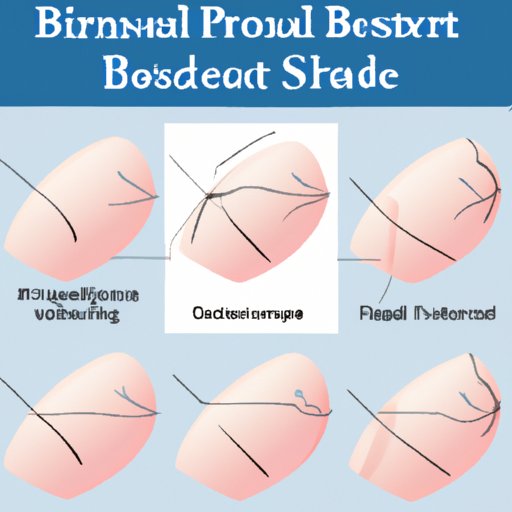
An anchor lift is the most common type of breast lift. It involves making an anchor-shaped incision around the areola, down to the breast crease, and then horizontally along the breast crease. The surgeon will then remove excess skin and reposition the nipple and areola. This type of lift is ideal for breasts that are severely sagging or pendulous.
Crescent Lift
A crescent lift is a less invasive procedure than an anchor lift. It involves making a crescent-shaped incision along the top of the areola to remove a small amount of skin. This type of lift is best suited for women with mild sagging or drooping.
Doughnut/Circumareolar Lift
A doughnut or circumareolar lift involves making a circular incision around the areola to remove excess skin. This type of lift is best suited for women who have minor sagging and want to slightly increase the size of their areolas.
Vertical Lift
A vertical lift involves making an incision around the areola and then vertically down the breast. This type of lift is best suited for women who have moderate to severe sagging. It can also help reduce the size of the areola.

How to Prepare for a Breast Lift
A breast lift is a major surgical procedure, so it’s important to take the time to properly prepare. Here are a few tips to help you get ready for the procedure:
Consult with Your Doctor
Before having a breast lift, it’s important to consult with your doctor to discuss your medical history and current health status. This will help your doctor determine if you’re a good candidate for the procedure.
Understand the Procedure
It’s important to familiarize yourself with the procedure and understand the risks and potential complications. Talk to your doctor about what to expect before, during, and after the procedure.
Have Realistic Expectations
Keep in mind that the results of the procedure may not be perfect. It’s important to have realistic expectations and understand that the results may vary from person to person.
What to Expect During and After a Breast Lift
Here’s a brief overview of what to expect before, during, and after a breast lift:
Before Surgery
Before the procedure, you should make sure to follow your doctor’s pre-surgery instructions. This includes avoiding certain medications and foods, stopping smoking and drinking alcohol, and arranging for someone to drive you home after the surgery.
During Surgery
During the procedure, you’ll be given general anesthesia to keep you comfortable. The surgeon will make an incision around the areola and then remove excess skin, reshape the breast tissue, and reposition the nipple and areola. The entire procedure usually takes two to three hours.
After Surgery
After the procedure, you should expect some swelling and bruising, which should subside within two weeks. Additionally, you should wear a special support bra for at least six weeks and avoid strenuous activities. Most patients can return to work and other normal activities within one to two weeks.
A Look at the Cost of a Breast Lift
The cost of a breast lift varies depending on several factors, including the type of procedure, the complexity of the case, and the surgeon’s experience level. Generally speaking, the cost can range anywhere from $3,000 to $10,000. Additionally, many insurance companies don’t cover the cost of a breast lift, so it’s important to check with your provider before scheduling the procedure.
Recovering from a Breast Lift: Tips and Advice
Recovery from a breast lift is an important part of the process. Here are a few tips to help you recover from the procedure:
Follow Your Doctor’s Instructions
It’s important to follow all of your doctor’s instructions for post-surgery care. This includes wearing a special support bra for at least six weeks, avoiding strenuous activities, and taking antibiotics as prescribed.
Take Care of Yourself
Taking care of yourself during the recovery period is essential. Make sure to rest and get plenty of sleep, eat a healthy diet, and drink plenty of fluids. Additionally, try to stay away from caffeine and alcohol, as they can interfere with the healing process.
Consider Regular Follow-up Appointments
It’s important to follow up with your doctor regularly after the procedure. This will help ensure that you’re healing properly and that any potential complications are caught early.
Conclusion
A breast lift is a major surgical procedure that can help restore the youthful shape and position of the breasts. There are several different types of breast lifts, each with its own advantages and potential risks. Before undergoing a breast lift, it’s important to understand the procedure, prepare for it, and have realistic expectations. Additionally, it’s important to take the time to recover properly and follow your doctor’s instructions. With the right preparation and care, a breast lift can help you achieve the look you desire.
(Note: Is this article not meeting your expectations? Do you have knowledge or insights to share? Unlock new opportunities and expand your reach by joining our authors team. Click Registration to join us and share your expertise with our readers.)