

Introduction
Blockchain is a buzzword that has been gaining traction since its introduction in 2008. But what exactly is it? According to Investopedia, “A blockchain is a digitized, decentralized, public ledger of all cryptocurrency transactions.” In simpler terms, a blockchain is a type of database that stores information in digital blocks, which are then linked together using cryptographic principles. This creates a secure and immutable chain of data that is virtually impossible to hack or tamper with.
In this article, we will explore how a blockchain works and the various components that make up a blockchain. We will discuss the advantages of using a blockchain and examine its application in various industries. We will also compare public vs. private blockchains and look at the security features that make blockchains so secure. Finally, we will discuss the potential future of blockchain technology.
Explaining the Fundamentals of a Blockchain and How it Works
Before delving into the details of how a blockchain works, let us first understand the basics of a blockchain. According to a study published by the International Journal of Advanced Computer Science and Applications (IJACSA), “A blockchain is a distributed database system that maintains a continuously growing list of records, called blocks, secured from tampering and revision.”
What is a blockchain?
Put simply, a blockchain is a type of ledger that stores data in digital blocks that are linked together using cryptography. These blocks are connected in chronological order and each one stores a unique set of data. The data stored on a blockchain can be anything from financial transactions to medical records. The beauty of a blockchain is that it is decentralized, meaning there is no central authority controlling it. Instead, the network is run by a network of computers known as nodes.
How does a blockchain work?
The process of adding new blocks to a blockchain is known as mining. To add a new block, a miner must solve a complex mathematical problem. Once the problem is solved, the new block is added to the blockchain and the transaction is confirmed. All subsequent blocks are linked to the previous ones, creating an immutable chain of data.
Benefits of using a blockchain
The main benefit of using a blockchain is that it is secure and immutable. Since the data is stored across a network of computers, it is virtually impossible to hack or tamper with. Furthermore, since the data is encrypted and stored chronologically, it is easy to trace and verify. This makes it ideal for applications such as financial transactions and supply chain management.
Structure of a Blockchain and Its Components
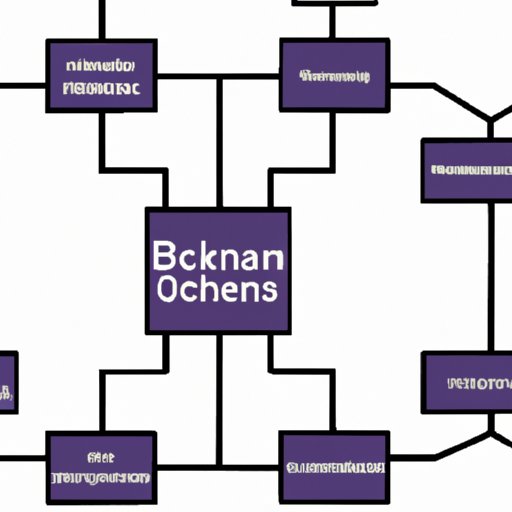
Now that we have a basic understanding of how a blockchain works, let us look at the structure of a blockchain and the various components that make up a blockchain.
Blocks
As mentioned earlier, a blockchain is made up of digital blocks that store a unique set of data. Each block is linked to the previous one, creating an immutable chain of data. The data stored on a block can be anything from financial transactions to medical records.
Nodes
A node is a computer that is connected to the blockchain network. Nodes are responsible for verifying and validating transactions on the network. They do this by running algorithms to ensure that the data being added to the blockchain is accurate and legitimate.
Cryptography
Cryptography is used to secure the data stored on a blockchain. Every block on a blockchain is encrypted using a unique cryptographic key. This ensures that the data stored on a blockchain is secure and cannot be modified or tampered with.
Advantages of Using a Blockchain
Now that we have a better understanding of how a blockchain works, let us look at some of the advantages of using a blockchain.
Increased Security
One of the biggest advantages of using a blockchain is increased security. Since the data is stored across a network of computers, it is virtually impossible to hack or tamper with. Furthermore, since the data is encrypted and stored chronologically, it is easy to trace and verify.
Transparency & Traceability
Another advantage of using a blockchain is increased transparency and traceability. Since all transactions are recorded on the blockchain, it is easy to track and verify them. This makes it ideal for applications such as supply chain management, where it is important to know where products come from and who is responsible for them.
Efficiency & Cost Savings
Finally, using a blockchain can lead to greater efficiency and cost savings. By removing the need for intermediaries, transactions can be completed faster and more cheaply. This makes it ideal for applications such as financial services, where speed and cost are of the utmost importance.
Application of a Blockchain in Various Industries
Now that we have discussed the advantages of using a blockchain, let us look at how it can be applied in various industries.
Financial Services
Blockchain technology has revolutionized the financial services industry. By enabling faster and cheaper transactions, it has opened up new possibilities for banks, insurers, and other financial institutions. For example, banks can now offer services such as cross-border payments and real-time settlements, which were previously not possible due to the slow and expensive nature of traditional banking systems.
Supply Chain Management
Blockchain technology can also be used to improve supply chain management. By recording transactions on the blockchain, companies can track their products from production to sale. This can help increase transparency and reduce costs associated with inventory management.
Healthcare
Blockchain technology can also be used to improve healthcare. By recording patient information on the blockchain, hospitals can ensure the accuracy and security of medical records. This can help reduce errors and improve patient care.
Government
Finally, blockchain technology can be used to improve government services. By recording important documents on the blockchain, governments can ensure the accuracy and security of records. This can help reduce fraud and corruption, while also making it easier to access and verify important documents.
Comparing Public vs. Private Blockchains
When discussing blockchains, it is important to differentiate between public and private blockchains. While both types of blockchains share the same underlying technology, they differ in terms of who has access to the network and how it is managed.
Features of Public Blockchains
Public blockchains are open source networks that anyone can join. They are decentralized, meaning there is no central authority controlling them. Transactions are verified by a consensus mechanism, which ensures that the data stored on the blockchain is accurate and secure.
Features of Private Blockchains
Private blockchains, on the other hand, are closed networks that require permission to join. They are usually managed by a single entity, such as a company or government. Transactions are verified by a trusted third party, which ensures that the data stored on the blockchain is accurate and secure.
Security Features of a Blockchain
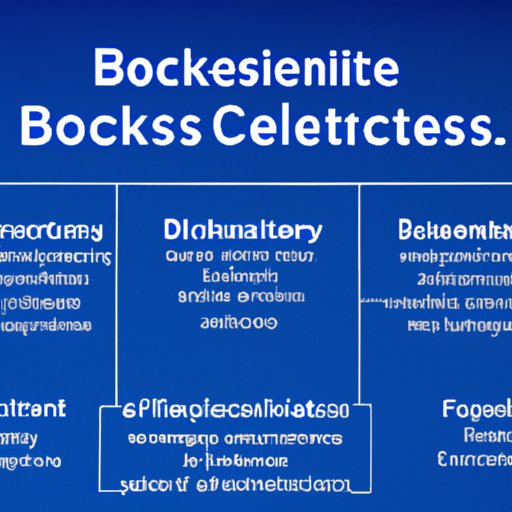
In addition to the features discussed above, blockchains also have several security features that make them so secure. Let us look at some of these features.
Decentralized Network
The most important security feature of a blockchain is its decentralized network. Since the data is stored across a network of computers, it is virtually impossible to hack or tamper with. Furthermore, since the data is encrypted and stored chronologically, it is easy to trace and verify.
Immutability
Another important security feature of a blockchain is its immutability. Once a transaction is recorded on the blockchain, it cannot be changed or reversed. This ensures that the data stored on the blockchain is secure and cannot be modified or tampered with.
Consensus Mechanism
Finally, blockchains use a consensus mechanism to verify and validate transactions on the network. This ensures that the data stored on the blockchain is accurate and legitimate. Furthermore, since the consensus mechanism is decentralized, it is virtually impossible to hack or tamper with.

The Future of Blockchain Technology
Now that we have discussed the security features of a blockchain, let us look at the potential future of blockchain technology.
Potential Use Cases
According to a report by Deloitte, “The potential use cases for blockchain technology are vast, ranging from financial services to healthcare to government services.” As the technology continues to evolve and become more widespread, it is likely that more use cases will emerge. For example, blockchain technology could be used to create digital identities, tokenize assets, and facilitate smart contracts.
Challenges Ahead
Despite the potential of blockchain technology, there are still several challenges that need to be addressed. For example, scalability is still an issue, as the current blockchain networks can only handle a limited number of transactions per second. Additionally, there are still regulatory and legal hurdles to overcome before blockchain technology can be adopted on a large scale.
Conclusion
In conclusion, blockchain technology has the potential to revolutionize the way we conduct business and store data. It is secure, immutable, and transparent, making it ideal for applications such as financial services, supply chain management, and healthcare. While there are still some challenges ahead, the future of blockchain technology looks bright.
(Note: Is this article not meeting your expectations? Do you have knowledge or insights to share? Unlock new opportunities and expand your reach by joining our authors team. Click Registration to join us and share your expertise with our readers.)