
Introduction
It’s important to be able to determine whether or not an egg is still good before you eat it. After all, eating a bad egg can lead to foodborne illnesses such as salmonella. So, how do you tell if an egg is still safe to eat? There are several methods you can use to make sure an egg is good before you crack it open.
When it comes to eggs, “good” means that the egg is still fresh and safe to eat. It should have no visible cracks and no unusual odor. The yolk should be firm and yellow, and the white should be clear and not runny. These are all indications that the egg is still fresh and won’t cause any health problems.
Check the Sell-By Date
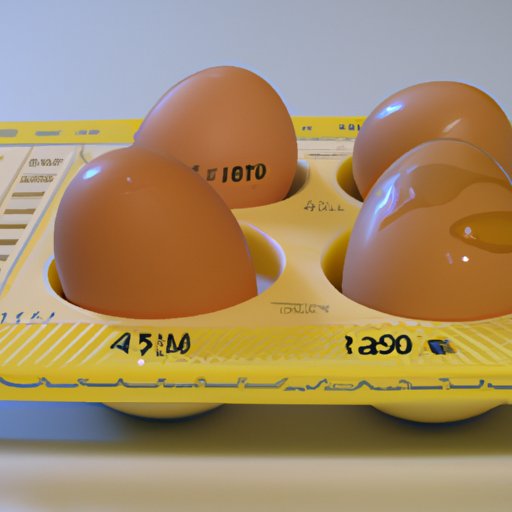
The first thing to do when determining if an egg is good is to check the sell-by date. This is a date stamped on each egg carton that indicates when the eggs were packed or when they should be sold by. It is important to note that this is not an expiration date, but rather a guide to help you decide if the eggs are still fresh enough to eat.
The date is usually stamped in the format of Month/Day/Year. For example, if the date is 06/30/2021, then the eggs should be sold by June 30th, 2021. If the date has already passed, then the eggs may still be good – but you should inspect them further before deciding to eat them.
Inspect for Cracks
Next, you should inspect the eggs for any visible cracks. This is important because cracked eggs can invite bacteria into the egg, making them unsafe to eat. You should also check the shells for any discoloration or soft spots, as these can also indicate that the egg is no longer good.
To inspect the eggs, hold them up to a light source and look closely at their shells. Any visible cracks or discoloration should be discarded immediately. It is also a good idea to gently tap the egg against a hard surface to see if the shell is solid or if it gives way easily, which could indicate that the egg is no longer good.
Give it a Smell Test
If the egg passes the visual inspection, you should then give it a smell test. This is important because bad eggs can develop an unpleasant odor that indicates that the egg is no longer safe to eat. To do the smell test, simply crack the egg open and take a sniff. If the egg smells off or has a sulfur-like odor, then it should be discarded.
It is important to note that some eggs may have a slight odor, even if they are still good. This is normal and does not necessarily mean that the egg is bad. However, if the odor is strong or unpleasant, then the egg should be discarded.
Float Test
Another method to determine if an egg is still good is to do a float test. This test involves placing the egg in a bowl of cold water and observing what happens. If the egg sinks to the bottom and lies flat, then it is still fresh and safe to eat. However, if the egg floats to the top of the water, then it is no longer good and should be discarded.
This is because eggs contain air pockets inside the shell, which expand as the egg ages. As the air pocket expands, the egg becomes less dense, causing it to float. This is an indication that the egg is no longer fresh and should not be eaten.
Crack it Open and Look Inside
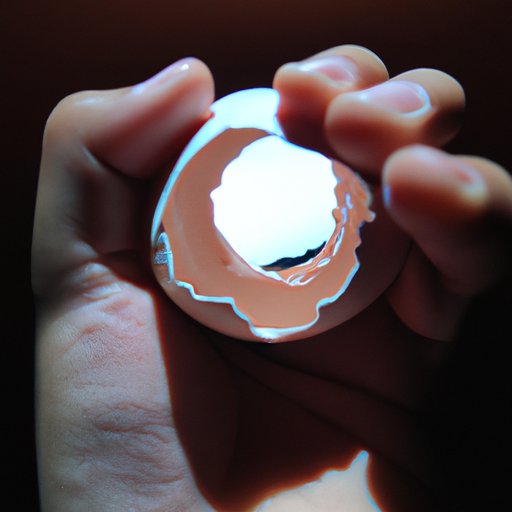
If the egg passes the previous tests, then you can crack it open and look inside. The yolk should be firm and yellow, and the white should be clear and not runny. If the egg looks abnormal in any way, then it should be discarded. Additionally, if the egg smells off or has a sulfur-like odor, then it should also be discarded.
It is important to note that these tests are not foolproof and that there is always a chance that an egg could still be bad even if it passes all of the tests. However, following these steps will greatly reduce the chances of eating a bad egg.
Conclusion
In conclusion, determining if an egg is still good can be done by checking the sell-by date, inspecting for cracks, doing a smell test, and performing a float test. Additionally, cracking the egg open and looking inside can provide further information about its freshness. Following these steps can help ensure that you don’t accidentally consume a bad egg.
(Note: Is this article not meeting your expectations? Do you have knowledge or insights to share? Unlock new opportunities and expand your reach by joining our authors team. Click Registration to join us and share your expertise with our readers.)