
Introduction
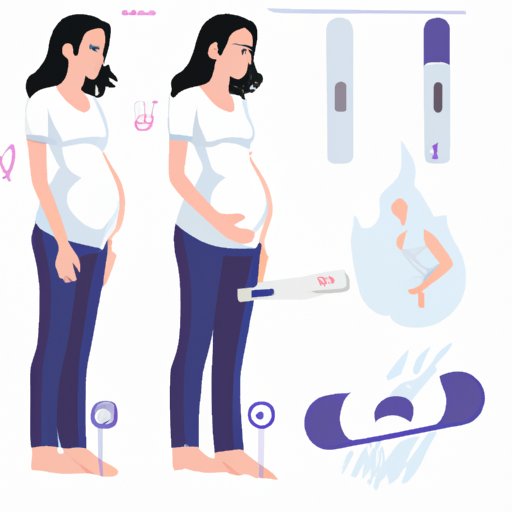
Pregnancy is defined as the period of time when a woman carries a developing baby inside her uterus. It typically lasts around 40 weeks (or 9 months) from the first day of the mother’s last menstrual period. People may want to know if they are pregnant for various reasons. Some may be trying to conceive, while others may have had unprotected sex and want to make sure they are not pregnant. In either case, it is important to understand the different ways to tell if you are pregnant.
Taking a Pregnancy Test
The most reliable way to find out if you are pregnant is to take a pregnancy test. There are a few different types of tests available, including urine tests, blood tests, and at-home kits. Urine tests check for a hormone called human chorionic gonadotropin (hCG), which is only present in the body if someone is pregnant. Blood tests can detect hCG levels at an even earlier stage than urine tests. At-home kits work similarly to urine tests, but they are purchased over the counter at drugstores or online.
When taking a pregnancy test, it is important to read the instructions carefully and follow them precisely to ensure accurate results. Depending on the type of test you take, the results will either show up as a positive or negative sign. A positive sign indicates that you are pregnant, while a negative sign means that you are not. If you take a home test, it is also important to note that faint lines can still indicate a positive result.
It is best to wait until at least two weeks after your missed period to take a pregnancy test. This will give the test enough time to detect hCG in your system. Taking the test any earlier than this may give you inaccurate results.

Experiencing Early Signs of Pregnancy
In addition to taking a pregnancy test, there are some physical and emotional changes that can indicate pregnancy. Common symptoms include fatigue, nausea, breast tenderness, frequent urination, and food cravings or aversions. These symptoms usually start to appear in the first trimester, although some women may experience them earlier. It is important to remember that everyone experiences pregnancy differently, so not everyone will experience all of these symptoms.
To recognize early signs of pregnancy, it is important to pay attention to changes in your body. For example, if you are feeling unusually tired or having frequent nausea, these could be signs that you are pregnant. Additionally, keep track of your menstrual cycle and any other changes in your mood or behavior that could indicate pregnancy.
Monitoring Your Basal Body Temperature
Another way to tell if you are pregnant is to monitor your basal body temperature (BBT). BBT is the lowest temperature your body reaches during rest. It is typically lower before ovulation and higher after ovulation. When someone is pregnant, their BBT will remain high throughout the entire pregnancy. To track your BBT, you will need to take your temperature every morning before getting out of bed. You can use a special thermometer designed for tracking BBT or a regular digital thermometer. After several days of tracking, look for patterns in your temperature to determine if you are pregnant.
Feeling Fetal Movement
As the pregnancy progresses, you may begin to feel the baby moving. This is known as “quickening” and typically happens between 16 and 25 weeks of pregnancy. It is important to note that every pregnancy is different, so some women may feel fetal movement earlier or later than this. Fetal movement can feel like fluttering or tapping sensations in the abdomen. Pay attention to any unusual movements or sensations in your abdomen and report them to your healthcare provider.

Paying Attention to Cravings and Aversions
Cravings and aversions are another possible indication that you are pregnant. Cravings are intense desires for certain foods or drinks, while aversions are intense dislikes for certain foods or drinks. Cravings and aversions usually occur during the first trimester, but they can also happen later in the pregnancy. If you are experiencing sudden cravings or aversions, it could be a sign that you are pregnant.

Keeping Tabs on Weight Gain
Weight gain is another common symptom of pregnancy. According to the American College of Obstetricians and Gynecologists, the average woman should gain between 25 and 35 pounds during pregnancy. However, this number can vary depending on the individual’s pre-pregnancy weight and body type. If you are gaining more or less than this amount, it could be a sign that you are pregnant. Keeping track of your weight gain can help you determine if you are pregnant.
Conclusion
Knowing if you are pregnant can be a confusing and overwhelming process. Taking a pregnancy test is the most reliable way to determine if you are pregnant. Additionally, monitoring your basal body temperature, feeling fetal movement, paying attention to cravings and aversions, and keeping tabs on weight gain can all be helpful indicators of pregnancy. Ultimately, talking to your healthcare provider is the best way to get accurate information about your pregnancy.
If you think you may be pregnant, it is important to speak with your healthcare provider as soon as possible. They can provide additional information and resources to help you through the process. Remember to trust your instincts and listen to your body. With the right care and support, you can have a healthy and happy pregnancy.
(Note: Is this article not meeting your expectations? Do you have knowledge or insights to share? Unlock new opportunities and expand your reach by joining our authors team. Click Registration to join us and share your expertise with our readers.)