
Introduction
Swollen lymph nodes are an indicator of a medical condition that needs to be addressed. Knowing how to identify swollen lymph nodes is important in order to receive the appropriate treatment. This article will provide an overview of the symptoms and causes of swollen lymph nodes, as well as information on how to diagnose and treat them.

Identifying Swollen Lymph Nodes: Symptoms and Causes
Lymph nodes are small, bean-shaped glands found throughout the body. They are part of the immune system and help filter out bacteria, viruses, and other foreign substances from the body. When a person has an infection or illness, their lymph nodes may become swollen.
Common Symptoms of Swollen Lymph Nodes
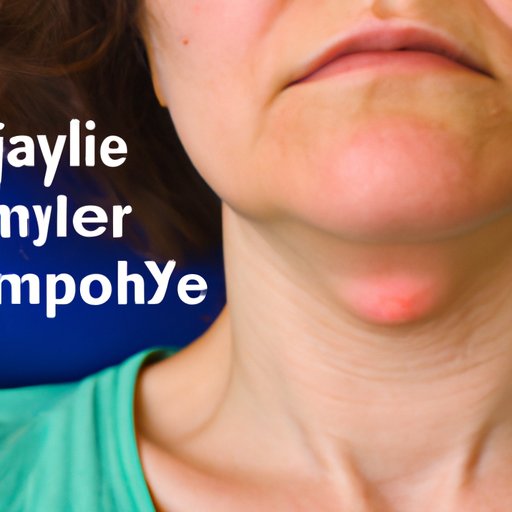
The most common symptom of swollen lymph nodes is tenderness or pain in the affected area. Other symptoms may include redness, warmth, and swelling. In some cases, the lymph node may be visible under the skin.
Possible Causes of Swollen Lymph Nodes
There are several possible causes of swollen lymph nodes, including bacterial or viral infections, such as strep throat, mononucleosis, and the common cold. Other causes can include allergies, autoimmune diseases, cancer, and medications.
Diagnosing Swollen Lymph Nodes with a Physical Exam
If you experience any of the above symptoms, it is important to see your doctor for a physical exam. During the exam, the doctor will examine your lymph nodes to determine if they are swollen.
Description of Physical Exam Techniques
During the physical exam, the doctor will feel the lymph nodes to check for swelling. They may also ask questions about your medical history and any medications you are taking.
Types of Tests Conducted During a Physical Exam
Your doctor may also order blood tests and imaging tests to confirm the diagnosis. These tests can help rule out other possible causes of swollen lymph nodes, such as cancer.

Tests to Confirm Swollen Lymph Nodes
Blood Tests
Blood tests are used to measure levels of certain proteins and white blood cells. High levels of these proteins and cells can indicate an infection or other medical condition.
Imaging Tests
Imaging tests, such as X-rays and CT scans, may be used to look for any abnormalities in the lymph nodes. These tests can also help identify any underlying conditions that may be causing the swollen lymph nodes.
Biopsy
In some cases, a biopsy may be necessary to confirm the diagnosis. During a biopsy, a small sample of tissue is taken from the lymph node and examined under a microscope. This can help determine if the swollen lymph node is caused by an infection or another medical condition.
Treating Swollen Lymph Nodes
Treatment for swollen lymph nodes depends on the underlying cause. Your doctor may prescribe medications to reduce swelling and pain, or antibiotics to treat an infection. In some cases, surgery may be necessary to remove the affected lymph node.

Home Remedies for Swollen Lymph Nodes
In addition to medical treatments, there are some home remedies that may help reduce swelling and discomfort associated with swollen lymph nodes. These include natural supplements, herbal remedies, and hot/cold compresses.
Natural Supplements
Certain natural supplements, such as garlic, echinacea, and vitamin C, may help reduce inflammation and strengthen the immune system. However, it is important to speak with your doctor before taking any supplements.
Herbal Remedies
Herbal remedies, such as chamomile, ginger, and turmeric, may help reduce inflammation and boost the immune system. Again, it is important to speak with your doctor before trying any herbal remedies.
Hot/Cold Compresses
Applying hot or cold compresses to the affected area can help reduce pain and swelling. The application of heat can also help to increase circulation and reduce inflammation.
Conclusion
Swollen lymph nodes can be a sign of an infection or other medical condition. Knowing the symptoms and causes of swollen lymph nodes can help you identify the problem and seek the appropriate treatment. Diagnosis typically involves a physical exam, blood tests, imaging tests, and/or a biopsy. Treatment options include medication, surgery, and home remedies. It is important to speak with your doctor before trying any home remedies.
Summary of Article
This article provided an overview of swollen lymph nodes, including symptoms, causes, diagnosis, treatment, and home remedies. Swollen lymph nodes can be a sign of infection or other medical condition, so it is important to seek medical attention if you experience any of the symptoms.
Advice for Those Experiencing Swollen Lymph Nodes
If you are experiencing swollen lymph nodes, it is important to speak with your doctor to determine the cause and receive the appropriate treatment. In addition to medical treatments, there are some home remedies that may help reduce swelling and discomfort associated with swollen lymph nodes.
(Note: Is this article not meeting your expectations? Do you have knowledge or insights to share? Unlock new opportunities and expand your reach by joining our authors team. Click Registration to join us and share your expertise with our readers.)