
Introduction
Taking care of your nails is an important part of overall health and hygiene. Strong nails are not only aesthetically pleasing, but they can also help protect your hands from dirt and bacteria. Fortunately, there are a number of ways to improve the strength and health of your nails.
In this article, we will explore nine strategies to strengthen your nails. We will discuss the importance of nail health, as well as the benefits of eating a healthy diet, avoiding nail-biting, using moisturizing products, wearing gloves when cleaning, taking supplements, filing and buffing nails regularly, and trimming nails.
Eat a Healthy Diet
Eating a balanced diet is essential for maintaining strong nails. Foods that are high in certain vitamins and minerals, such as biotin, zinc, vitamin A, and protein, can help strengthen nails. Additionally, foods that are high in omega-3 fatty acids, such as salmon and walnuts, can help keep nails hydrated and prevent them from becoming brittle.
Examples of foods that can help strengthen your nails include lean meats, eggs, leafy greens, nuts, legumes, and citrus fruits. Additionally, drinking plenty of water throughout the day can help keep nails hydrated.
Avoid Biting Your Nails
Biting your nails can be bad for your nails in several ways. Biting your nails can cause them to become weak and brittle, which can lead to breakage. Additionally, nail-biting can expose your nails to germs and bacteria, increasing the risk of infection.
If you have a habit of biting your nails, there are some strategies you can use to break the habit. For example, you can try covering your nails with a bitter-tasting polish or keeping a stress ball nearby to squeeze instead of biting your nails. Additionally, if your nail-biting is related to anxiety, it may be helpful to talk to a therapist who can help you manage your stress.
Use Moisturizing Products
Using moisturizing products on your nails can help keep them hydrated, preventing them from becoming dry and brittle. Look for products that contain ingredients such as jojoba oil, shea butter, and Vitamin E, which can help nourish and protect your nails.
You can also use cuticle oil to keep your nails hydrated and healthy. Cuticle oil helps to soften the skin around your nails and can help prevent hangnails. You should apply cuticle oil at least once a day, preferably at night before bed.
Wear Gloves When Cleaning
Wearing gloves when cleaning is important for protecting your nails from harsh chemicals. Many household cleaners contain ingredients that can be damaging to nails, such as bleach and ammonia. Wearing gloves when cleaning can help protect your nails from these chemicals and prevent them from becoming dry and brittle.
When selecting gloves, look for ones that are made of a material that is thick enough to provide protection, but still allows your hands to move freely. Additionally, make sure the gloves fit snugly so that no chemicals can seep through.
Take Supplements
Certain vitamins and minerals can help strengthen nails. Biotin, zinc, and vitamin A are all important nutrients for healthy nails. You can get these nutrients from foods, but if you’re not getting enough from your diet, you may want to consider taking supplements.
Talk to your doctor about what supplements may be best for you. Some of the most common supplements for nail health include biotin, zinc, and fish oil. You can find these supplements in most health food stores.
File and Buff Nails Regularly
Filing and buffing your nails regularly can help keep them strong and healthy. Filing your nails helps remove any rough edges and prevents them from snagging and breaking. Additionally, buffing your nails can help them stay smooth and shiny.
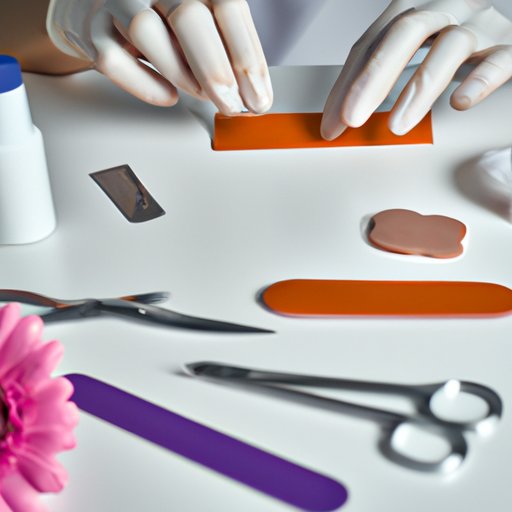
When filing and buffing your nails, it’s important to use the correct tools. You should use a file that is designed specifically for nails, such as an emery board. Additionally, use a buffer that is designed for nails, such as a four-way buffer.
Regularly Trim Nails
Trimming your nails regularly can help keep them strong and healthy. Long nails are more prone to breaking and splitting than short nails, so it’s important to keep them trimmed. Additionally, trimming your nails can help prevent ingrown nails.
When trimming your nails, use a pair of sharp nail scissors or clippers. Trim your nails straight across and avoid cutting them too short. Additionally, if you notice any signs of infection, such as redness or swelling, see your doctor right away.
Conclusion
Taking care of your nails is an important part of overall health and hygiene. Eating a healthy diet, avoiding nail-biting, using moisturizing products, wearing gloves when cleaning, taking supplements, filing and buffing nails regularly, and trimming nails can all help strengthen your nails and improve their health.
For more information on nail health, speak to your doctor or consult reliable online sources. With the right care and attention, you can have strong, healthy nails!
(Note: Is this article not meeting your expectations? Do you have knowledge or insights to share? Unlock new opportunities and expand your reach by joining our authors team. Click Registration to join us and share your expertise with our readers.)