
Introduction
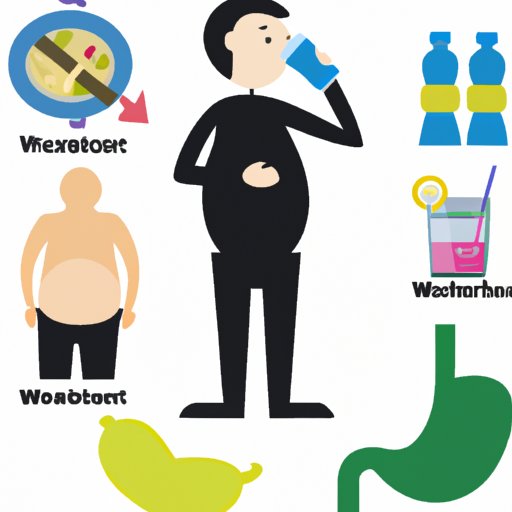
Having excess stomach fat can not only be aesthetically unpleasing but it can also lead to health problems such as type 2 diabetes, heart disease, and certain types of cancer. Therefore, it is important to understand the causes of excess stomach fat and the steps necessary to reduce it.
Definition of Stomach Fat
Stomach fat, or abdominal fat, is the fat that accumulates around the waistline and abdomen. It is usually classified into two categories: subcutaneous fat and visceral fat. Subcutaneous fat is the fat that lies just beneath the skin, while visceral fat is the fat that accumulates in the abdominal cavity and surrounds the organs.

Reasons for Having Excess Stomach Fat
Excess stomach fat is often caused by unhealthy eating habits, lack of physical activity, hormonal imbalances, and stress. In order to reduce this type of fat, it is important to make changes to one’s diet and lifestyle.

Follow a Healthy Diet Plan
One of the most effective ways to reduce stomach fat is to follow a healthy diet plan. This includes eating plenty of fruits and vegetables, avoiding processed foods, limiting sugar intake, and increasing protein intake.
Eating Plenty of Fruits and Vegetables
Fruits and vegetables are packed with essential vitamins and minerals that help keep the body healthy and functioning properly. They are also low in calories, which can help reduce belly fat. Eating five portions of fruit and vegetables per day is recommended for optimal health.
Avoiding Processed Foods
Processed foods are often high in calories, sugar, and unhealthy fats. These can lead to weight gain and an increase in belly fat. Therefore, it is best to avoid these foods and opt for healthier alternatives such as fresh fruits, vegetables, lean meats, and whole grains.
Limiting Sugar Intake
Sugar is one of the main culprits of excess stomach fat. Consuming too much sugar can lead to weight gain and an increase in fat around the waistline. Therefore, it is best to limit sugar intake and opt for natural sweeteners such as honey or maple syrup instead.
Incorporate Regular Exercise
In addition to following a healthy diet, regular exercise is also important for reducing stomach fat. This includes cardio exercises, strength training, and high-intensity interval training (HIIT). Cardio exercises such as running, biking, swimming, and walking can help burn calories and reduce fat. Strength training can also help build muscle and boost metabolism. HIIT is a form of exercise that involves short bursts of intense activity followed by a period of rest. This type of exercise is especially effective for burning fat.
Reduce Stress Levels
Stress can have a negative impact on health and can cause an increase in abdominal fat. Therefore, it is important to identify sources of stress and practice relaxation techniques such as yoga, meditation, and deep breathing. It is also important to get adequate sleep in order to reduce stress levels.
Increase Protein Intake
High-protein diets can help reduce stomach fat by curbing hunger and boosting metabolism. Protein-rich foods such as lean meats, eggs, beans, and nuts are excellent sources of protein and should be included in one’s diet. Protein shakes and supplements can also be used to increase protein intake.

Cut Down on Refined Carbs
It is important to distinguish between complex and simple carbs. Complex carbs such as whole grains, legumes, and fruits and vegetables are better for overall health, while simple carbs such as white bread, candy, and sugary drinks should be avoided. Refined carbs can cause blood sugar spikes and an increase in abdominal fat.
Get Plenty of Sleep
Sleep deprivation can lead to an increase in cortisol levels, which can cause an accumulation of abdominal fat. Therefore, it is important to get at least seven to eight hours of sleep per night. To improve sleep quality, it is best to avoid screens before bed, limit caffeine intake, and establish a consistent sleep schedule.
Drink Plenty of Water
Drinking plenty of water can help reduce belly fat and promote overall health. Water helps flush out toxins from the body, aids in digestion, and boosts metabolism. The amount of water needed daily depends on one’s size and activity level. Most adults need at least eight glasses of water per day.
Conclusion
In conclusion, losing stomach fat requires a combination of healthy diet, regular exercise, and lifestyle habits. It is important to eat plenty of fruits and vegetables, avoid processed foods, limit sugar intake, and increase protein intake. It is also important to incorporate regular exercise, reduce stress levels, cut down on refined carbs, get plenty of sleep, and drink plenty of water. By following these steps, you can reduce your stomach fat and improve your overall health.
(Note: Is this article not meeting your expectations? Do you have knowledge or insights to share? Unlock new opportunities and expand your reach by joining our authors team. Click Registration to join us and share your expertise with our readers.)