

Introduction
Cat obesity is defined as a body weight that is 20% or more above the ideal body weight for a particular breed. It’s estimated that over 50% of cats in the United States are overweight or obese. Although it can be easy to overlook, carrying excess weight can have serious health consequences for your cat.
Carrying extra weight puts your cat at risk for a variety of health problems, including diabetes, arthritis, heart and respiratory disease, urinary tract disorders, and even premature death. In order to ensure your cat is at a healthy weight and minimize the risk of developing any of these issues, it’s important to take steps to help them lose weight.
Feed them a low-calorie, high-fiber diet
High-fiber diets can help cats feel fuller for longer, which can help them consume fewer calories throughout the day. High-fiber foods also slow digestion, allowing your cat to absorb more nutrients from their food. Some good options for low-calorie, high-fiber foods include canned pumpkin, cooked green beans, cooked sweet potatoes, and cooked carrots.
It’s important to note that cats require certain nutrients in order to stay healthy, so it’s important to choose foods that offer a balanced nutrition profile. You should also talk to your veterinarian about what type of diet would be best for your cat.
Reduce portion sizes
If your cat is eating too much, reducing their portion sizes can help them lose weight. When feeding your cat, measure out their food and stick to the recommended portion size on the label. If you’re giving them treats, make sure to count those as part of their daily caloric intake.
You may also want to consider feeding your cat multiple smaller meals throughout the day, rather than one large meal. This can keep them feeling full without consuming too many calories.
Increase exercise time
Increasing your cat’s exercise time can help them burn calories, build muscle, and maintain a healthy weight. Some ways to do this include providing them with interactive toys, such as wand toys or laser pointers, and encouraging them to play with other cats. You can also engage in active playtime with your cat several times a day.
For cats that don’t enjoy playing, you can encourage them to move around by providing them with a scratching post or climbing tree. This can help them stay active and increase their range of motion.
Switch to a wet food diet
Switching to a wet food diet can be beneficial for cats that need to lose weight. Wet food is generally higher in protein and moisture content than dry food, meaning it can help your cat feel fuller for longer. Additionally, wet food contains fewer carbohydrates and more fat than dry food, which can help your cat maintain a healthy weight.
It’s important to note that wet food can spoil quickly, so it’s best to feed your cat small portions throughout the day. You should also always check the expiration date before serving your cat wet food.
Eliminate treats and table scraps
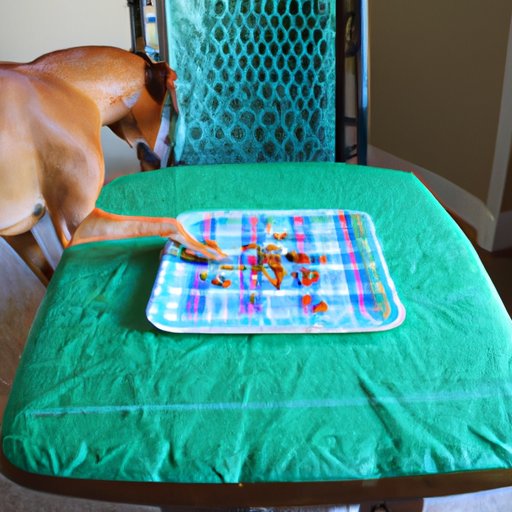
Giving your cat treats and table scraps can add extra calories to their diet, making it harder for them to lose weight. While it’s ok to give your cat treats occasionally, it’s best to avoid giving them too many. You should also avoid giving them table scraps, as these can often contain unhealthy ingredients.
Instead, look for healthy treats specifically formulated for cats. These are often lower in calories and packed with essential vitamins and minerals.
Measure and track your cat’s weight
Measuring and tracking your cat’s weight can help you determine if they’re losing weight or if they need to make further changes to their diet and exercise routine. Weigh your cat regularly and record the results. You can also use a tape measure to measure their waistline and chest circumference.
If you notice your cat has stopped losing weight or is gaining weight, it’s important to talk to your veterinarian to determine the cause and find a solution.
Visit the vet for an annual checkup
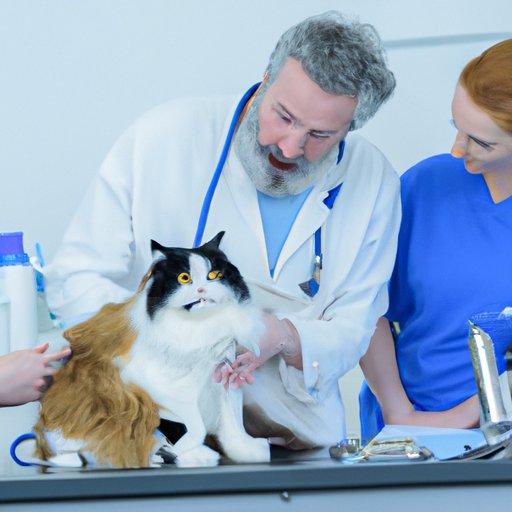
Visiting the vet for an annual checkup is an important part of helping your cat maintain a healthy weight. During the visit, your vet will assess your cat’s overall health and make recommendations for their diet and exercise routine. They can also answer any questions you have about helping your cat lose weight.
Additionally, your vet can provide advice on how to prevent your cat from becoming overweight in the future.
Conclusion
Helping your cat lose weight is essential for maintaining their health. With the right diet and exercise plan, you can help your cat achieve a healthy weight and reduce their risk of developing a variety of health conditions. Feed your cat a low-calorie, high-fiber diet, reduce their portion sizes, increase their exercise time, switch to a wet food diet, and eliminate treats and table scraps. Additionally, measure and track their weight and visit the vet for an annual checkup.
By taking these steps, you can help ensure your cat lives a long and healthy life.
(Note: Is this article not meeting your expectations? Do you have knowledge or insights to share? Unlock new opportunities and expand your reach by joining our authors team. Click Registration to join us and share your expertise with our readers.)