
Introduction
Anxiety is a normal part of life that everyone experiences from time to time. It’s a feeling of fear or apprehension about what’s to come. Everyone experiences anxiety differently, with some people feeling more anxious than others in certain situations. Common symptoms include sweating, difficulty sleeping, racing thoughts, and shortness of breath.
When left unchecked, anxiety can have a negative impact on your physical and mental health. It can lead to fatigue, depression, and even physical illnesses. Fortunately, there are several strategies you can use to control your anxiety and improve your overall well-being.
Exercise Regularly
Regular exercise is one of the best ways to reduce anxiety. According to a study published in the Clinical Psychology Review, regular physical activity may reduce symptoms of anxiety, depression, and stress. Exercise releases endorphins, which can help boost your mood and give you a sense of accomplishment.
The type of exercise you do doesn’t matter as much as consistency. Choose an activity that you enjoy, such as walking, jogging, swimming, or dancing. Aim for at least 30 minutes of exercise per day, five days a week. If you don’t have time for a full workout, try taking 10-minute breaks throughout the day to move around and stretch.

Practice Deep Breathing or Meditation
Deep breathing and meditation are two simple yet powerful tools for managing anxiety. When you’re feeling overwhelmed, take a few moments to focus on your breath. Slow, deep breaths activate the body’s relaxation response and help you stay calm. You can also try guided meditation, which involves focusing on a particular object or thought while allowing other thoughts to pass by without judgment.
A recent study published in Frontiers in Psychiatry found that mindfulness meditation helps reduce levels of anxiety and depression. It also helps improve concentration and focus. To get started, try taking a few minutes each day to sit in silence and focus on your breath.
Seek Professional Help
If your anxiety is interfering with your daily life, it’s important to seek professional help. A therapist can help you identify underlying causes of your anxiety and develop healthy coping strategies. They can also provide support and guidance as you work through your anxiety.
Common treatment options include cognitive-behavioral therapy (CBT), psychotherapy, and medication. Talk to your doctor or therapist to determine which treatment plan is right for you. With the right help, you can learn to manage your anxiety and live a healthier, happier life.
Limit Caffeine and Alcohol Intake
Caffeine and alcohol are both stimulants that can worsen anxiety. Caffeine activates the body’s fight-or-flight response, causing your heart rate and blood pressure to rise. Alcohol is a depressant that can make you feel drowsy and sluggish.
To avoid these effects, limit your caffeine and alcohol intake. Try to stick to one cup of coffee per day and avoid energy drinks and other highly caffeinated beverages. For alcohol, stick to one drink per day if you’re a woman and two drinks per day if you’re a man.
Get Enough Sleep
Adequate sleep is essential for mental and physical health. When you don’t get enough sleep, your body produces more of the stress hormone cortisol, which can worsen anxiety. Research has also shown that people with insomnia are more likely to experience anxiety and depression.
Aim for seven to nine hours of sleep per night. Avoid screens before bed and establish a consistent bedtime routine. Additionally, avoid drinking caffeine late in the day and try to limit naps to 20 minutes.
Eat a Healthy Diet
What you eat can have a significant impact on your mental health. Eating a balanced diet that includes plenty of fruits, vegetables, whole grains, and lean proteins can help reduce anxiety and improve your overall well-being.
Certain foods are particularly beneficial for mental health. Foods rich in omega-3 fatty acids, such as salmon, walnuts, and flaxseeds, are linked to improved mood and reduced anxiety. Magnesium-rich foods, including dark leafy greens, nuts, and seeds, may also help reduce anxiety.
Avoid Stressful Situations
Stressful situations can trigger feelings of anxiety. Identifying potential stressors and avoiding them when possible can help reduce your anxiety. This could involve saying “no” to social engagements or delegating tasks to others.
It’s also important to practice self-care. Take time for yourself each day to do something you enjoy, such as reading, listening to music, or spending time in nature. This will help you relax and recharge so you can better handle stressful situations.
Conclusion
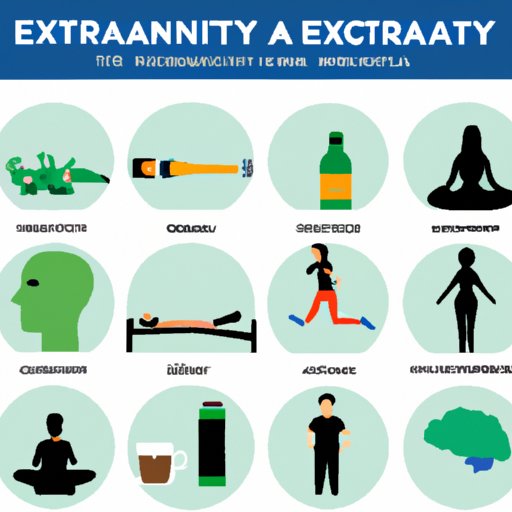
Anxiety can be overwhelming, but it doesn’t have to be unmanageable. By following the tips outlined above, such as exercising regularly, practicing deep breathing or meditation, limiting caffeine and alcohol intake, getting enough sleep, eating a healthy diet, and avoiding stressful situations, you can effectively manage your anxiety and improve your overall well-being.
If your anxiety persists despite these strategies, it’s important to seek professional help. A therapist can help you identify underlying causes of your anxiety and develop healthy coping strategies. With the right help, you can learn to manage your anxiety and live a happier, healthier life.
(Note: Is this article not meeting your expectations? Do you have knowledge or insights to share? Unlock new opportunities and expand your reach by joining our authors team. Click Registration to join us and share your expertise with our readers.)