

Introduction
Artificial intelligence (AI) has been gaining traction in recent years, with applications ranging from autonomous cars to facial recognition software. In the healthcare sector, AI is being used to improve diagnosis accuracy, reduce costs and enhance patient care. In this article, we will explore how AI is being used in healthcare and examine the potential it holds for the future.
Exploring the Potential of Artificial Intelligence in Healthcare
The potential of AI in healthcare is immense. AI-powered technologies can help improve the accuracy of diagnoses, streamline treatments and aid in decision-making. AI can also be used to create personalized medicine tailored to an individual’s unique needs, as well as provide virtual consultations and remote monitoring.
Benefits of AI in Healthcare
AI offers numerous benefits in healthcare, such as improved accuracy of diagnoses and treatments, better patient outcomes, reduced costs, increased efficiency and improved patient experience.
Challenges facing AI in Healthcare
Despite its potential, AI in healthcare is still in its early stages and faces a number of challenges. These include data privacy and security concerns, lack of regulatory framework, and difficulty in developing and deploying AI solutions. Additionally, AI systems require large amounts of data to function properly, which can be difficult to obtain in the healthcare sector.
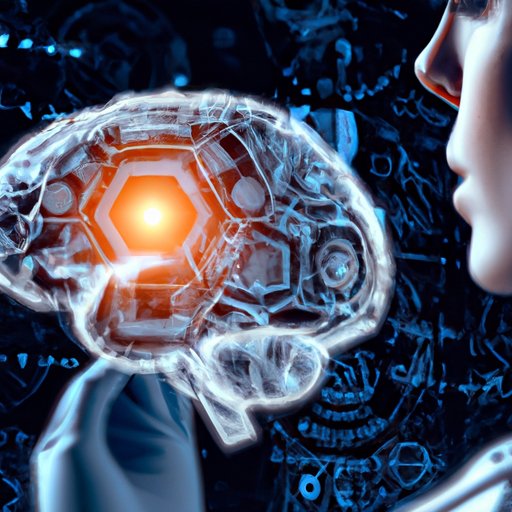
Examining How AI is Streamlining Diagnostics and Treatment
AI-driven diagnostics and treatments are becoming increasingly common in healthcare. AI-assisted decision support systems can analyze vast amounts of medical data to identify patterns and suggest appropriate treatments. AI can also be used to detect diseases earlier and more accurately than traditional methods.
AI-driven diagnosis and treatment
AI-driven diagnosis and treatment can help reduce misdiagnoses and offer faster, more accurate treatments. AI systems can analyze patient records, symptoms and scans to make diagnoses and suggest treatments. AI-driven treatments can also be used to personalize therapies according to individual needs.
AI-assisted decision support
AI-assisted decision support systems can help healthcare providers make informed decisions by providing insights into treatment options and predicting patient outcomes. AI-assisted decision support systems can also help reduce medical errors by providing automated alerts when potential problems are identified.
Understanding the Benefits of AI-Driven Personalized Medicine
AI-driven personalized medicine can help improve patient outcomes by providing tailored treatments based on an individual’s unique health needs. By analyzing a patient’s genetic profile, lifestyle habits and medical history, AI-driven personalized medicine can provide more effective treatments and reduce the risk of adverse reactions.
Improved patient outcomes
Personalized medicine can help improve patient outcomes by providing treatments tailored to an individual’s specific needs. This can help reduce the risk of adverse reactions and ensure that patients receive the most effective treatments possible.
Reduced costs
Personalized medicine can also help reduce healthcare costs. By targeting treatments to an individual’s specific needs, personalized medicine can reduce the need for costly and unnecessary treatments.
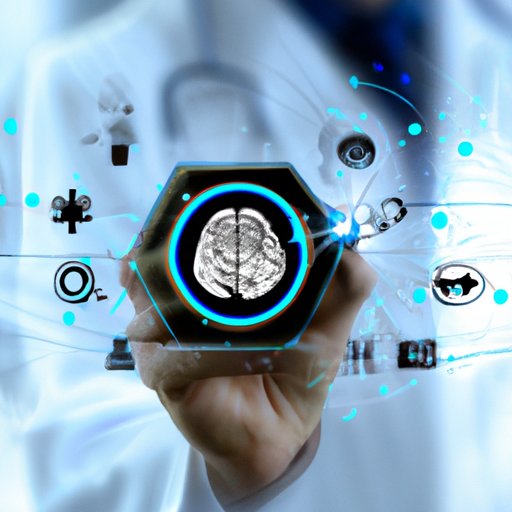
Analyzing the Impact of AI in Medical Imaging
AI-powered medical imaging analysis can help improve the accuracy of diagnoses and reduce the need for costly and time-consuming tests. AI-powered medical imaging analysis can also reduce the risk of human error and help healthcare providers identify potential issues earlier.
Automated medical imaging analysis
AI-powered medical imaging analysis can automate the process of analyzing medical images, such as X-rays and CT scans. AI-powered systems can analyze these images quickly and accurately, reducing the need for manual analysis and helping to identify potential issues earlier.
Improved accuracy of diagnoses
AI-powered medical imaging analysis can help improve the accuracy of diagnoses by providing more detailed and accurate results than traditional methods. This can help healthcare providers make more informed decisions and improve patient outcomes.
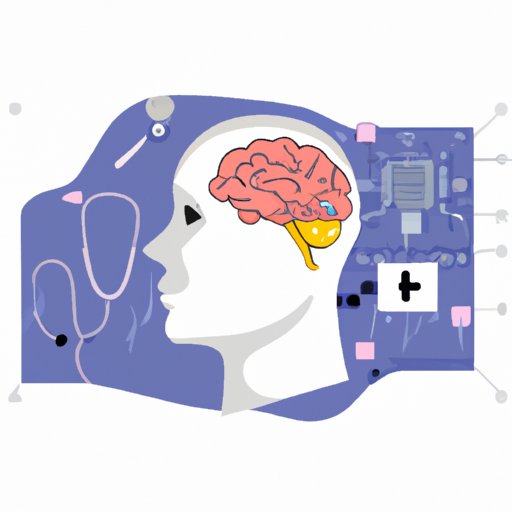
Investigating the Role of AI in Telemedicine
AI-powered telemedicine is revolutionizing the way healthcare is delivered. AI-powered systems can provide remote monitoring and consultation, as well as automated patient follow-ups.
Remote monitoring and consultation
AI-powered telemedicine can enable remote monitoring and consultation, allowing healthcare providers to monitor a patient’s condition from afar. This can help reduce the need for in-person visits and save time and money.
Automated patient follow-ups
AI-powered systems can also be used to automate patient follow-ups. Automated follow-ups can help ensure that patients receive the necessary care and treatment, reducing the risk of complications and improving patient outcomes.
Assessing the Use of AI in Disease Prevention and Management
AI-powered predictive analytics can help healthcare providers identify potential risks and intervene earlier to prevent or manage chronic conditions. AI-powered predictive analytics can also help healthcare providers anticipate patient needs and provide tailored treatments.
Predictive analytics for early detection
AI-powered predictive analytics can help healthcare providers identify potential risks and intervene earlier to prevent or manage chronic conditions. AI-powered systems can analyze patient data and medical records to identify potential issues before they become serious.
Improved management of chronic conditions
AI-powered predictive analytics can also help healthcare providers anticipate patient needs and provide tailored treatments. This can help improve the management of chronic conditions and reduce the risk of complications.
Evaluating the Prospects of AI in Drug Development and Delivery
AI-powered drug development and delivery can help accelerate the drug development process and improve patient outcomes. AI-powered systems can analyze vast amounts of data to identify potential drug targets and automate the delivery of drugs to patients.
Accelerated drug development
AI-powered drug development can help accelerate the drug development process by analyzing vast amounts of data to identify potential drug targets. This can help reduce the time and cost associated with drug development and lead to new treatments more quickly.
Automated drug delivery
AI-powered drug delivery can automate the process of delivering drugs to patients. AI-powered systems can analyze patient records and medical histories to determine the most appropriate dosage and timing of drug delivery, ensuring that patients receive the most effective treatments possible.
Conclusion
AI has the potential to revolutionize healthcare by improving diagnosis accuracy, streamlining treatments, enhancing patient care and reducing costs. AI-powered systems can provide personalized medicine tailored to an individual’s unique needs, automate medical imaging analysis and accelerate drug development. Despite its potential, AI in healthcare is still in its early stages and faces a number of challenges. Healthcare providers should continue to explore the possibilities of AI and work together to overcome these challenges.
(Note: Is this article not meeting your expectations? Do you have knowledge or insights to share? Unlock new opportunities and expand your reach by joining our authors team. Click Registration to join us and share your expertise with our readers.)