

Introduction
Eating healthy is an important part of maintaining a balanced lifestyle. Eating healthy is often associated with weight loss or gaining muscle mass, but it’s also essential for overall health and wellness. Eating healthy means consuming a variety of foods that provide your body with the nutrients it needs to stay healthy. It also involves making smart food choices and understanding the importance of portion sizes. In this article, we’ll discuss the benefits of eating healthy, tips for eating healthy on a budget, and advice for incorporating healthy eating habits into your daily life.
Benefits of Eating Healthy: Exploring the Health Benefits of a Balanced Diet
Eating healthy has a multitude of benefits. Studies have shown that people who eat a nutritious diet are more likely to maintain a healthy weight, have better concentration and focus, and be less susceptible to diseases such as heart disease, diabetes, and certain types of cancer. Let’s take a closer look at some of the benefits of eating healthy.
Nutritional Benefits
Eating a balanced diet provides your body with all the essential vitamins, minerals, and nutrients it needs to function properly. According to Harvard Health Publishing, “A healthy diet should include fruits, vegetables, whole grains, low-fat dairy products, lean protein sources, and nuts and seeds.” These foods are packed with essential vitamins and minerals that support your immune system, regulate your metabolism, and help keep your bones, muscles, and skin healthy. A healthy diet also helps you get enough fiber, which is essential for good digestion.
Physical Benefits
In addition to providing your body with essential vitamins and minerals, eating healthy has many physical benefits. Eating a balanced diet can help you maintain a healthy weight, reduce your risk of chronic diseases, and boost your energy levels. According to Dr. Frank Hu, professor of nutrition and epidemiology at the Harvard T.H. Chan School of Public Health, “The evidence is very clear that people who eat a healthy diet have lower risks of many chronic diseases.” This includes diseases such as heart disease, stroke, type 2 diabetes, and certain types of cancer. Eating healthy can also help improve your physical performance and give you more energy throughout the day.
Mental Benefits
Eating healthy can also have a positive effect on your mental health. Studies have shown that eating a nutritious diet can help reduce stress, improve your mood, and increase your ability to concentrate and focus. According to a study conducted by the University of Warwick, “Eating a healthy diet was positively associated with greater well-being, while unhealthy diets were associated with lower levels of well-being.” Eating healthy can also help reduce symptoms of depression and anxiety.
Eating Healthy: What You Need to Know About Nutrition and Diet
Understanding the basics of nutrition and diet is key to eating healthy. To make sure you’re getting all the essential vitamins and minerals your body needs, you need to understand macronutrients, micronutrients, and caloric intake. Let’s take a closer look at each of these concepts.
Understanding Macronutrients
Macronutrients are nutrients that your body needs in large amounts. The three main macronutrients are carbohydrates, proteins, and fats. Carbohydrates provide your body with energy, proteins help build and repair cells and tissues, and fats help your body absorb vitamins and minerals and provide energy. Eating a balanced diet that includes all three macronutrients is essential for good health.
Understanding Micronutrients
Micronutrients are vitamins and minerals that your body needs in small amounts. They play an important role in your body’s growth, development, and overall health. Some of the most important micronutrients are vitamins A, C, E, and K, as well as calcium, iron, magnesium, and zinc. Eating a variety of fruits, vegetables, and other nutrient-dense foods is the best way to ensure you’re getting enough micronutrients.
Understanding Caloric Intake
Calories are units of energy that your body needs to fuel its daily activities. While calories are essential for survival, eating too many calories can lead to weight gain. To prevent weight gain, it’s important to pay attention to your caloric intake. Eating a balanced diet that includes a variety of healthy foods can help you maintain a healthy weight.

How Eating Healthy Can Help You Lose Weight
If you’re looking to lose weight, eating healthy is an important part of your weight loss plan. Here are some tips for losing weight through healthy eating:
Balancing Calories
To lose weight, you need to create a calorie deficit, which means you need to burn more calories than you consume. Eating a balanced diet that is rich in fruits, vegetables, and lean proteins can help you achieve a calorie deficit without feeling deprived.
Choosing Filling Foods
It’s also important to choose filling foods that will keep you full for longer. Foods like oatmeal, eggs, and beans are high in fiber and protein and can help you feel fuller for longer.
Avoiding Unhealthy Snacks
Snacking is an important part of any healthy diet, but it’s important to choose healthy snacks. Avoid processed snacks like chips and candy, and opt for healthier options like nuts, seeds, and fresh fruit.

Eating Healthy on a Budget: Tips for Saving Money on Nutritious Foods
Eating healthy doesn’t have to be expensive. There are plenty of ways to save money on nutritious foods. Here are some tips for eating healthy on a budget:
Shopping Smart
When shopping for groceries, it’s important to make smart choices. Look for items that are on sale, buy in bulk when possible, and opt for store brands instead of name brands. Shopping at local farmers markets can also be a great way to get fresh produce at a discounted price.
Making Meal Plans
Making meal plans can help you save time and money. Planning out meals in advance can help you avoid buying unnecessary items and sticking to your grocery budget.
Utilizing Coupons
Using coupons is another great way to save money on groceries. Many stores offer coupons for specific items, so take advantage of them whenever possible.
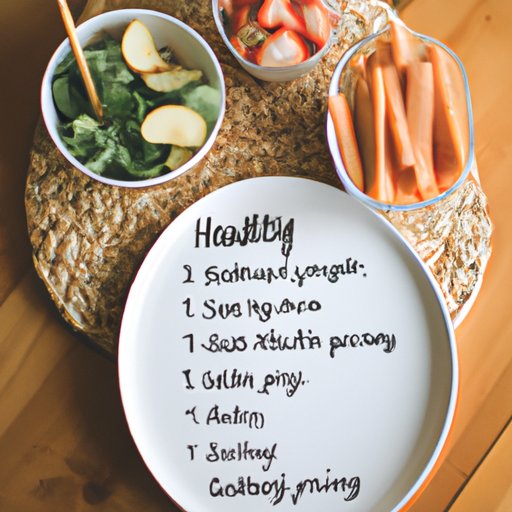
Easy Ways to Incorporate Healthy Eating Habits into Your Daily Life
Making healthy eating a part of your daily routine can be challenging, but it’s not impossible. Here are some easy ways to incorporate healthy eating habits into your daily life:
Preparing Meals Ahead of Time
Meal prepping is one of the easiest ways to make sure you’re eating healthy. Preparing meals ahead of time can help you stick to your diet and save time during the week.
Keeping Track of Food Consumption
Tracking the foods you eat can help you stay on top of your diet. Keeping a food diary or using an app to track your meals can help you make healthier food choices.
Making Healthy Substitutions
Making simple substitutions can help you cut back on calories without sacrificing flavor. For example, switching regular pasta for whole wheat pasta or using Greek yogurt instead of sour cream can make a big difference in your diet.
Exploring the Role of Exercise in Eating Healthy
Exercise plays an important role in eating healthy. Regular exercise can help you maintain a healthy weight, reduce stress, and improve your overall health. Here are some tips for incorporating exercise into your healthy eating plan:
Understanding the Connection Between Exercise and Diet
Exercise and diet go hand in hand. Eating a balanced diet provides your body with the energy it needs to exercise and exercise helps your body use that energy more efficiently.
Using Exercise to Curb Cravings
Exercise can also help you manage cravings. According to a study published in the journal Appetite, “Exercise may reduce the urge to eat by decreasing hunger hormones and increasing the production of appetite-suppressing hormones.”
Incorporating Exercise into Your Routine
Finding ways to incorporate exercise into your daily routine is key to staying healthy. Start by adding a few minutes of exercise to your day, then gradually increase the amount of time you spend exercising.
Understanding Food Labels: What You Need to Know About Making Healthy Choices
Reading food labels is an important part of making healthy food choices. Food labels provide information about the ingredients and nutritional content of a food, which can help you make informed decisions about what to buy and eat. Here are some tips for understanding food labels:
Reading Ingredients Lists
Ingredients lists can help you identify unhealthy ingredients, such as added sugars and trans fats. When reading an ingredients list, look for words like sugar, corn syrup, partially hydrogenated oil, and high fructose corn syrup, which are all indicators of unhealthy ingredients.
Identifying Added Sugars
Added sugars are often hidden in foods that appear to be healthy. To identify added sugars, look for words like sucrose, dextrose, and glucose. Eating too much added sugar can lead to health problems such as obesity, diabetes, and heart disease.
Checking Serving Sizes
Serving sizes are important to consider when reading food labels. Pay attention to the serving size listed on the label and compare it to the amount you’re actually eating. This will help you get an accurate picture of the nutritional content of the food.
Conclusion
Eating healthy can have a major impact on your physical, mental, and nutritional health. Eating a balanced diet that includes a variety of nutritious foods can help you maintain a healthy weight, reduce your risk of chronic diseases, and improve your overall well-being. Understanding the basics of nutrition and diet is key to eating healthy, and there are plenty of ways to save money on nutritious foods. Finally, exercise can help you manage cravings and stay fit. By following these tips, you can easily incorporate healthy eating habits into your daily life.
(Note: Is this article not meeting your expectations? Do you have knowledge or insights to share? Unlock new opportunities and expand your reach by joining our authors team. Click Registration to join us and share your expertise with our readers.)