

Introduction
If you’re a woman who travels often, you may have noticed some changes in your menstrual cycle. It’s not uncommon for your period to be a bit irregular when you’re constantly on the go. But what’s really happening? Here, we’ll explore the effects of travel on your menstrual cycle and provide tips to help you stay on track.
Definition of Menstrual Cycle
The menstrual cycle is the regular process that a woman’s body goes through each month as it prepares for potential pregnancy. It typically lasts 21-35 days, although this varies from person to person. During the cycle, hormones like estrogen and progesterone fluctuate, causing physical and emotional changes.
How Traveling Can Impact Your Menstrual Cycle
When you travel, your body has to adjust to the changes around you. This includes the time zone, climate, altitude, and stress levels. All of these factors can disrupt your menstrual cycle, resulting in late or missed periods, spotting, and other changes.
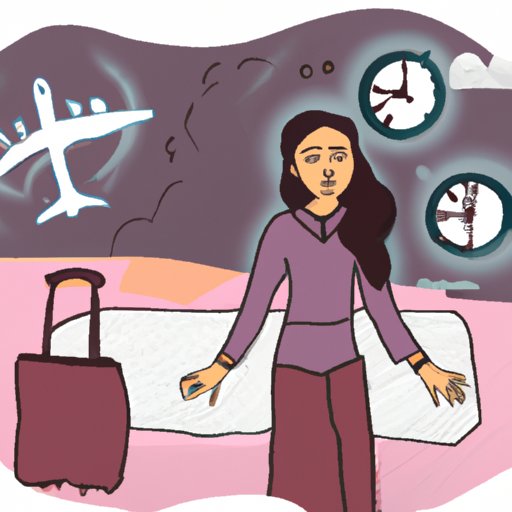
Exploring the Effects of Jet Lag on Your Period
Jet lag is a common symptom of long-distance travel, and it can have a major impact on your menstrual cycle. Here’s what you need to know about jet lag and how it affects your body.
What is Jet Lag?
Jet lag is a condition that results from flying across multiple time zones. When you travel, your body’s internal clock (also known as its circadian rhythm) is thrown off balance. As a result, you may experience fatigue, difficulty sleeping, irritability, digestive issues, and other symptoms.
How Jet Lag Affects Your Body
Jet lag can have a significant impact on your body’s hormones, which can affect your menstrual cycle. For example, your body produces melatonin, a hormone that helps regulate your sleep cycle. Jet lag can throw off your melatonin production, resulting in late or missed periods.
Tips to Minimize Jet Lag’s Effects on Your Menstrual Cycle
Here are some tips to help minimize the effects of jet lag on your menstrual cycle:
- Adjust your sleep schedule before you travel by going to bed and waking up gradually earlier or later depending on your destination.
- Stay hydrated and avoid caffeine and alcohol during your flight.
- Get plenty of rest and exercise regularly.
- Limit exposure to blue light from electronic devices.
- Take breaks throughout the day to rest and reset.
The Benefits of Tracking Your Menstrual Cycle While Travelling
Tracking your menstrual cycle can help you better understand how travel affects your body. Here’s why tracking your cycle is important and how to do it.
Why Track Your Menstrual Cycle
Tracking your menstrual cycle can help you identify patterns in your cycle, such as when you ovulate or experience PMS symptoms. This can help you anticipate when your period will arrive and plan accordingly. It can also help you recognize if there are any changes in your cycle due to travel.
Types of Apps & Tools to Help Track Your Menstrual Cycle
There are a variety of apps and tools available to help you track your menstrual cycle. Many of these apps allow you to log data about your cycle, including when you start and end your period, your PMS symptoms, and your fertility window. Some even allow you to record notes about your travel experiences and other lifestyle factors that could be affecting your cycle.
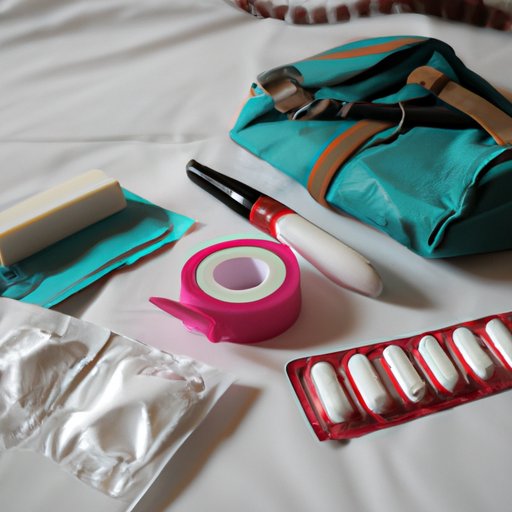
How to Prepare for your Period While Travelling
It’s important to be prepared when you’re travelling and expecting your period. Here are some tips to help you stay on top of your period while travelling.
Pack the Right Supplies
Be sure to pack enough menstrual products for your entire trip. You should also bring a heating pad or hot water bottle to help relieve cramps and other period-related pain. Additionally, consider packing essential oils or natural remedies to help reduce stress and anxiety.
Monitor Your Stress Levels
Traveling can be stressful, so be sure to take breaks throughout the day and prioritize self-care. Try to get plenty of sleep and exercise regularly to help lower your stress levels. If you find yourself feeling overwhelmed, take a few moments to practice deep breathing or mindfulness activities.
Stay Hydrated
Staying hydrated is key to keeping your menstrual cycle on track. Aim to drink at least 8 glasses of water a day, especially when you’re travelling. Dehydration can make your period more painful and can cause other health issues.
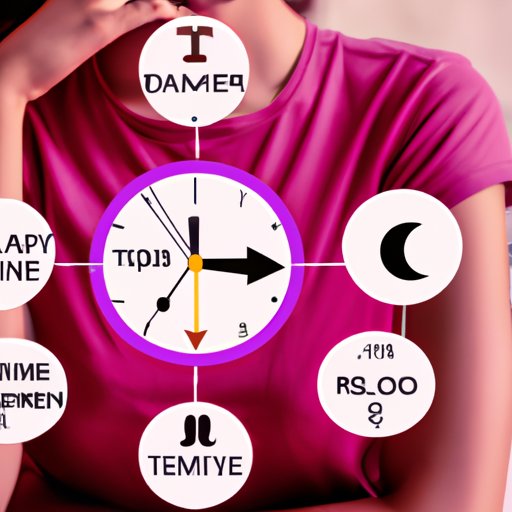
How Changing Time Zones Can Affect Your Menstrual Cycle
Travelling between different time zones can affect your menstrual cycle in a variety of ways. Here’s what you need to know.
Potential Consequences
Changing time zones can disrupt your body’s circadian rhythm, resulting in late or missed periods. It can also cause other symptoms, such as fatigue, headaches, and digestive issues. In extreme cases, it can lead to amenorrhea, a condition in which you don’t have a period for three months or longer.
How to Adapt to Changing Time Zones
The best way to adapt to changing time zones is to gradually adjust your sleep schedule. Start going to bed and waking up earlier or later depending on your destination. Additionally, try to limit your exposure to blue light from electronic devices, as this can disrupt your sleep cycle.
What to Expect When You’re Traveling and On Your Period
When you’re travelling and on your period, you may experience some common symptoms. Here’s what to expect and how to manage them.
Common Symptoms
Common symptoms of travelling while on your period include bloating, cramps, fatigue, mood swings, and headaches. These symptoms may be worse than usual due to the stress of travelling and changes in your environment.
Ways to Manage Symptoms
To manage your symptoms, it’s important to focus on self-care. Get plenty of rest and exercise regularly. Avoid processed foods and sugary snacks, as these can exacerbate bloating and other symptoms. Additionally, be sure to drink lots of water and take breaks throughout the day to relax and reset.
A Guide to Managing Period Symptoms While Travelling
Managing period symptoms while travelling can be challenging, but it’s possible with the right strategies. Here’s a guide to help you manage your symptoms.
Pain Relief Options
If you’re experiencing cramps and other pain, there are several options to help relieve your discomfort. Over-the-counter medications like ibuprofen and acetaminophen can help reduce pain and inflammation. Alternatively, you can use a heating pad or take a warm bath to relax your muscles and ease tension. Natural remedies like ginger tea and essential oils may also be helpful.
Dealing With Bloating & Other Discomfort
Bloating is common during your period, and it can be exacerbated by travelling. To reduce bloating, avoid processed foods and opt for high-fiber foods like vegetables and whole grains. Drinking plenty of water can also help flush out excess salt and toxins, which can reduce bloating and other discomfort.
Tips to Reduce Stress & Anxiety
Travelling can be stressful, so it’s important to take steps to reduce stress and anxiety. Meditation and mindfulness activities can help you stay grounded and focused. Additionally, engage in activities that bring you joy, like listening to music or spending time in nature. Don’t forget to take breaks throughout the day to rest and reset.
Conclusion
Traveling can have a major impact on your menstrual cycle. Jet lag and changing time zones can cause late or missed periods, as well as other symptoms like bloating and fatigue. Fortunately, there are steps you can take to minimize the effects of travel on your menstrual cycle. Tracking your cycle and preparing for your period can help you stay on top of your cycle while travelling. With the right strategies, you can manage your period symptoms and enjoy your journey.
Summary of Key Points
Traveling can affect your menstrual cycle in a variety of ways, including jet lag, changing time zones, and stress levels. Tracking your cycle and preparing for your period can help you stay on top of your cycle while travelling. There are a variety of apps and tools available to help you track your cycle and manage symptoms. Finally, focus on self-care and take breaks throughout the day to reduce stress and anxiety.
Final Thoughts
Travelling can be an exciting and rewarding experience, and understanding how it can affect your menstrual cycle can help you stay on top of your cycle while you’re on the go. With the right strategies and preparation, you can manage your period symptoms and enjoy your journey.
(Note: Is this article not meeting your expectations? Do you have knowledge or insights to share? Unlock new opportunities and expand your reach by joining our authors team. Click Registration to join us and share your expertise with our readers.)