

Introduction
Traveling can be an exciting experience, but it can also come with some unexpected side effects, such as constipation. Constipation is a common digestive problem that affects millions of people around the world. It can be uncomfortable, inconvenient, and even painful. But what exactly is constipation, and how does traveling contribute to it?
What is Constipation?
Constipation is a condition in which a person has difficulty passing stools or experiences infrequent bowel movements. It can be caused by a variety of factors, including dietary issues, lifestyle choices, medical conditions, medications, and emotional stress. Symptoms of constipation include abdominal pain, bloating, nausea, and feeling full quickly after eating. Severe cases of constipation can lead to serious health problems, such as fecal impaction.
How Does Traveling Contribute to Constipation?
The physical and emotional changes that come with traveling can have a significant impact on your digestive system. For example, dehydration, lack of fiber, changes in diet, sedentary lifestyle, stress, and certain medications can all contribute to constipation. Additionally, when you travel, you are often away from your regular routine, which can disrupt your digestive system.
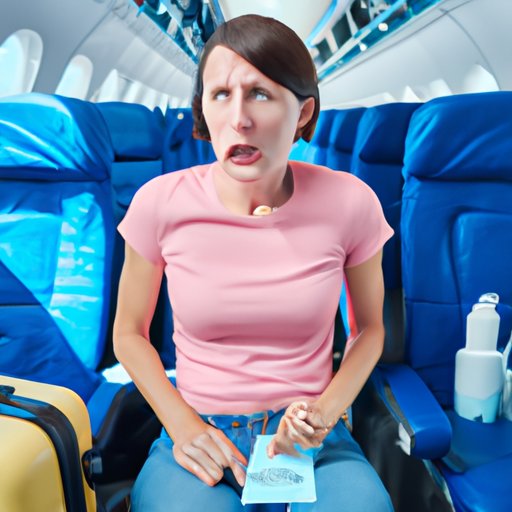
Exploring Causes of Constipation While Traveling
Let’s take a closer look at some of the most common causes of constipation while traveling.
Dehydration
Dehydration is one of the leading causes of constipation. When your body isn’t getting enough fluids, your colon absorbs more water from the stool, making it harder to pass. Drinking plenty of water is essential for keeping your digestive system running smoothly.
Lack of Fiber
Fiber is an important part of a healthy diet. It helps keep your digestive system functioning properly and can help prevent constipation. When you’re traveling, it can be difficult to get enough fiber in your diet, so it’s important to make sure you’re eating high-fiber foods.
Changes in Diet
When you travel, you’re likely to be eating different foods than you normally would at home. These changes in diet can affect your digestive system and lead to constipation. Eating a balanced diet with plenty of fruits, vegetables, and whole grains can help keep your digestive system running smoothly.
Sedentary Lifestyle
When you’re traveling, you may find yourself sitting for long periods of time. This sedentary lifestyle can lead to constipation, as it slows down digestion and makes it harder for your body to pass stool. To avoid this, try to stay active while you’re traveling, even if it’s just taking short walks throughout the day.
Stress
Stress is another common cause of constipation, especially while traveling. Stress can interfere with digestion and slow down the process of passing stool. To avoid this, make sure to take time to relax and manage your stress levels while you’re traveling.
Medications
Certain medications can also contribute to constipation, such as pain medications, antacids, and antidepressants. If you’re taking any of these medications, talk to your doctor about ways to manage constipation.

How to Avoid Constipation on Vacation
Fortunately, there are several steps you can take to avoid constipation while traveling. Here are some tips for avoiding constipation on vacation.
Increase Water Intake
Staying hydrated is key to avoiding constipation. Make sure to drink plenty of water throughout the day while you’re traveling. Avoid sugary drinks and alcohol, as these can contribute to dehydration.
Eat High-Fiber Foods
Eating high-fiber foods is an important part of preventing constipation. Some good sources of fiber include fruits, vegetables, beans, nuts, and whole grains. Try to incorporate these into your diet while you’re traveling.
Exercise
Exercise is also important for keeping your digestive system running smoothly. Even if you’re traveling, make sure to find time to get some physical activity. This could be something as simple as taking a walk or doing some stretching.
Stick to a Regular Schedule
Try to stick to a regular schedule while you’re traveling. This means going to bed and waking up at the same time each day, as well as eating meals at the same times. This will help keep your digestive system running smoothly.
Manage Stress
Stress can take a toll on your digestive system, so it’s important to manage it while you’re traveling. Take time to relax and unwind, and don’t forget to practice deep breathing and other relaxation techniques.

Tips for Managing Constipation While Traveling
If you do experience constipation while traveling, there are several things you can do to manage it. Here are some tips for managing constipation while traveling.
Take Probiotics
Probiotics are beneficial bacteria that can help improve digestion and reduce constipation. Taking a daily probiotic supplement can help keep your digestive system running smoothly.
Use Over-the-Counter Remedies
There are several over-the-counter remedies available to help relieve constipation. Ask your doctor or pharmacist for recommendations, or read the label carefully before taking any medication.
Try Natural Remedies
There are also several natural remedies that can help relieve constipation. Some of these include drinking prune juice, eating yogurt, and taking herbs such as ginger and senna.
Is Constipation Common During Travel?
According to a study published in the journal Gastroenterology & Hepatology, up to 40% of travelers experience constipation while on vacation. This suggests that constipation is a common issue for many travelers.
Statistics
The study found that travelers who reported constipation were more likely to have been on a longer trip (more than 30 days) and to have stayed in a hotel or resort. They were also more likely to have traveled to a warmer climate, taken fewer vacations in the past year, and eaten fewer meals at restaurants.
Possible Reasons
There are several possible reasons why constipation is so common among travelers. These include changes in diet, dehydration, lack of exercise, and stress. Additionally, travelers may be more likely to eat unhealthy foods or skip meals while on vacation, which can contribute to constipation.
Ways to Reduce the Risk of Constipation When Traveling
Fortunately, there are several steps you can take to reduce the risk of constipation while traveling. Here are some tips for reducing your risk of constipation while traveling.
Drink Plenty of Fluids
Staying hydrated is key to avoiding constipation. Make sure to drink plenty of water throughout the day while you’re traveling. Avoid sugary drinks and alcohol, as these can contribute to dehydration.
Include Fiber-Rich Foods
Eating high-fiber foods is an important part of preventing constipation. Some good sources of fiber include fruits, vegetables, beans, nuts, and whole grains. Try to incorporate these into your diet while you’re traveling.
Get Moving
Exercise is also important for keeping your digestive system running smoothly. Even if you’re traveling, make sure to find time to get some physical activity. This could be something as simple as taking a walk or doing some stretching.
Stay Hydrated
Staying hydrated is essential for keeping your digestive system running smoothly. Make sure to drink plenty of water throughout the day while you’re traveling. Avoid sugary drinks and alcohol, as these can contribute to dehydration.
What Can You Do to Prevent Constipation During a Trip?
To prevent constipation while traveling, it’s important to monitor your diet, stay active, and seek medical help if necessary. Here are some tips for preventing constipation during a trip.
Monitor Your Diet
Make sure to eat a balanced diet while you’re traveling. Eat plenty of fruits, vegetables, and whole grains, and limit your intake of processed foods and sugary drinks. Avoid skipping meals, as this can lead to constipation.
Stay Active
Exercise is important for keeping your digestive system running smoothly. Even if you’re traveling, make sure to find time to get some physical activity. This could be something as simple as taking a walk or doing some stretching.
Seek Medical Help
If you’re experiencing severe constipation, it’s important to seek medical help. Talk to your doctor about your symptoms and ask for advice on how to manage them.
Understanding How Travel May Trigger Constipation
Traveling can be an exciting and rewarding experience, but it can also come with some unexpected side effects, such as constipation. Let’s take a closer look at how travel may trigger constipation.
Physiological Changes
The physical and emotional changes that come with traveling can have a significant impact on your digestive system. For example, dehydration, lack of fiber, changes in diet, sedentary lifestyle, stress, and certain medications can all contribute to constipation.
Stress
Stress is another common cause of constipation, especially while traveling. Stress can interfere with digestion and slow down the process of passing stool. To avoid this, make sure to take time to relax and manage your stress levels while you’re traveling.
Diet
When you travel, you’re likely to be eating different foods than you normally would at home. These changes in diet can affect your digestive system and lead to constipation. Eating a balanced diet with plenty of fruits, vegetables, and whole grains can help keep your digestive system running smoothly.
Conclusion
Traveling can be an enjoyable experience, but it can also come with some unexpected side effects, such as constipation. Fortunately, there are several steps you can take to avoid and manage constipation while traveling. By staying hydrated, eating a balanced diet, exercising regularly, and managing stress, you can reduce your risk of constipation and enjoy your trip.
(Note: Is this article not meeting your expectations? Do you have knowledge or insights to share? Unlock new opportunities and expand your reach by joining our authors team. Click Registration to join us and share your expertise with our readers.)