
Introduction
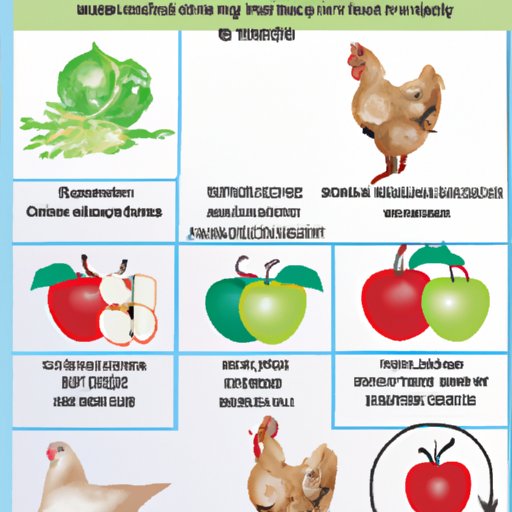
Chickens are omnivores, meaning that they can eat both plants and animals. As such, there is a wide variety of foods that chickens can enjoy. One food that is often overlooked, however, is apples. Apples are a great source of nutrition for chickens, but it’s important to know how to feed them safely in order to avoid any potential health risks. This article will explore the benefits and risks of adding apples to a chicken’s diet, as well as how to safely introduce them.

How to Feed Apples to Your Chickens: A Guide
Feeding apples to your chickens is a relatively simple process, but there are some important steps that you should take to ensure their safety. Here is a guide to help you get started:
Choosing the Right Apples
The first step is to choose the right type of apple. The best apples for chickens are those that are organic and free from pesticides. You should also avoid apples that have been waxed or treated with any chemicals. Additionally, you should make sure to select apples that are ripe and free from bruises or blemishes.
Preparing Apples for Chickens
Once you have selected the right apples, it’s time to prepare them for your chickens. You should start by washing the apples thoroughly to remove any dirt, pesticides, or other contaminants. Then, you should cut the apples into small pieces so that they are easier for the chickens to eat. It’s important to remove the seeds and core of the apple, as these can be dangerous for chickens if ingested.
Feeding Apples to Chickens
Once the apples are prepared, you can start feeding them to your chickens. You can either give the apples directly to the chickens or add them to their regular feed. If you are giving them directly to the chickens, you should make sure to supervise them while they eat to ensure that they don’t choke on the pieces. Additionally, you should only offer a few pieces of apple at a time so that the chickens don’t fill up on them and ignore their regular feed.
The Benefits of Adding Apples to a Chicken’s Diet
In addition to being a tasty treat, apples can provide a number of benefits to a chicken’s diet. Here are just a few of the benefits of adding apples to your chicken’s diet:
Nutrients and Vitamins
Apples are a great source of nutrients and vitamins for chickens. According to a study published in the Journal of Applied Poultry Research, apples are a good source of dietary fiber, carbohydrates, and vitamins A and C. These nutrients and vitamins are essential for a healthy and balanced diet for chickens.
Improved Digestion
Apples can also help improve a chicken’s digestion. The dietary fiber found in apples can help stimulate the digestive system and keep it running smoothly. Additionally, apples can help reduce the risk of digestive problems such as constipation or diarrhea.
Variety in Diet
Finally, adding apples to a chicken’s diet can help add variety to their meals. Most chickens are fed the same foods every day, which can become boring for them. Offering apples as a treat can help keep their diets interesting and varied.
The Risks of Feeding Apples to Chickens
While apples can provide a number of benefits to a chicken’s diet, there are also some risks associated with feeding them to chickens. Here are a few of the risks to consider when feeding apples to chickens:
Pesticides
As mentioned above, it’s important to choose organic apples that are free from pesticides. Pesticides can be toxic to chickens and can lead to serious health problems if ingested. If you are unsure of whether or not the apples have been treated with any chemicals, it’s best to avoid feeding them to your chickens.
Seeds and Core
The seeds and core of an apple can be dangerous for chickens if ingested. The seeds contain cyanide, which can be toxic for chickens. Additionally, the core can be a choking hazard. For this reason, it’s important to remove the seeds and core before feeding apples to your chickens.
Mold
Finally, mold can be a concern when feeding apples to chickens. Mold can grow on apples that are stored for too long, and can be toxic for chickens if ingested. To prevent mold from growing on the apples, it’s important to store them in a cool, dry place and use them within a few days of purchase.

How to Safely Introduce Apples to Your Chickens
Now that you are aware of the benefits and risks of feeding apples to your chickens, it’s time to learn how to safely introduce them. Here are a few tips to help you get started:
Cleaning the Apples
As mentioned above, it’s important to wash the apples thoroughly to remove any dirt, pesticides, or other contaminants. This is especially important if the apples were purchased from a store or market. Additionally, you should inspect the apples for signs of mold or damage before feeding them to your chickens.
Starting with Small Amounts
When introducing apples to your chickens, it’s best to start with small amounts. Offer a few pieces at a time and monitor your chickens to make sure they are eating them. This will help you determine whether or not the apples agree with your chickens before offering larger amounts.
Gradually Increasing the Amount
Once your chickens have adjusted to the apples, you can gradually increase the amount. Start by offering a few more pieces each day, and monitor your chickens’ reactions. Once they seem comfortable with the apples, you can start offering them more regularly.

What to Consider When Feeding Apples to Chickens
When feeding apples to your chickens, there are a few things to consider. Here are a few of the most important factors to keep in mind:
Age of the Chickens
It’s important to consider the age of your chickens when feeding apples. Younger chickens may not have fully developed digestive systems, so it’s best to wait until they are older before introducing apples. Additionally, some breeds of chickens may be more sensitive to certain foods than others, so it’s important to research your breed before feeding them apples.
Availability of Other Foods
It’s also important to consider the availability of other foods when feeding apples to your chickens. Apples should not be used as a replacement for a balanced diet, so it’s important to make sure that your chickens are still receiving all of the necessary nutrients from other sources. Additionally, you should not feed your chickens too many treats, as this can lead to health issues.
Possible Allergies
Finally, it’s important to consider the possibility of allergies when feeding apples to your chickens. Some chickens may be allergic to apples, so it’s important to monitor your chickens closely for any signs of an allergic reaction. If you notice any signs of an allergic reaction, stop feeding the apples immediately and consult a veterinarian.
Conclusion
Adding apples to a chicken’s diet can provide a number of benefits, including improved digestion, additional nutrients and vitamins, and variety in their diet. However, it’s important to be aware of the risks associated with feeding apples to chickens, such as pesticides, seeds and cores, and mold. By following the tips outlined in this article, you can safely introduce apples to your chickens and ensure that they get the nutrition they need.
Overall, apples can be a great addition to a chicken’s diet, but it’s important to understand the risks and how to safely introduce them. With the right precautions and knowledge, you can ensure that your chickens get the nutrition they need while avoiding potential health risks.
(Note: Is this article not meeting your expectations? Do you have knowledge or insights to share? Unlock new opportunities and expand your reach by joining our authors team. Click Registration to join us and share your expertise with our readers.)