

Introduction
The concept of Bitcoin mining has gained immense popularity over the years. It is a process that involves verifying and adding transactions to the public ledger called the blockchain. In exchange for this service, miners are rewarded with a certain amount of Bitcoin. But what does it take to mine Bitcoin? What are the pros and cons of Bitcoin mining? This article will explore these questions in detail.

Exploring the Basics of Bitcoin Mining
Bitcoin mining is the process of verifying and adding new transactions to the blockchain. This is done by solving complex mathematical problems using powerful computers. The miner who solves the problem first is rewarded with a certain amount of Bitcoin. The reward is halved every 210,000 blocks, which is roughly every 4 years.
When a miner finds a valid solution to the problem, they broadcast it to the network. Other miners then verify the solution, and if it is accepted, the new block is added to the blockchain. In addition to the block reward, miners also receive transaction fees for each transaction that is included in the block.
The Pros and Cons of Bitcoin Mining
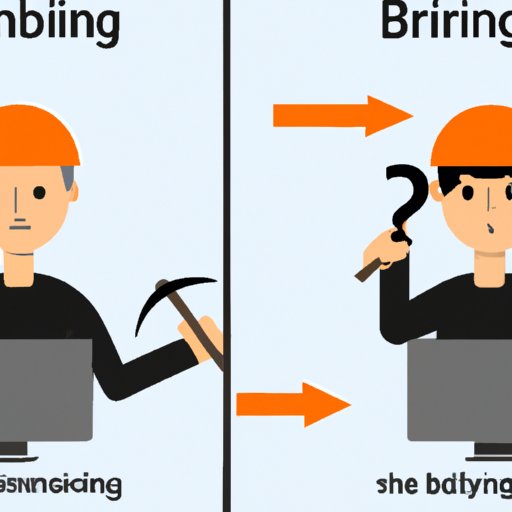
Bitcoin mining offers several advantages. For starters, it is a decentralized system, meaning there is no central authority controlling it. Additionally, miners are rewarded with Bitcoin for their efforts, allowing them to potentially make a profit. Finally, it is a secure system, as any changes made to the blockchain require consensus from the network.
On the other hand, there are some drawbacks to Bitcoin mining. For one, it requires a significant amount of energy, as the miners need to run their computers continuously. Additionally, it is becoming increasingly difficult to mine Bitcoin due to the increasing complexity of the mathematical problems. As such, miners need to invest in more powerful and expensive hardware in order to remain competitive.
Exploring the Technical Aspects of Bitcoin Mining
In order to mine Bitcoin, miners need to have a strong understanding of the technical aspects involved. This includes understanding the complexity of the mathematical problems, the necessary hardware and software requirements, and the cost and time commitment involved.
The mathematical problems that miners need to solve are incredibly complex. They require a significant amount of computing power and energy in order to be solved. As such, miners need to invest in powerful computers and specialized software in order to remain competitive.
In addition to the hardware and software requirements, miners also need to consider the cost and time commitment involved. Depending on the difficulty of the problem, it can take anywhere from minutes to hours to find a valid solution. As such, miners need to be prepared to dedicate a significant amount of time and resources in order to remain profitable.
Assessing the Potential for Profits in Bitcoin Mining
One of the main motivations for miners is the potential for profits. To assess the potential for profits, miners need to analyze the market prices and difficulty levels. They also need to identify the best strategies for making money, such as joining a mining pool or investing in cloud mining services.
The market prices for Bitcoin fluctuate constantly, and miners need to monitor these prices in order to maximize their profits. Additionally, miners need to be aware of the current difficulty level of the network. If the difficulty level is too high, it may not be worth it to mine Bitcoin.
Finally, miners should consider joining a mining pool or investing in cloud mining services. These services allow miners to combine their processing power in order to increase their chances of finding a valid solution. Additionally, they can also help to reduce the costs associated with mining.
Comparing Bitcoin Mining to Other Cryptocurrency Mining Methods
Another important factor to consider is how Bitcoin mining compares to other cryptocurrency mining methods. There are several different types of mining algorithms, each of which requires different hardware and software. Additionally, each cryptocurrency has its own reward structure, which can affect the profitability of mining.
For example, Bitcoin uses a proof-of-work algorithm, which requires miners to solve complex mathematical problems in order to verify transactions. On the other hand, Ethereum uses a proof-of-stake algorithm, which rewards miners based on their stake in the network. As such, miners need to carefully evaluate the different mining algorithms and reward structures before deciding which cryptocurrency to mine.
Examining the Impact of Bitcoin Mining on the Environment
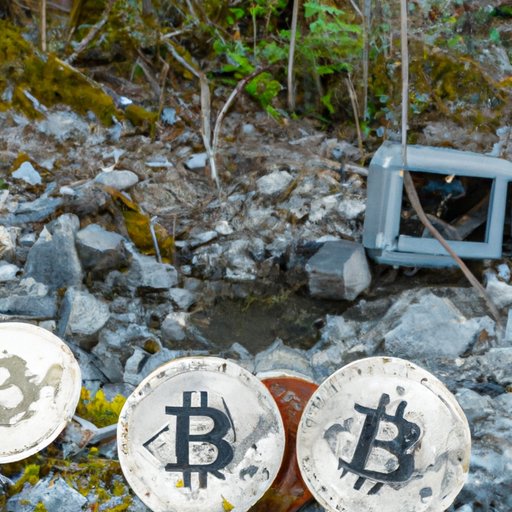
Finally, miners need to consider the environmental impact of Bitcoin mining. As mentioned earlier, Bitcoin mining requires a significant amount of energy. This energy is typically generated by burning fossil fuels, which contributes to climate change. Additionally, the hardware used in mining generates a large amount of waste, which can pollute the environment.
Fortunately, there are ways to reduce the environmental impact of Bitcoin mining. For example, miners can switch to renewable energy sources, such as solar and wind power. Additionally, they can use more efficient hardware and software in order to reduce energy consumption. Finally, they can join mining pools, which can help to reduce the amount of waste generated by mining.
Identifying the Best Resources for Learning About Bitcoin Mining
If you’re interested in learning more about Bitcoin mining, there are several online resources that can help. Online tutorials and communities can provide a wealth of information about the technical aspects of mining. Additionally, participating in online forums and discussions can help to gain insight into the latest trends in the industry.
Finally, attending conferences and events related to Bitcoin and cryptocurrency can also be beneficial. These events provide an opportunity to meet and network with experienced miners and industry professionals.
Conclusion
In conclusion, Bitcoin mining is a complex process that requires a strong understanding of the technical aspects involved. Miners need to invest in powerful hardware and software in order to remain competitive. Additionally, they need to consider the potential for profits, as well as the environmental impacts of mining. Finally, there are several online resources available for those who wish to learn more about Bitcoin mining.
Overall, Bitcoin mining is a potentially lucrative endeavor, but it also comes with its own set of risks. Miners need to carefully weigh the pros and cons before deciding whether or not to pursue it as a source of income.
(Note: Is this article not meeting your expectations? Do you have knowledge or insights to share? Unlock new opportunities and expand your reach by joining our authors team. Click Registration to join us and share your expertise with our readers.)