

Introduction
In an increasingly digital world, more and more people are finding themselves feeling alone and disconnected. This phenomenon is particularly evident in the younger generations who have grown up surrounded by technology and digital communication. As a result, the question “are you there?” has become increasingly relevant as people grapple with feelings of loneliness and disconnection in the modern era.
The purpose of this article is to explore loneliness and disconnection in the digital age. We will discuss how technology has changed our sense of presence and connection, the impact of social media on relationships, and the benefits and drawbacks of bridging physical distance with technology. We will also look at how communication styles have shifted as a result of digital communication, with an emphasis on the pros and cons of this shift.
Exploration of Loneliness and Disconnection in the Digital Age
Loneliness and disconnection have been defined as “the subjective experience of feeling isolated, without companionship or support” (Hawkley et al., 2010). In the digital age, these feelings can be amplified due to the lack of physical contact and presence that comes with digital communication. This phenomenon has been described as “technological loneliness”, which is a type of loneliness that arises from “the use of technology to substitute for face-to-face contact” (Cacioppo et al., 2007).
How we interact with each other and our environment has drastically changed since the rise of digital communication. Technology has enabled us to maintain connections over long distances, but it has also altered our sense of presence and connection. For example, it has been argued that the use of social media has led to a decrease in meaningful connections and an increase in superficial interactions (Manago et al., 2018). This can lead to feelings of loneliness and disconnection, as people struggle to form close, meaningful connections with each other.
Social media has also been linked to a decrease in self-esteem and an increase in anxiety levels (Kross et al., 2013). This is likely due to the fact that people tend to compare their lives to those of others, which can lead to feelings of inadequacy and insecurity. The prevalence of online bullying and harassment has also contributed to feelings of loneliness and disconnection, as people feel increasingly unsafe and unsupported in the digital world.
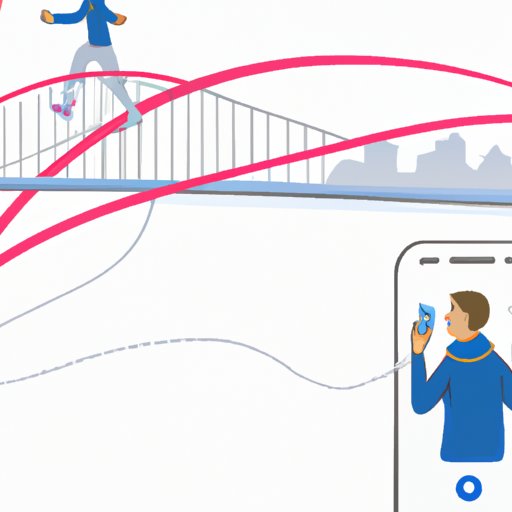
Bridging Physical Distance with Technology
The rise of digital communication has also enabled us to bridge physical distance and stay connected with each other. Video calls, instant messaging, and social media platforms allow us to maintain relationships with friends and family even when we are geographically apart. This has been especially beneficial during the COVID-19 pandemic, as technology has allowed us to stay connected despite physical distancing restrictions.
However, there are both benefits and drawbacks to bridging physical distance with technology. While technology can help us stay connected, it can also lead to a false sense of connection and a lack of emotional intimacy (Valkenburg et al., 2017). Additionally, there is a risk of overreliance on technology, which can lead to a feeling of disconnection with the physical world and a decrease in face-to-face interactions (Manago et al., 2018).
Shift in Communication Styles
The rise of digital communication has also resulted in a shift in communication styles. Texting, emailing, and social media platforms have become the primary means of communication for many people, which has led to a decrease in face-to-face interactions (Valkenburg et al., 2017). Additionally, digital communication often relies on shorter, more concise messages than traditional communication, which can lead to a lack of emotional depth in conversations (Manago et al., 2018).
There are both pros and cons to this shift in communication styles. On one hand, digital communication can be faster and more convenient than traditional communication, and it allows us to stay connected with people across long distances. On the other hand, digital communication can lead to misunderstandings and miscommunications, as tone and body language are often lost in translation (Valkenburg et al., 2017). Additionally, digital communication can take away from the physical presence and emotional intimacy of face-to-face interactions.
Conclusion
In conclusion, we have explored loneliness and disconnection in the digital age. We discussed how technology has changed our sense of presence and connection, the impact of social media on relationships, and the benefits and drawbacks of bridging physical distance with technology. We also looked at how communication styles have shifted as a result of digital communication, with an emphasis on the pros and cons of this shift.
Overall, technology can be a powerful tool for staying connected and bridging physical distance, but it is important to remember that it cannot replace the human connection and emotional intimacy of face-to-face interactions. It is also essential to remember that technology can be a double-edged sword, and it is important to use it responsibly and be mindful of the potential impacts it can have on our mental health.
We should strive to find a balance between using technology to stay connected and maintaining physical presence and emotional intimacy in our relationships. By doing so, we can create meaningful connections with others and combat feelings of loneliness and disconnection in the digital age.
(Note: Is this article not meeting your expectations? Do you have knowledge or insights to share? Unlock new opportunities and expand your reach by joining our authors team. Click Registration to join us and share your expertise with our readers.)