
Introduction
Water is essential for life, but it can also be a source of contamination and disease if it’s not properly managed. That’s why it’s important to make sure that the water we drink, bathe in, and use for cooking is safe and sanitary. In this article, we’ll explore the steps you can take to ensure that your water is safe and free from contaminants.

Analyzing the Water Quality: What Tests You Should Run to Ensure Water Sanitation
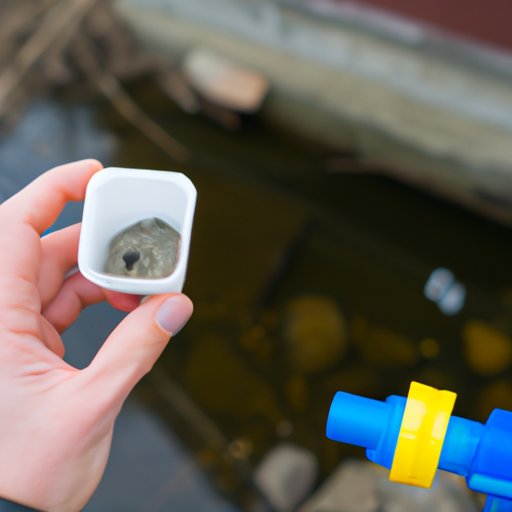
The first step to ensuring water safety is to analyze the water quality. There are several tests that can be used to determine the safety and sanitary condition of water. These tests measure a variety of factors, including pH level, chlorine levels, nitrate levels, and bacteria levels.
For home use, it’s best to use a kit that can test for multiple parameters. These kits typically come with instructions on how to take samples and interpret results. If you have any questions about the results or what to do if the results indicate contamination, contact a professional who can provide guidance.
What Are the Signs of Contaminated Water?
There are several common contaminants that can make water unsafe to drink. These include bacteria, viruses, parasites, metals, and chemicals. Physical signs of contamination may include discoloration, odor, and taste. If you notice any of these signs, it’s important to have the water tested before using it.

Dissecting the Different Types of Water Pollution
Water pollution is a major issue worldwide. It can come from a variety of sources, including industrial waste, agricultural runoff, and sewage. The two main types of water pollution are point source pollution and non-point source pollution.
Point source pollution refers to pollution that comes from a single, identifiable source, such as an industrial plant or a sewage pipe. Non-point source pollution is more diffuse and harder to trace. It occurs when pollutants are dispersed over a large area, such as when fertilizer runs off a farm field into a nearby river.
Groundwater pollution is another type of water pollution that occurs when contaminants enter the ground and seep into underground aquifers. This can happen when chemicals or other pollutants are spilled on the ground or when wastewater is improperly disposed of.
Taking a Look at How Water Treatment Plants Work
Water treatment plants are designed to remove contaminants from drinking water. The process involves several steps, including filtration, disinfection, and aeration. Filtration removes particles, while disinfection kills bacteria and other microorganisms. Aeration adds oxygen to the water, which helps to break down pollutants.
The water is then tested for contaminants and treated with chemicals to further purify it. The final product is safe drinking water that meets all local and federal standards for quality.

Examining the Benefits of Clean Water
Clean water has many benefits. It’s essential for good health, as it provides hydration and helps to flush toxins out of the body. It also helps to keep our environment healthy, as it prevents pollutants from entering waterways and contaminating our land and air.
Exploring the Impact of Unsanitary Water on Human Health
When water is contaminated, it can cause a range of illnesses and diseases. Common ailments include diarrhea, cholera, typhoid fever, and dysentery. Long-term exposure to contaminated water can also lead to chronic health conditions such as cancer, kidney failure, and neurological disorders.
Conclusion
Ensuring the safety and sanitation of our water is essential for both human health and environmental protection. Testing water regularly is the best way to identify and address any potential issues. Additionally, installing water treatment systems and taking steps to prevent pollution can help to ensure that our water remains safe and clean.
By following these steps, we can ensure that our water is safe and sanitary. Taking the time to test and treat our water will help to protect us and our environment for generations to come.
(Note: Is this article not meeting your expectations? Do you have knowledge or insights to share? Unlock new opportunities and expand your reach by joining our authors team. Click Registration to join us and share your expertise with our readers.)