
Introduction
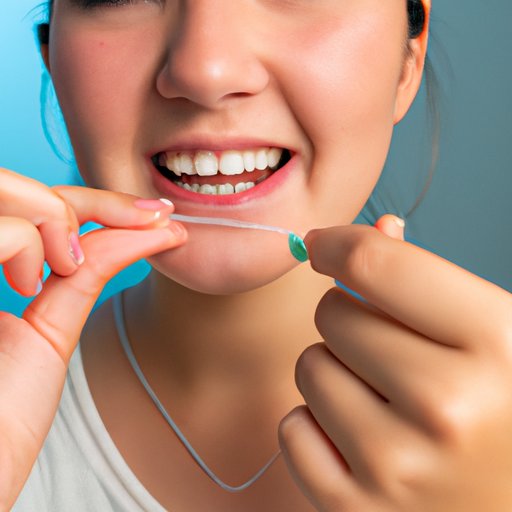
Flossing is an essential part of maintaining good oral health, but it can be tricky to know when to do it. Is it better to floss before or after brushing? This question has sparked a heated debate among dentists and oral health professionals, with both sides making compelling arguments for their preferred timing. In this article, we’ll explore the pros and cons of pre-brush and post-brush flossing, as well as what the research says about the most effective timing.
Comparing the Benefits of Flossing Before and After Brushing
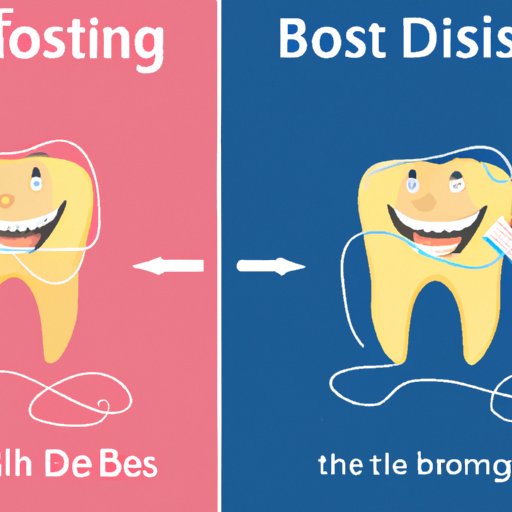
The debate over flossing before or after brushing hinges on the fact that each timing has its own unique benefits. Pre-brush flossing may be more effective at removing plaque and food particles, while post-brush flossing may help to increase the effectiveness of your toothpaste. Let’s explore the pros and cons of each timing.
Understanding the Different Benefits of Flossing Before and After Brushing
Many dentists recommend flossing before brushing, citing the potential for increased plaque removal. According to a study published in the Journal of Clinical Dentistry, pre-brush flossing “removes a greater amount of plaque than post-brushing flossing”. This is because the act of flossing loosens up plaque and food particles, making them easier to remove when you brush.
On the other hand, some dentists argue that post-brush flossing is more effective. They point to the fact that flossing after brushing allows the fluoride from your toothpaste to reach areas between your teeth that are otherwise inaccessible. This, they argue, increases the effectiveness of your toothpaste and helps to protect your teeth from decay.
Exploring the Pros and Cons of Each Timing
With both sides of the debate making compelling arguments, it can be difficult to know which timing is best. To make sense of the evidence, it’s important to consider the pros and cons of each timing.
Pre-brush flossing may be more effective at removing plaque, but it can also lead to excessive tooth wear if done too aggressively. Post-brush flossing, on the other hand, may not be as effective at removing plaque, but it does allow the fluoride from your toothpaste to reach those hard-to-reach areas between your teeth.
Exploring the Most Effective Timing for Flossing
Now that we’ve looked at the different benefits of pre-brush and post-brush flossing, let’s take a closer look at the evidence for each timing. What does the research say about the most effective timing for flossing?
Examining the Research on Pre-Brush Flossing
As we mentioned earlier, many dentists recommend flossing before brushing due to its potential for increased plaque removal. A study published in the Journal of Clinical Dentistry found that pre-brush flossing “removed significantly more plaque than post-brushing flossing”. The study also noted that pre-brush flossing was more effective at reducing gingivitis, a type of gum disease.
Other studies have also suggested that pre-brush flossing is more effective at preventing cavities. A 2017 study published in the International Journal of Dental Hygiene found that pre-brush flossing was associated with a lower risk of cavities compared to post-brush flossing.
Discussing the Benefits of Post-Brush Flossing
While pre-brush flossing may be more effective at removing plaque, post-brush flossing has its own unique benefits. By flossing after brushing, you allow the fluoride from your toothpaste to reach areas between your teeth that are otherwise inaccessible. This can help to reduce your risk of tooth decay.
In addition, post-brush flossing may be less likely to cause excessive tooth wear. Because the toothpaste has already been applied, there is less friction when you floss, which can reduce the potential for tooth abrasion.
The Debate Over Flossing Before or After Brushing
Despite the evidence for each timing, the debate over flossing before or after brushing continues. Unpacking the arguments on each side can help to shed light on the issue.
Unpacking the Arguments for Each Side
Proponents of pre-brush flossing argue that it is more effective at removing plaque and preventing cavities. They also point out that pre-brush flossing can help to reduce gingivitis, a type of gum disease.
Those who favor post-brush flossing, meanwhile, argue that it allows the fluoride from your toothpaste to reach areas between your teeth that are otherwise inaccessible. They also note that post-brush flossing is less likely to cause excessive tooth wear.
Looking at How Experts Weigh In
So what do experts have to say about the debate? Many dentists agree that both timings have their benefits and that either one can be effective for promoting oral health. As such, they recommend that individuals experiment with both timings and see which works best for them.
Dr. David Katz, director of the Yale University Prevention Research Center, agrees. “The truth is that either timing could be beneficial, depending on the individual,” he says. “My advice would be to try both and see which works best for you.”
How to Incorporate Flossing Into Your Oral Care Routine
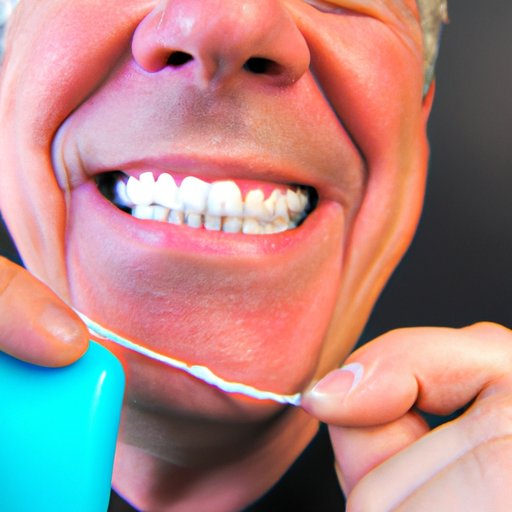
Whether you choose to floss before or after brushing, it’s important to incorporate flossing into your daily oral care routine. Here are some tips to help you get started:
Establishing a Flossing Schedule
The first step is to establish a regular flossing schedule. Aim to floss at least once per day, preferably after meals or before bed. If you’re not sure when to floss, talk to your dentist or hygienist for advice.
Choosing the Right Products for Flossing
It’s also important to choose the right products for flossing. Look for products that are gentle on your gums and easy to use. Waxed floss is often recommended, as it slides easily between your teeth without causing irritation.
When is the Best Time to Floss?
While the debate over flossing before or after brushing continues, the evidence suggests that both timings can be effective. To make the most of your flossing routine, it’s important to consider the pros and cons of each timing and decide which works best for you.
Examining the Evidence for Pre-Brush Flossing
Studies have shown that pre-brush flossing can be more effective at removing plaque and reducing gingivitis. It can also help to reduce your risk of cavities by making it easier for the fluoride from your toothpaste to reach hard-to-reach areas between your teeth.
Analyzing the Evidence for Post-Brush Flossing
Post-brush flossing may not be as effective at removing plaque, but it does allow the fluoride from your toothpaste to reach those hard-to-reach areas. It is also less likely to cause excessive tooth wear, as the toothpaste has already been applied.
Unpacking the Pros and Cons of Pre-Brush Flossing
To make sense of the evidence, it’s important to consider the pros and cons of pre-brush flossing. On the one hand, it can be more effective at removing plaque and reducing gingivitis. On the other hand, it can lead to excessive tooth wear if done too aggressively.
Assessing the Advantages and Disadvantages of Pre-Brush Flossing
When deciding whether pre-brush flossing is right for you, it’s important to assess the advantages and disadvantages. While it may be more effective at removing plaque, it can also lead to excessive tooth wear if done too aggressively. As such, it’s important to be mindful of how much pressure you apply when flossing.
Understanding the Potential Impact on Your Oral Health
It’s also important to consider the potential impact on your oral health. Studies have shown that pre-brush flossing can reduce plaque buildup and help to prevent cavities. However, it’s important to note that it may not be as effective for everyone and that post-brush flossing may be a better option for some.
The Benefits of Flossing Before or After Brushing: What the Research Says
So what does the research say about the benefits of flossing before or after brushing? While studies have suggested that pre-brush flossing may be more effective at removing plaque and preventing cavities, post-brush flossing has its own unique benefits. It allows the fluoride from your toothpaste to reach those hard-to-reach areas and is less likely to cause excessive tooth wear.
Ultimately, the debate over flossing before or after brushing is far from settled. While both timings have their benefits, it’s important to experiment with both and decide which works best for you. Talk to your dentist or hygienist for advice on how to incorporate flossing into your daily oral care routine.
Conclusion
Flossing is an essential part of maintaining good oral health, but it can be tricky to know when to do it. Is it better to floss before or after brushing? This question has sparked a heated debate among dentists and oral health professionals, with both sides making compelling arguments for their preferred timing. Through this article, we explored the pros and cons of pre-brush and post-brush flossing, as well as what the research says about the most effective timing for flossing.
Proponents of pre-brush flossing argue that it is more effective at removing plaque and preventing cavities. Those who favor post-brush flossing, meanwhile, argue that it allows the fluoride from your toothpaste to reach areas between your teeth that are otherwise inaccessible. Ultimately, many experts agree that both timings can be effective and recommend that individuals experiment with both to see which works best for them.
No matter which timing you choose, it’s important to incorporate flossing into your daily oral care routine. Establish a regular flossing schedule and choose products that are gentle on your gums and easy to use. With the right approach, you can keep your teeth healthy and strong for years to come.
(Note: Is this article not meeting your expectations? Do you have knowledge or insights to share? Unlock new opportunities and expand your reach by joining our authors team. Click Registration to join us and share your expertise with our readers.)