
Introduction
The relationship between menstrual cycles and ovulation can be confusing to understand. Women who are trying to conceive may want to know when they are most likely to be fertile following their period. This article will explore the relationship between menstrual cycles and ovulation, common questions about ovulation after a period, tips for tracking ovulation, and advice on preparing for pregnancy.
Exploring the Relationship Between Menstrual Cycles and Ovulation
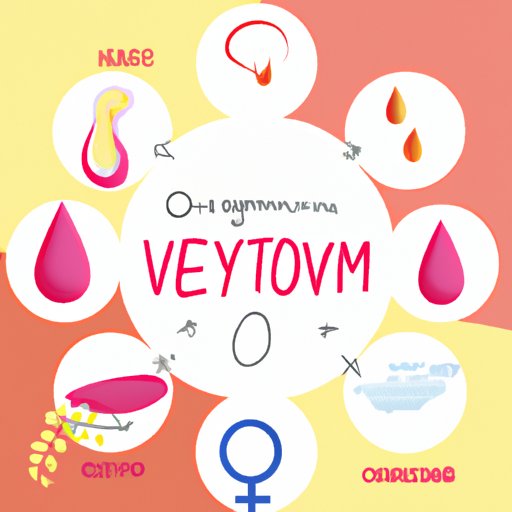
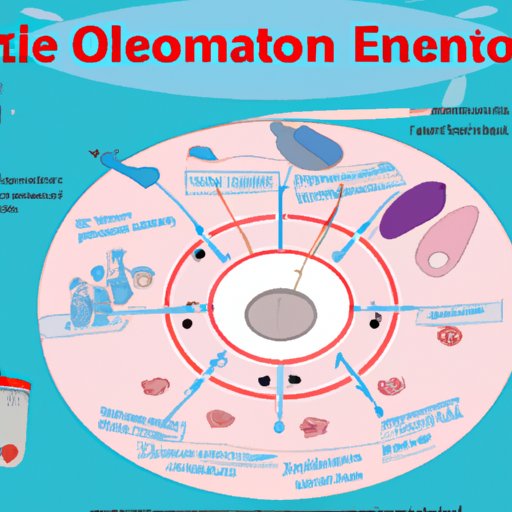
Menstrual cycles are regulated by hormones, which play an important role in determining when a woman is fertile. During each cycle, a woman’s body releases a surge of luteinizing hormone (LH), which triggers the release of an egg from the ovary. This process is known as ovulation, and it typically occurs around day 14 of a woman’s menstrual cycle.
Understanding the relationship between menstrual cycles and ovulation is important for those attempting to conceive. It is also helpful for those who wish to avoid pregnancy and use natural methods of contraception. By understanding the role of hormones in regulating ovulation, women can better predict when they are most likely to be fertile.

Common Questions About Ovulation After a Period
When trying to conceive, many women have questions about ovulation after a period. Some of the most common questions include:
- Can I get pregnant right after my period?
- How soon after my period can I ovulate?
- Is it possible to ovulate twice in one cycle?
- How long does ovulation last?
It is important to note that every woman’s body is different, and the timing of ovulation can vary from cycle to cycle. In general, ovulation usually occurs between 12 and 16 days before the start of a woman’s next period. While it is possible to get pregnant right after a period, the likelihood of conception is much lower during this time. Additionally, it is rare for a woman to ovulate twice in one cycle, and if it does occur, it is usually within 24 hours of the first ovulation.

Tips for Tracking Ovulation Following a Period
Tracking ovulation is an important part of preparing for pregnancy. There are several methods that can help women identify when they are most likely to be fertile. These methods include:
Keeping a Record of Menstrual Cycles
Keeping a record of menstrual cycles can help women identify patterns in their cycle length, as well as determine when they are likely to ovulate. This can be done by tracking the date of the first day of each period and noting any changes in flow or duration.
Using an Ovulation Calculator
Ovulation calculators are available online and can help women estimate when they are likely to be fertile. These calculators use the information provided about a woman’s cycle length and the date of her last period to estimate when she is likely to ovulate.
Checking for Signs of Ovulation
In addition to tracking menstrual cycles and using an ovulation calculator, women can also look for physical signs of ovulation. Common signs of ovulation include an increase in cervical mucus, breast tenderness, and mild cramping. Monitoring these symptoms can help women identify when they are most likely to be fertile.
Preparing for Pregnancy: The Impact of Ovulation After a Period
Once a woman has identified when she is likely to be fertile, she can begin preparing for pregnancy. Understanding the concept of a fertility window is important for those attempting to conceive. A fertility window is the period of time during which a woman is most likely to become pregnant. For most women, the fertility window is typically five to six days long and occurs around the time of ovulation.
Timing intercourse correctly is essential for those attempting to conceive. To maximize the chances of conception, couples should aim to have sex during the fertility window. Additionally, couples should avoid having unprotected sex too often, as this can reduce the chances of conception.
For those who are having difficulty conceiving, seeking professional guidance is recommended. Fertility clinics can provide personalized advice and treatments to those who are struggling to conceive.
Conclusion
Understanding the relationship between menstrual cycles and ovulation is important for those attempting to conceive. By tracking menstrual cycles and looking for signs of ovulation, women can better predict when they are most likely to be fertile. Additionally, by understanding the concept of a fertility window and timing intercourse accordingly, couples can increase their chances of becoming pregnant.
For more information on ovulation and fertility, please consult the resources listed below.
Resources for Further Information
- American College of Obstetricians and Gynecologists: Fertility Awareness and Natural Family Planning
- WebMD: Ovulation Calculator
-
(Note: Is this article not meeting your expectations? Do you have knowledge or insights to share? Unlock new opportunities and expand your reach by joining our authors team. Click Registration to join us and share your expertise with our readers.)