

Introduction
When someone is feeling under the weather, the first question that often comes to mind is “Am I contagious?” Contagiousness is defined as the ability to pass an infectious disease from one person to another. While many people associate being contagious with having a fever, there are actually several illnesses that can be spread without a fever.

Exploring the Contagious Nature of Illnesses Without a Fever
When it comes to being contagious without a fever, understanding the symptoms and risks associated is key. Generally, if you are experiencing signs of illness such as coughing, sneezing, or vomiting, you have an increased risk of spreading germs even without a fever. Additionally, certain viruses and bacteria can be contagious for several days before any symptoms appear. This means that it is important to practice good hygiene habits and take other preventative measures, even when you are feeling well.
It is also important to understand how diseases can spread without a fever. When someone with an infection coughs, sneezes, or talks, they emit tiny droplets known as aerosols. These aerosols contain the virus and can be inhaled by other people if they come into contact with them. In some cases, the virus can survive outside of the body and be transmitted through contact with contaminated surfaces.
Common Illnesses that are Contagious without a Fever
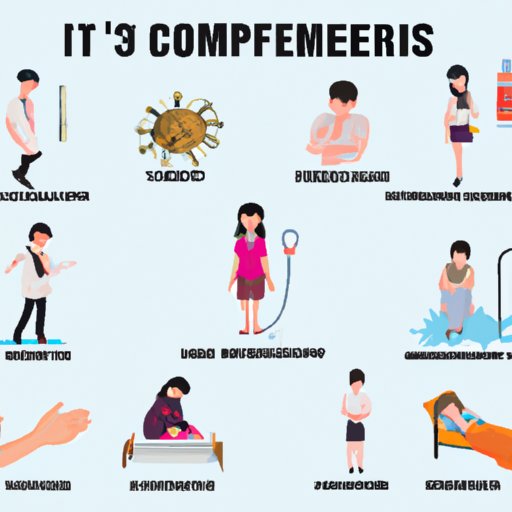
There are several types of illnesses that can be spread without a fever. These include bacterial infections such as strep throat and ear infections, as well as viral illnesses like the common cold and influenza. Some sexually transmitted infections, such as gonorrhea and chlamydia, can also be contagious without a fever.
In order to prevent the spread of these illnesses, it is important to understand how they are transmitted. Strep throat and ear infections are usually spread through close contact with an infected person, such as sharing food or drinks. The common cold and influenza are typically spread through the air via aerosols, while sexually transmitted infections can be spread through sexual contact.
Preventing the Spread of Illness Without a Fever
Luckily, there are several ways to help prevent the spread of illness without a fever. Practicing good hygiene is essential in preventing the spread of germs. This includes washing your hands frequently with soap and water for at least 20 seconds, avoiding touching your face, and covering your mouth and nose when coughing or sneezing. It is also important to stay up to date on vaccinations, as this can help protect you from certain illnesses.
In addition to practicing good hygiene, social distancing is also important in preventing the spread of illnesses. This involves avoiding large crowds, keeping a physical distance of at least six feet from others, and wearing a mask when in public. If you are feeling unwell, it is best to stay home and avoid contact with others.
Exploring Treatments for Illnesses that are Contagious without a Fever
The treatment for illnesses that are contagious without a fever will depend on the type of infection. For bacterial infections, antibiotics may be prescribed to help clear the infection. Over-the-counter medications such as ibuprofen or acetaminophen can also help reduce fever and discomfort. For viral illnesses, there is no specific treatment, but rest and fluids can help relieve symptoms.
Home remedies can also be used to help treat illnesses that are contagious without a fever. Drinking warm liquids such as tea or broth can help soothe a sore throat and reduce congestion. Gargling with salt water can also help alleviate throat pain. Honey is also thought to be beneficial for reducing coughing and soothing sore throats.
Conclusion
Contagiousness does not always require a fever. There are many illnesses that can be spread without a fever, including bacterial and viral infections. It is important to understand the symptoms and risks associated with being contagious without a fever, as well as how these illnesses can spread. Preventive measures such as good hygiene practices and social distancing can help reduce the spread of these illnesses. Treatment options vary depending on the type of infection, but can include antibiotics, over-the-counter medications, and home remedies.
(Note: Is this article not meeting your expectations? Do you have knowledge or insights to share? Unlock new opportunities and expand your reach by joining our authors team. Click Registration to join us and share your expertise with our readers.)