
Introduction
Global warming is a phenomenon caused by an increase of greenhouse gases, such as carbon dioxide (CO2), in the atmosphere. This causes the Earth’s temperature to rise, leading to a variety of environmental problems, such as extreme weather events, rising sea levels, and species extinction. It is one of the most pressing challenges facing humanity today, and it is essential that we find ways to mitigate its effects.
In this article, we will explore the potential technological solutions to stop global warming. We will look at the potential of renewable energy sources, development of cleaner technologies for fossil fuel use, increasing efficiency in agriculture, industry and transportation, reducing carbon emissions through carbon capture and storage, investing in climate-friendly infrastructure, and enhancing carbon sequestration in forests and oceans.
The goal of this article is to provide an overview of the various technological solutions available to us in order to help reduce the effects of global warming. By understanding the potential solutions, we can make informed decisions about how best to tackle this problem.
Exploring the Potential of Renewable Energy Sources
One of the most important steps we can take towards mitigating global warming is to shift away from traditional fossil fuels and towards renewable energy sources. Renewable energy sources, such as solar power, wind power, geothermal energy and hydropower, are clean and inexhaustible sources of energy which do not produce any greenhouse gas emissions.
Solar Power: Solar power is one of the fastest growing sources of renewable energy. Solar panels are used to collect and convert sunlight into electricity, which can then be used to power homes and businesses. Solar power is a clean, renewable source of energy which does not produce any greenhouse gas emissions.
Wind Power: Wind power is another renewable energy source which is becoming increasingly popular. Wind turbines are used to collect the kinetic energy from the wind and convert it into electricity. Wind power is a clean, renewable source of energy which does not produce any greenhouse gas emissions.
Geothermal Energy: Geothermal energy is a form of energy which is produced by harnessing the heat from within the Earth. Geothermal power plants use the heat from underground reservoirs of hot water to generate electricity. Geothermal energy is a clean, renewable source of energy which does not produce any greenhouse gas emissions.
Hydropower: Hydropower is a form of energy which is produced by harnessing the energy of flowing water. Hydropower plants use the kinetic energy of moving water to generate electricity. Hydropower is a clean, renewable source of energy which does not produce any greenhouse gas emissions.
Developing Cleaner Technologies for Fossil Fuel Use
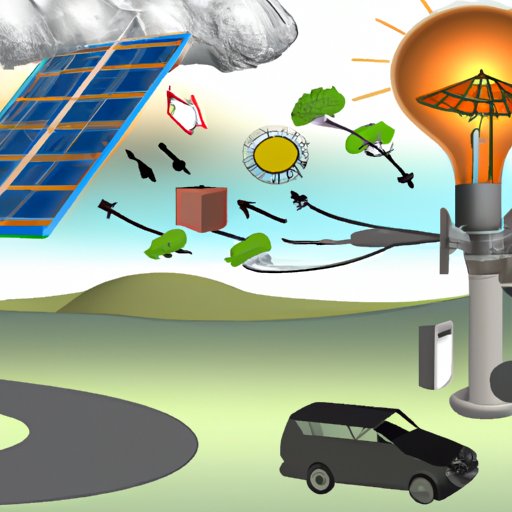
Fossil fuels, such as coal, oil and natural gas, are still the primary source of energy in many countries around the world. Although these fuels are necessary to meet our energy needs, they also produce large amounts of greenhouse gas emissions. In order to reduce emissions from fossil fuel use, we must develop cleaner technologies for their use.
Carbon Capture and Storage (CCS): Carbon capture and storage (CCS) is a technology which captures CO2 emissions from power plants and other sources and stores them underground. CCS is a promising technology which could potentially reduce CO2 emissions from fossil fuel use by up to 90%.
Carbon Dioxide Removal (CDR): Carbon dioxide removal (CDR) is a technology which removes CO2 directly from the atmosphere and stores it underground. CDR is an emerging technology which could potentially reduce atmospheric CO2 levels if it is implemented on a large scale.
Improved Efficiency in Combustion Engines: Improving the efficiency of combustion engines is another way to reduce emissions from fossil fuel use. By making engines more efficient, we can reduce the amount of fuel needed to power them, resulting in fewer emissions.
Increasing Efficiency in Agriculture, Industry and Transportation
Agriculture, industry and transportation are all major contributors to global warming. In order to reduce emissions from these sectors, we must focus on increasing efficiency and utilizing renewable energy sources wherever possible.
Utilizing Renewable Energy Sources: Utilizing renewable energy sources, such as solar power, wind power and hydropower, is a great way to reduce emissions from these sectors. By replacing traditional fossil fuels with renewable energy sources, we can reduce emissions while still meeting our energy needs.
More Efficient Manufacturing Processes: In order to reduce emissions from industry, we must focus on improving the efficiency of manufacturing processes. By using more efficient processes, we can reduce the amount of energy needed to produce goods, resulting in fewer emissions.
Improving Efficiency in Transportation: Improving the efficiency of transportation is another way to reduce emissions from this sector. By using more efficient vehicles, such as electric cars, and investing in mass transit systems, we can reduce emissions while still meeting our transportation needs.
Reducing Carbon Emissions Through Carbon Capture and Storage
Carbon capture and storage (CCS) is a technology which captures CO2 emissions from power plants and other sources and stores them underground. This technology has the potential to significantly reduce CO2 emissions from fossil fuel use, but it is currently not widely implemented.
Implementing Carbon Capture and Storage (CCS) Technology: In order to reduce emissions from fossil fuel use, we must focus on implementing CCS technology. Governments and businesses must invest in CCS projects in order to make them viable and cost-effective.
Creating Incentives for Carbon Capture and Storage Projects: Governments and businesses must also create incentives for CCS projects in order to encourage their implementation. These incentives could include tax credits for businesses which invest in CCS projects, or subsidies for individuals who install CCS systems in their homes.
Investing in Climate-Friendly Infrastructure
Investing in climate-friendly infrastructure is another important step towards mitigating global warming. By investing in infrastructure which reduces emissions, we can reduce our overall emissions while still meeting our energy needs.
Building Climate-Friendly Buildings: Building climate-friendly buildings is a great way to reduce emissions from the built environment. By using more efficient materials and designs, we can reduce the amount of energy needed to heat and cool buildings, resulting in fewer emissions.
Investing in Mass Transit Systems: Investing in mass transit systems is another way to reduce emissions from transportation. By shifting away from individual car ownership and towards public transportation, we can reduce emissions while still meeting our transportation needs.
Installing Smart Grid Technology: Installing smart grid technology is another way to reduce emissions from electricity production. Smart grids optimize the distribution of electricity, allowing us to reduce the amount of energy wasted, resulting in fewer emissions.
Enhancing Carbon Sequestration in Forests and Oceans
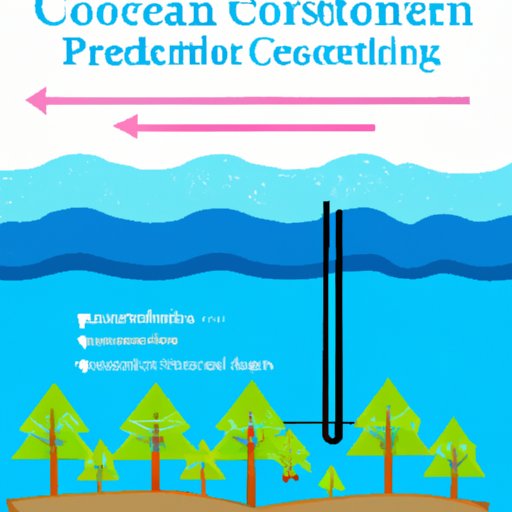
Forests and oceans are both important carbon sinks, meaning they absorb and store large amounts of carbon dioxide from the atmosphere. Enhancing carbon sequestration in these ecosystems is an important step towards mitigating global warming.
Reforestation Programs: Reforestation programs are a great way to enhance carbon sequestration in forests. By planting trees, we can increase the amount of carbon dioxide stored in forests, resulting in fewer emissions.
Ocean Fertilization: Ocean fertilization is a technique which involves adding nutrients to the ocean in order to stimulate the growth of phytoplankton. Phytoplankton absorb large amounts of CO2 from the atmosphere, resulting in fewer emissions.
Managing Fisheries to Improve Carbon Sequestration: Managing fisheries is another way to enhance carbon sequestration in oceans. By managing fisheries sustainably, we can reduce overfishing, which can lead to increased carbon sequestration in the ocean.
Conclusion
Global warming is one of the most pressing challenges facing humanity today, and it is essential that we find ways to mitigate its effects. In this article, we have explored the potential technological solutions to stop global warming, including renewable energy sources, cleaner technologies for fossil fuel use, increasing efficiency in agriculture, industry and transportation, reducing carbon emissions through carbon capture and storage, investing in climate-friendly infrastructure, and enhancing carbon sequestration in forests and oceans.
We must take action now in order to reduce the effects of global warming. By utilizing the technological solutions discussed in this article, we can work towards a future with a healthier planet and a brighter future for all.
(Note: Is this article not meeting your expectations? Do you have knowledge or insights to share? Unlock new opportunities and expand your reach by joining our authors team. Click Registration to join us and share your expertise with our readers.)