
Introduction
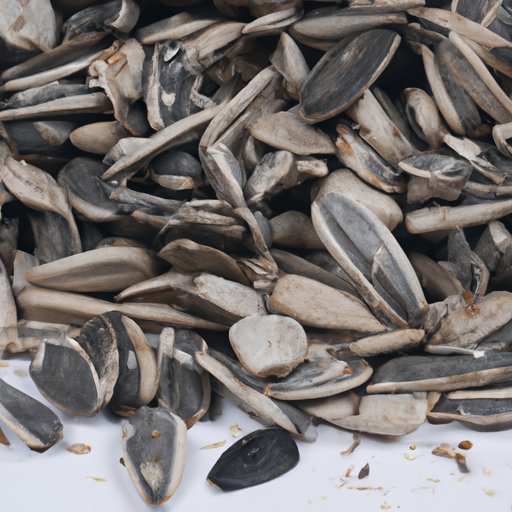
Sunflower seeds are a popular snack around the world. They come from the sunflower plant, a tall annual plant that produces large yellow flowers. The edible seeds grow in clusters at the center of the flower and can be eaten raw or roasted. Sunflower seeds are often used for cooking, baking, and brewing drinks. They are also a key ingredient in many products, such as granola bars, trail mix, and salad dressings.
Sunflower seeds are often praised for their health benefits, which include improved heart health, bone health, and overall nutrition. However, many people wonder if they are actually bad for you. In this article, we will explore the potential health benefits and risks of sunflower seeds, as well as other important considerations when it comes to eating them.

Examining the Health Benefits of Sunflower Seeds
Sunflower seeds offer a range of health benefits, thanks to their nutritional content. They are an excellent source of protein, fiber, and essential vitamins and minerals. Studies have shown that regular consumption of sunflower seeds can help improve heart health, reduce inflammation, and protect against certain types of cancer. Here’s a closer look at some of the benefits of eating sunflower seeds.
Nutritional Value
Sunflower seeds are packed with nutrients. One ounce (28 grams) of sunflower seeds contains about:
- Calories: 164
- Protein: 5.7 grams
- Fiber: 2.6 grams
- Vitamin E: 37% of the Daily Value (DV)
- Copper: 24% of the DV
- Manganese: 22% of the DV
- Magnesium: 19% of the DV
- Phosphorus: 18% of the DV
- Selenium: 15% of the DV
Sunflower seeds are also a good source of vitamin B6, thiamin, folate, iron, and zinc.
Heart Health Benefits
A 2017 study published in the journal Nutrients found that adding sunflower seeds to the diet can help lower cholesterol levels. Sunflower seeds are rich in polyunsaturated fatty acids, which can reduce bad LDL cholesterol while increasing good HDL cholesterol. This helps reduce the risk of heart disease.
In addition, sunflower seeds are high in antioxidants, which can help protect the body from oxidative damage. This is thought to be one of the ways that sunflower seeds may help reduce the risk of heart disease.
Bone Health Benefits
Sunflower seeds are also high in calcium, magnesium, and phosphorus, which are essential for strong bones. A 2018 study published in the journal Nutrients found that regular consumption of sunflower seeds could help prevent bone loss and reduce the risk of osteoporosis.

An Overview of Sunflower Seeds Nutrition
Sunflower seeds are an excellent source of macronutrients, vitamins, and minerals. Here’s an overview of their nutritional content.
Macronutrients
One ounce (28 grams) of sunflower seeds contains about:
- Carbohydrates: 6.5 grams
- Fat: 14 grams
Vitamins and Minerals
Sunflower seeds are a good source of several essential vitamins and minerals, including vitamin E, copper, manganese, magnesium, phosphorus, selenium, and zinc.
Antioxidants
Sunflower seeds are a rich source of antioxidants, which can help protect the body from oxidative damage. These include Vitamin E and phenolic compounds, such as caffeic acid.
Are Sunflower Seeds Fattening?
Sunflower seeds are relatively high in calories, with 164 calories per ounce (28 grams). However, most of these calories come from healthy fats, which can help keep you full and satisfied.
Calories in Sunflower Seeds
One ounce (28 grams) of sunflower seeds contains 164 calories. This is equivalent to about two tablespoons.
Fat Content
Sunflower seeds are high in fat, with 14 grams per ounce (28 grams). Most of this fat is polyunsaturated fatty acids, which are considered healthy fats. Polyunsaturated fats can help lower cholesterol levels and reduce the risk of heart disease.
Is Eating Too Many Sunflower Seeds Bad for You?
Although sunflower seeds offer a range of health benefits, there are some potential risks associated with eating too many. Here’s a look at some of the possible side effects of eating too many sunflower seeds.
Possible Side Effects
Eating too many sunflower seeds can lead to digestive issues, such as bloating and gas. Sunflower seeds are also high in calories, so eating too many can cause weight gain.
Choking Hazard
Sunflower seeds can also be a choking hazard, especially for young children. It’s important to be mindful of this when feeding sunflower seeds to children.
Exploring the Pros and Cons of Eating Sunflower Seeds
Sunflower seeds offer a range of health benefits, but there are also potential risks associated with eating them. Here’s a quick overview of the pros and cons of eating sunflower seeds.
Pros
Sunflower seeds are an excellent source of protein, fiber, and essential vitamins and minerals. They can also help lower cholesterol levels, reduce inflammation, and protect against certain types of cancer. Sunflower seeds are also a tasty and convenient snack option.
Cons
Sunflower seeds are high in calories and fat, so eating too many can lead to weight gain. They can also be a choking hazard and may cause digestive issues in some people. Sunflower seeds may also contain high levels of sodium and potential allergens.

The Potential Dangers of Roasted Sunflower Seeds
Roasted sunflower seeds are often flavored with salt or sugar, making them a popular snack. However, they can be high in sodium, which can increase your risk of high blood pressure and other health problems. It’s important to read the nutrition label before purchasing roasted sunflower seeds.
In addition, some brands of roasted sunflower seeds may contain potential allergens, such as milk, wheat, soy, and tree nuts. Be sure to read the ingredients list carefully if you have any food allergies.
Sunflower Seeds: A Healthy Snack Option?
Sunflower seeds can be a healthy snack option, but it’s important to eat them in moderation. Eating too many can lead to weight gain and other health problems. It’s also important to be aware of the potential choking hazard and potential allergens in some brands of roasted sunflower seeds.
If you’re looking for a healthy snack option, there are plenty of alternatives to sunflower seeds. Nuts, seeds, dried fruit, and whole grain crackers are all great options. You can also try making your own trail mix with a combination of nuts, seeds, dried fruit, and dark chocolate chips.
Conclusion
Sunflower seeds offer a range of health benefits, including improved heart health, bone health, and overall nutrition. They are also a tasty and convenient snack option. However, it’s important to eat them in moderation, as eating too many can lead to weight gain and other health problems.
Overall, sunflower seeds can be a healthy snack option when eaten in moderation. Be sure to read the nutrition label before purchasing roasted sunflower seeds, and look out for potential allergens. If you’re looking for a healthy snack alternative, there are plenty of options, including nuts, seeds, dried fruit, and whole grain crackers.
(Note: Is this article not meeting your expectations? Do you have knowledge or insights to share? Unlock new opportunities and expand your reach by joining our authors team. Click Registration to join us and share your expertise with our readers.)