
Introduction
Cultural appropriation is a complex issue that has been the subject of much discussion in recent years. At its core, it refers to the adoption of elements from one culture by another without permission or recognition of the originating culture. This can range from fashion to food, music, and even artwork.
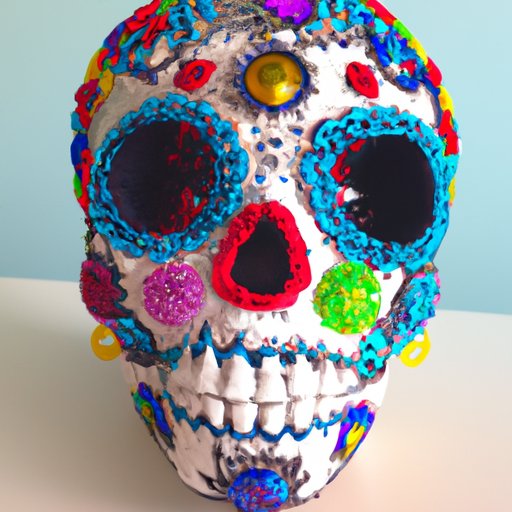
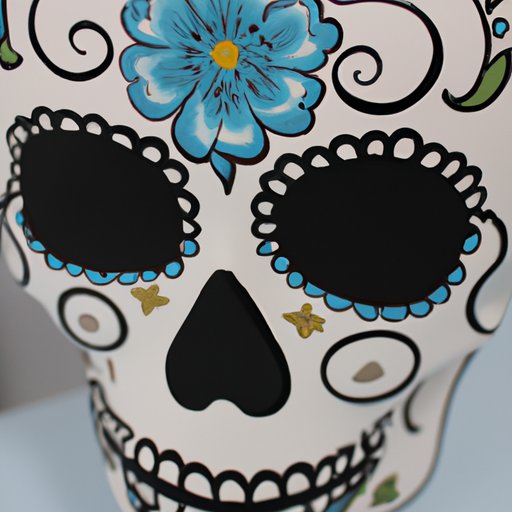
One topic that has come up frequently in the debate over cultural appropriation is the use of sugar skulls. Popularized by the Mexican holiday ‘Día de los Muertos’ (Day of the Dead), sugar skulls are decorative skulls made out of sugar, often decorated with bright colors and designs. The debate surrounding sugar skulls centers around whether or not they should be considered cultural appropriation.
Exploring the Debate: Are Sugar Skulls Cultural Appropriation?
The debate surrounding sugar skulls is often heated, as both sides have strong opinions about the issue. On one side, there are those who believe that sugar skulls are a form of cultural appropriation, as they have been taken from Mexican culture and used in a way that does not recognize or respect its origin. On the other side, there are those who argue that sugar skulls are simply a popular decoration that has been embraced by people of all cultures, and therefore should not be labeled as cultural appropriation.
Examining the Controversy
The controversy surrounding sugar skulls stems from the fact that many believe the use of them by non-Mexican cultures is disrespectful to Mexican culture and its traditions. For example, some argue that using sugar skulls outside of the Day of the Dead celebrations is an act of cultural appropriation, as it takes away the meaning behind the skulls and reduces them to a mere decoration. Additionally, some point to the commercialization of sugar skulls as evidence of cultural appropriation, as they are now available in stores across the world.
Investigating the Impact of Sugar Skulls on Mexican Culture
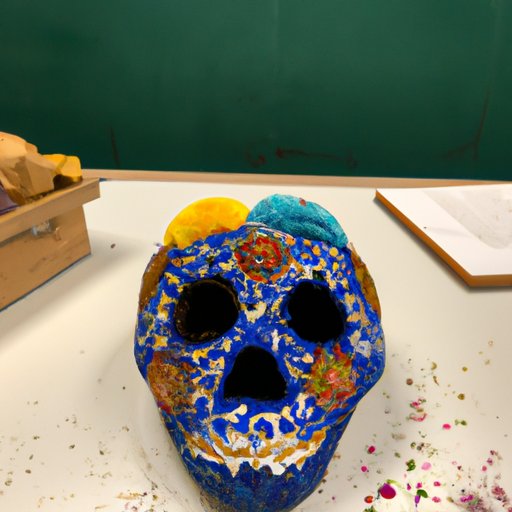
It is important to consider the impact that sugar skulls have had on Mexican culture. While the use of sugar skulls has become more widespread in recent years, they remain an important part of the Day of the Dead celebrations in Mexico. They are often used to honor deceased loved ones and bring joy to the festivities. Therefore, some argue that the commercialization of sugar skulls has taken away from the traditional meaning of the skulls and has resulted in their being seen as nothing more than decorations.
Examining How Sugar Skulls Have Evolved Over Time
As sugar skulls have become more popular in recent years, they have also changed and evolved. While traditionally they were made out of sugar, today they are often made out of clay or plastic and decorated with glitter, beads, and other embellishments. Additionally, sugar skulls have become more widely used in art, such as in paintings, sculptures, and jewelry. There are both pros and cons to this evolution of sugar skulls.
The Pros and Cons of Using Sugar Skulls in Art
On the one hand, the use of sugar skulls in art has allowed for greater representation of Mexican culture in the art world. This can be beneficial in terms of bringing more awareness to Mexican culture and its traditions. On the other hand, some argue that this commercialization of sugar skulls has led to their being seen as nothing more than decorations, rather than meaningful symbols of Mexican culture.
Analyzing the Representation of Sugar Skulls in Pop Culture
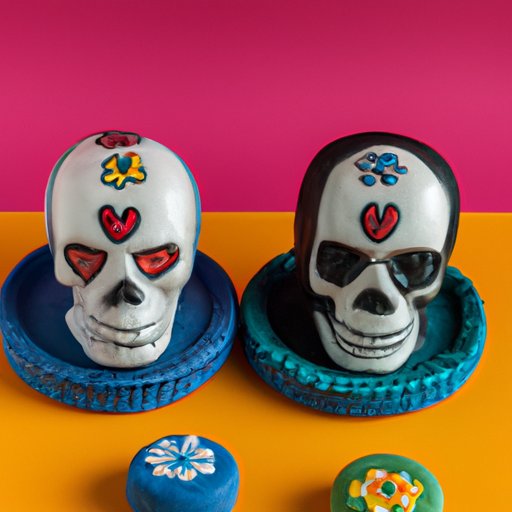
In recent years, sugar skulls have become increasingly popular in pop culture. They are featured in films, television shows, video games, and even fashion. While some view this increased representation of sugar skulls as positive, others argue that it perpetuates the idea that they are nothing more than decorations and do not hold any real meaning. Additionally, some believe that it contributes to the cultural appropriation of sugar skulls.
Comparing the Meaning of Sugar Skulls in Mexico to Other Countries
It is also important to consider how the meaning of sugar skulls differs in Mexico compared to other countries. In Mexico, the skulls are often associated with honoring the dead and celebrating life. However, in other countries, the meaning of sugar skulls may be quite different. For example, in the United States, sugar skulls are often seen as a symbol of Halloween, rather than a symbol of remembrance and celebration.
Examining the Different Interpretations of Sugar Skulls
Given the different interpretations of sugar skulls in different countries, it is important to consider how this affects the debate surrounding their potential cultural appropriation. While some argue that the use of sugar skulls in other countries is a form of cultural appropriation, others argue that the different interpretations of the skulls in different countries make it difficult to label them as such. Ultimately, it is up to each individual to decide how they feel about the use of sugar skulls in other countries.
Exploring the Global Perception of Sugar Skulls
Finally, it is important to consider the global perception of sugar skulls. While the skulls are often seen as a symbol of Mexican culture, they are becoming increasingly popular in other parts of the world. This could potentially lead to further cultural appropriation, as the skulls could become seen as a generic decoration rather than a meaningful symbol of Mexican culture.
Conclusion
The debate surrounding sugar skulls and their potential cultural appropriation is complex and ongoing. While some argue that using sugar skulls outside of the Day of the Dead celebrations is disrespectful to Mexican culture and its traditions, others argue that the skulls have been embraced by people of all cultures and should not be labeled as cultural appropriation. Ultimately, it is up to each individual to decide where they stand on the issue.
It is also important to remember that the meaning of sugar skulls varies from country to country, and that the global perception of them is constantly changing. Therefore, it is important to be mindful of the potential implications of using sugar skulls in art and pop culture, and to be aware of the potential for further cultural appropriation.
In conclusion, the debate surrounding sugar skulls and their potential cultural appropriation is ongoing, and it is up to each individual to decide where they stand on the issue. Ultimately, it is important to be aware of the potential implications of using sugar skulls in art and pop culture, and to be mindful of the different interpretations of the skulls in different countries.
(Note: Is this article not meeting your expectations? Do you have knowledge or insights to share? Unlock new opportunities and expand your reach by joining our authors team. Click Registration to join us and share your expertise with our readers.)