
Introduction
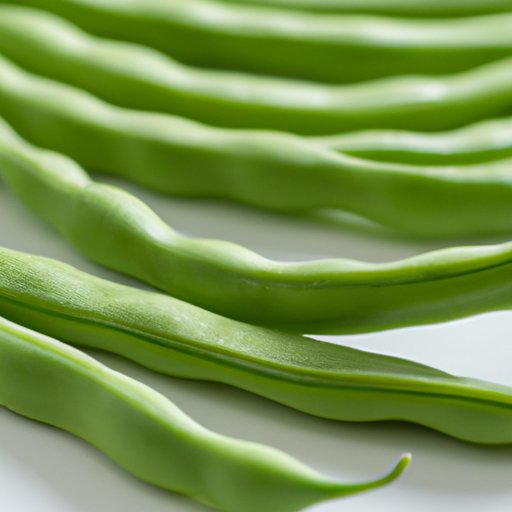
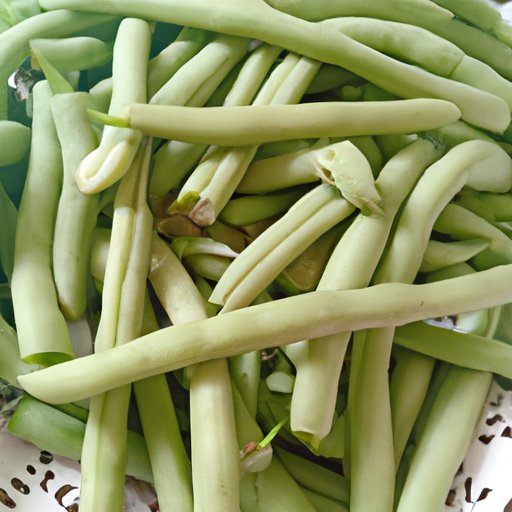
String beans are a popular vegetable that has been enjoyed by people around the world for centuries. Also known as green beans, snap beans, or French beans, these vegetables are packed with nutrients and can be used in a variety of dishes. This article will explore the nutritional value of string beans and the health benefits they provide, as well as potential drawbacks.
Nutritional Benefits of Eating String Beans
String beans are a great source of macronutrients. They contain carbohydrates, protein, and fat, as well as dietary fiber. One cup of cooked string beans contains 6.6 grams of carbohydrates, 2.4 grams of protein, and 0.2 grams of fat. It also provides 2.7 grams of dietary fiber.
String beans are also a good source of vitamins and minerals. They contain vitamin A, B vitamins, vitamin C, and vitamin K. In addition, they provide important minerals such as calcium, magnesium, potassium, and iron. String beans are also a source of other essential nutrients such as folate, zinc, and phosphorus.
How String Beans Impact Your Health
Eating string beans can have positive impacts on your health. Studies have shown that consuming string beans can help lower cholesterol levels, maintain a healthy weight, and reduce the risk of certain diseases. Here are some of the ways that string beans can benefit your health:
- Lowering cholesterol levels: String beans are high in soluble fiber, which helps reduce bad cholesterol levels in the body. Studies have shown that eating string beans regularly can significantly reduce LDL cholesterol levels.
- Maintaining a healthy weight: String beans are low in calories and high in fiber, making them a great food for weight loss. Eating string beans can help you feel full for longer, which can prevent overeating and help you maintain a healthy weight.
- Reducing the risk of certain diseases: Eating string beans regularly can reduce your risk of developing chronic illnesses such as heart disease, diabetes, and cancer. The antioxidants found in string beans can help protect your body from damage caused by free radicals.
Exploring the Health Benefits of String Beans
In addition to the health benefits mentioned above, string beans have many other benefits. Here are some of the ways that eating string beans can benefit your health:
- Increasing fiber intake: String beans are a good source of dietary fiber, which is essential for maintaining gut health. Eating string beans can help increase your daily fiber intake, which can help keep your digestive system running smoothly.
- Enhancing digestive health: The dietary fiber in string beans can help improve digestion and reduce constipation. It can also help increase the amount of beneficial bacteria in your gut, which can further improve your digestive health.
- Managing blood sugar levels: Eating string beans can help regulate your blood sugar levels. The fiber in string beans can slow down the absorption of glucose into your bloodstream, helping to keep your blood sugar levels stable.

The Pros and Cons of Eating String Beans
Like all foods, string beans have both pros and cons. Here are some of the benefits and drawbacks of eating string beans:
Pros
- High in fiber, vitamins, and minerals.
- Low in calories and fat.
- Helps lower cholesterol levels and maintain a healthy weight.
- Can reduce the risk of certain diseases.
- Can help manage blood sugar levels.
Cons
- May cause gas and bloating in some people.
- May cause an allergic reaction in some people.
- Can be difficult to digest if not cooked properly.

A Comprehensive Guide to the Health Benefits of String Beans
String beans come in many different varieties, each with its own unique health benefits. Here is a comprehensive guide to the health benefits of each type:
Green Beans
- High in antioxidants, which can help protect against cell damage.
- Rich in vitamin C, which can help boost immunity.
- Contain lutein and zeaxanthin, which can help protect against eye diseases.
Wax Beans
- High in beta carotene, which can help protect skin from sun damage.
- Rich in folate, which can help reduce the risk of birth defects.
- Contain magnesium, which can help reduce stress and improve sleep.
Purple Beans
- High in anthocyanins, which can help reduce inflammation.
- Rich in vitamin K, which can help promote bone health.
- Contain iron, which can help prevent anemia.
Yellow Beans
- High in carotenoids, which can help reduce the risk of certain cancers.
- Rich in vitamin A, which can help improve vision.
- Contain manganese, which can help support nerve and brain function.
Are String Beans Good for You? An Evidence-Based Overview
String beans are an excellent source of nutrition and offer numerous health benefits. They are low in calories and fat, but high in fiber, vitamins, and minerals. Eating string beans can help lower cholesterol levels, maintain a healthy weight, and reduce the risk of certain diseases. The antioxidants in string beans can help protect your body from damage caused by free radicals. Each type of string bean offers its own unique health benefits, so it’s important to choose the right type for your needs.
Conclusion
String beans are a nutritious and versatile vegetable that can be enjoyed in a variety of dishes. They are low in calories and fat, but high in fiber, vitamins, and minerals. Eating string beans can help lower cholesterol levels, maintain a healthy weight, and reduce the risk of certain diseases. Different types of string beans offer their own unique health benefits, so it’s important to choose the right type for your needs. Overall, string beans are a nutritious and delicious choice for any meal.
(Note: Is this article not meeting your expectations? Do you have knowledge or insights to share? Unlock new opportunities and expand your reach by joining our authors team. Click Registration to join us and share your expertise with our readers.)